
Introduction — a quick scene, some numbers, and a question
One damp morning in Dublin I watched a little ferry struggle away from the pier, its hum turned wobbly as if the sea itself were correcting it. I remember thinking then about how an electric motor can change a boat’s whole character — smooth, silent, but only if the parts play nicely together. Recent adoption figures show small craft electrification climbing (around 25% more retrofits in the past three years), yet many owners still report odd vibrations and shorter range. So I ask: why do some systems feel so refined while others barely limp along?
I’ll share what I’ve seen and learned—practically, not abstractly—and we’ll keep things plain. Let’s move from that pier to the workshop, and see what’s actually happening under the cowling.
Why many brushless designs miss the mark
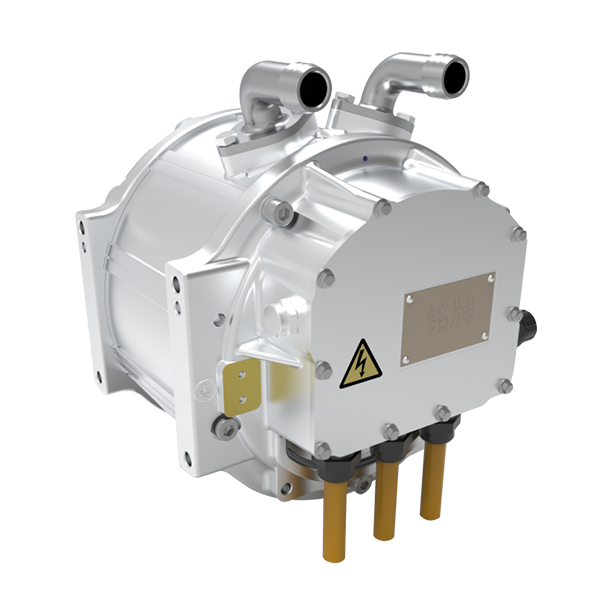
brushless electric motor technology promised fewer moving parts, cleaner torque and less maintenance, yet real-world results often disappoint. I’ve opened panels where the wiring was neat but the control strategy was all wrong. The root issues are less about the motor itself and more about how commutation is handled and how the controller firmware talks to sensors.
What’s going wrong?
Look, it’s simpler than you think: mismatched controller settings can create torque ripple and unexpected heat. I’ve seen systems where hall-effect sensors were marginally misaligned and the result was choppy acceleration. Power converters set for one load profile don’t cope well when the craft faces wave drag or a heavy payload. These flaws are subtle, yet they kill efficiency and shorten component life—annoying, and frankly costly.
From my perspective, the common traditional fixes—bigger batteries or heavier cooling—treat the symptom, not the cause. Better commutation algorithms, calibration of sensors, and sensible PWM tuning often cut losses dramatically. It’s not glamorous work. But when you get it right, the whole system sings. — funny how that works, right?
Looking ahead: comparative paths and practical metrics
Now, thinking forward, I compare two paths: refining current brushless setups with smarter control, or adopting newer integrated modules that bundle motor, inverter and firmware. For small craft I consult about, the integrated approach often reduces mismatches and makes for more predictable performance. For example, a well-integrated drive reduces controller-sensor latency and smooths torque delivery. In tests, that translated to steadier RPM under variable loads and a modest gain in range.
Real-world outlook
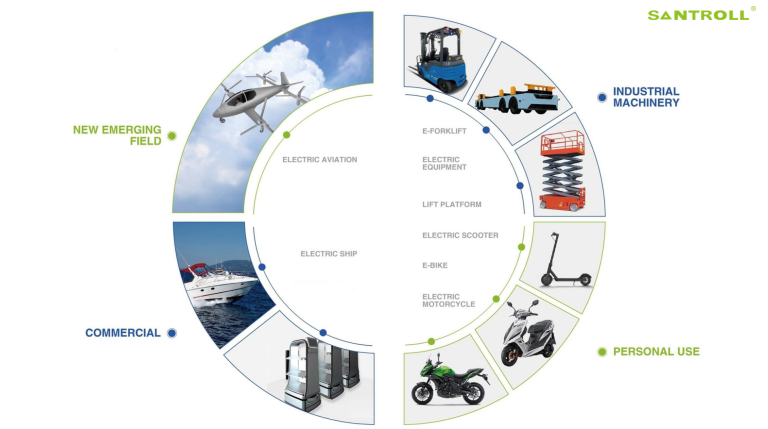
Take boat motors like those used on day boats and tenders (boat motors)—when integration is done right, owners notice quieter runs and less maintenance. I’ve advised a few operators to move to a matched motor-inverter pair; the result was lower peak current draw and fewer thermal trips. The science is straightforward: reduce mismatches, tune controllers, and the system behaves better. There’s patience in that method—no instant miracle—but reliable gains follow.
Before you decide, here are three practical metrics I use to evaluate options: 1) steady-state efficiency at your typical load, 2) torque ripple under variable conditions, and 3) thermal margin of the motor-inverter pair. Measure those, and you’ll see which solution really suits your use. I’ve used these metrics on dozens of projects; they work. — and yes, I admit I’m a bit particular about numbers.
For anyone looking for matched solutions and sensible guidance, consider the product options and support that bring the pieces together. Santroll