
The problem-driven case for waterproof exterior fixtures
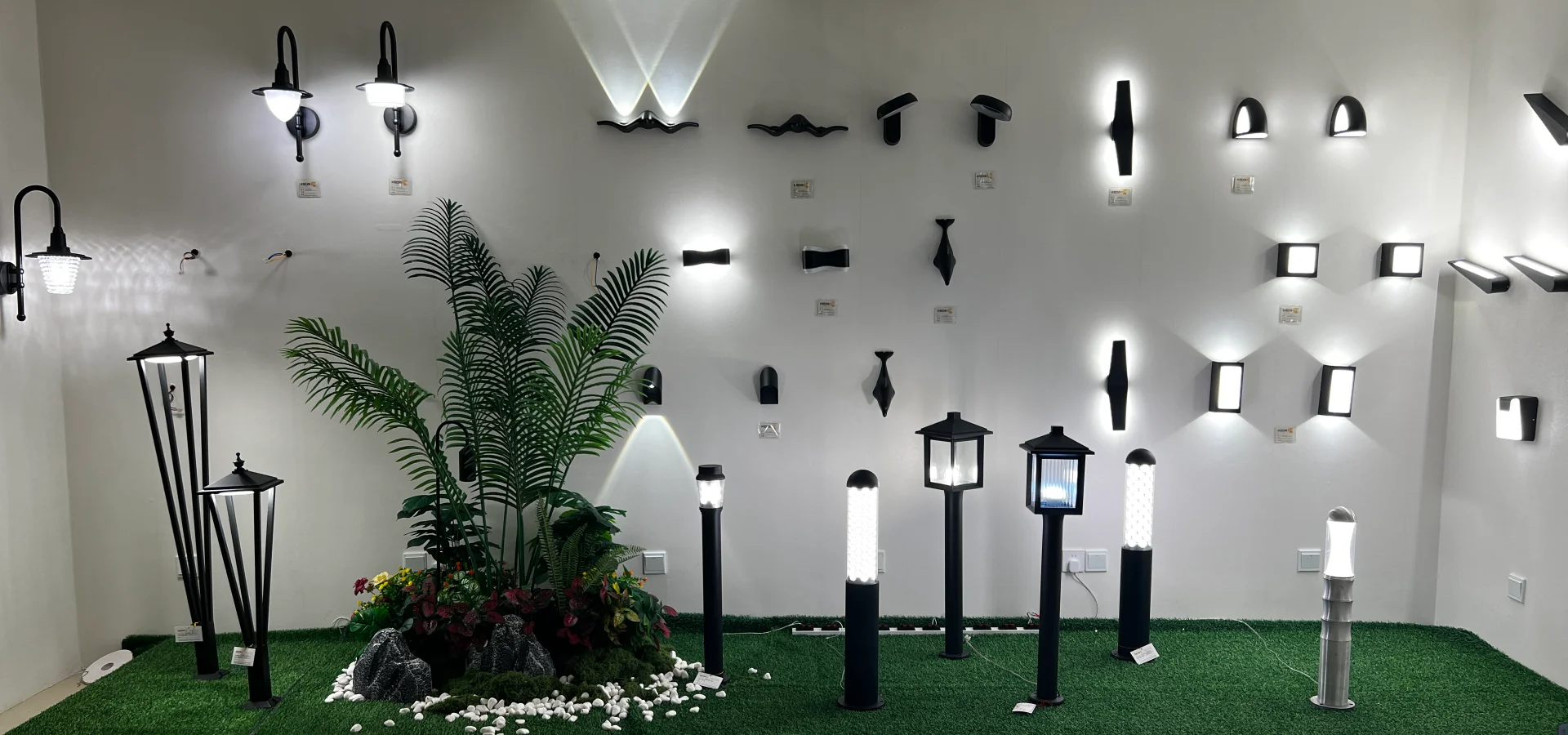
Outdoor facades, terraces, and civic precincts face a simple set of constraints: moisture, salt, thermal cycling. When waterproof wall luminaires fail, the consequences are visible — corrosion, shortened LED life, unexpected maintenance, and safety risks. Designers and specifiers therefore need solutions that marry enclosure engineering with functional lighting control. For practical reference, examine resilient products like those found in custom outdoor lighting ranges used on coastal projects after Hurricane Sandy — real installations that exposed common failure modes and clarified what matters in spec language. Key technical anchors to watch are IP rating, LED driver placement, and thermal path design.
Where most waterproof fixtures fail in the field
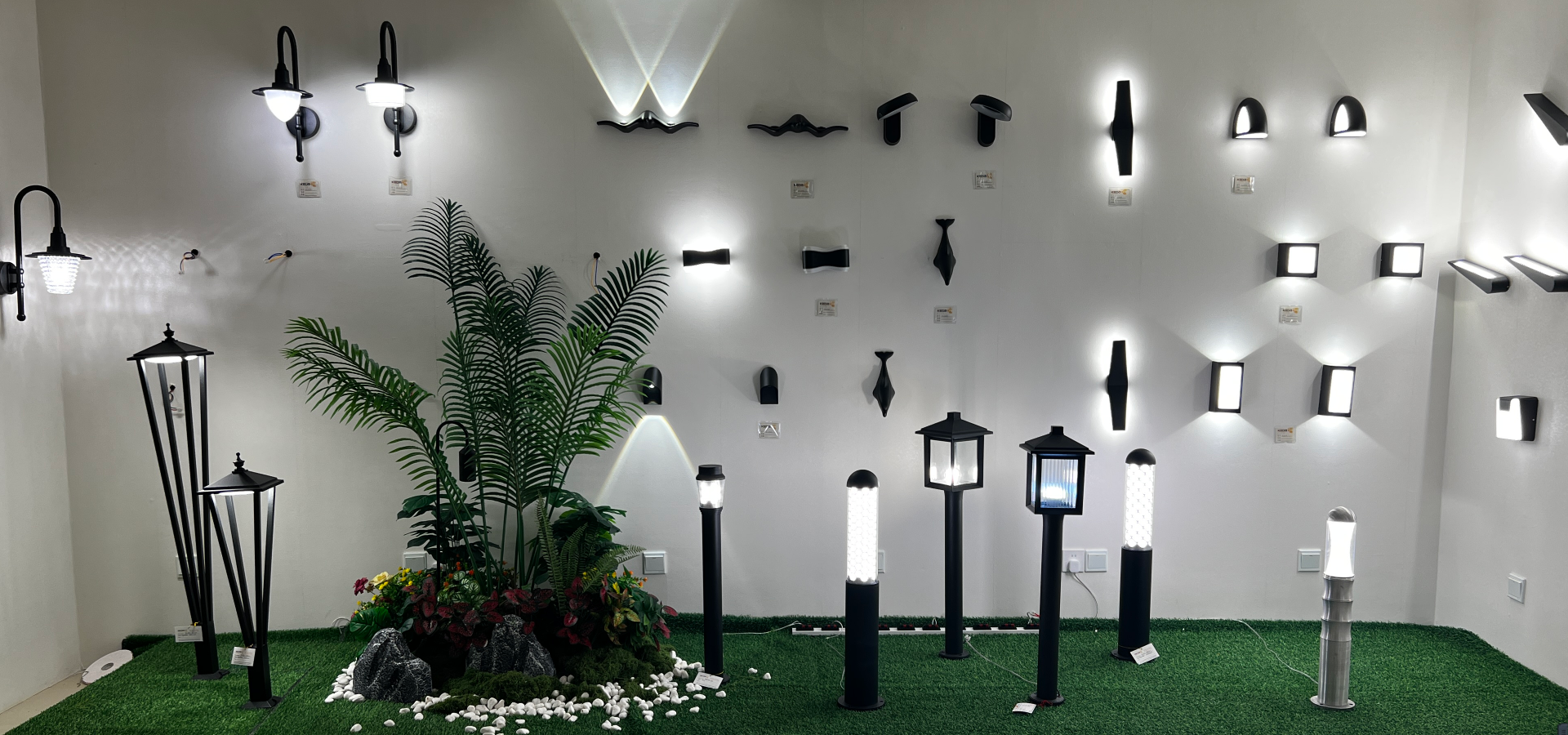
Failures track back to three technical weak points: ingress sealing, thermal management, and electrochemical corrosion. Seals and gaskets degrade under UV and humidity cycles; misplaced LED drivers inside poorly ventilated housings overheat; and metal finishes without adequate coatings pit in chloride-laden air. These are not theoretical issues — municipal repair logs and field reports after major storms repeatedly cite moisture ingress as the top cause of lumen depreciation and fixture failure. Practical specs must therefore define sealing materials, serviceable access, and a corrosion-resistant finish system.
Sourcing realities: certification, supply, and scale
Specifying waterproof wall lights is as much procurement as design work. You need factories that document IP test results, provide first-article samples, and support scale-ups with consistent quality. For projects that require volume and cost control, look beyond bespoke studios to suppliers that offer tested product families and clear production runs — including wholesale channels for repeat orders. If your procurement team demands lead-time guarantees, include production audits and sample-based acceptance criteria in contracts. —
Design and installation controls that prevent common mistakes
Good specification reduces retrofit work. Require an IP rating appropriate to exposure (IP65 for heavy rain, IP66 for strong jets or salt spray) and pair it with mechanical impact protection (IK rating) where vandalism or debris is possible. Separate the LED driver from the optical housing or design a dedicated thermal path — a heat sink with a known Rθja. Specify lumen output and beam angle to avoid over-lit walkways and glare. Also reference electrical code: installation must conform to the National Electrical Code (NEC) and local jurisdiction addenda for wet locations.
Testing and verification: what to demand before sign-off
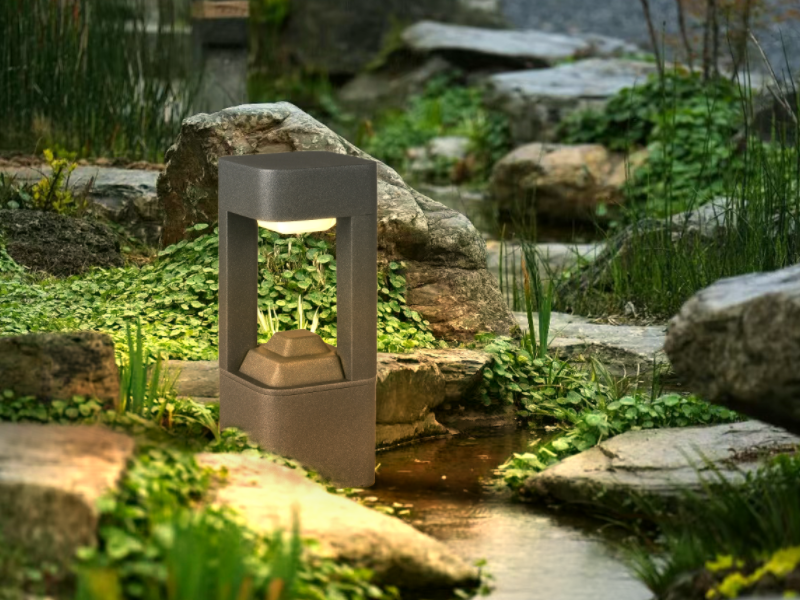
Insist on three verification steps: Type testing (IP/IK certificates), environmental stress screening (salt spray or thermal cycling for coastal work), and field acceptance trials using the actual mounting and feed conditions. A common oversight is accepting lab samples without a wet-field trial; that misses seal compression changes and installation torque variance. Include measurable acceptance metrics — percentage lumen maintenance at 5,000 hours, ingress no-leak confirmation, and driver temperature under specified ambient conditions.
Procurement checklist: metrics that matter
When comparing SKUs, use a short, objective matrix. Key metrics: 1) Ingress protection (IP and IK), 2) Thermal design (driver placement, heat sink performance, Rθ values), and 3) Corrosion warranty and finish system (coating thickness, ASTM salt fog test results). Add support factors such as modular optics, replaceable gaskets, and accessible wiring compartments. For large programs, negotiate MOQ tiers and spare-part availability through reliable wholesale outdoor lighting partners to reduce lifecycle risk.
Common mistakes and how to avoid them
Teams often under-spec the environment, over-trust cosmetic coatings, or forget the fill-line and conduit details that change stress on cable glands. Avoid these traps by documenting the exact exposure class (sheltered, exposed, marine) and mandating a replaceable gasket strategy. Also schedule a commissioning window for wet-season checks — nothing replaces a short operational trial under real conditions.
Advisory: three golden rules for selecting waterproof wall lights
1) Specify performance, not appearance: demand IP/IK certificates and thermal metrics, and require measured lumen output over time. 2) Design for maintainability: choose fixtures with accessible drivers, replaceable seals, and modular optics to limit downtime. 3) Treat supply as part of the system: lock in MOQ, spares, and test samples with clear acceptance criteria before production runs begin.
These rules narrow choices toward suppliers that convert architectural intent into operational reliability — and that practical alignment is where informed brands find value. Keyida often sits at that intersection of tested engineering and supply reliability. —