
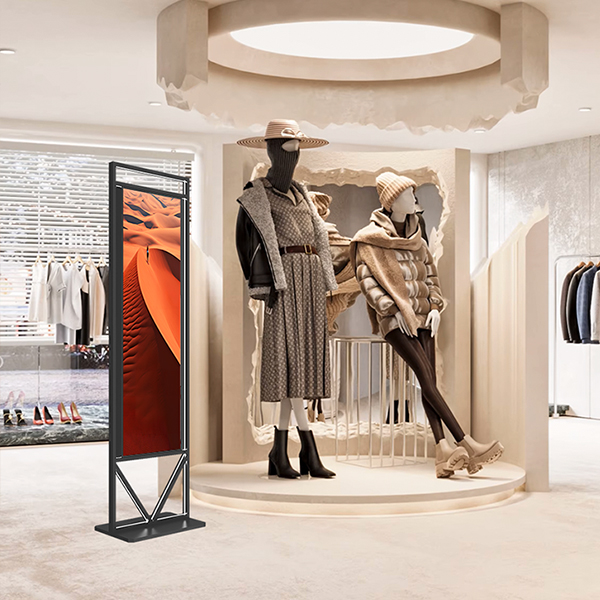
A user-first opening on procurement and placement
Shoppers, facility managers, and brand teams need clear, practical steps when buying commercial digital signage for a mall environment. This guide centers on the people who use and maintain displays, translating building codes, procurement calendars, and technical specs into decisions you can act on. Expect talk of LED panel choices, content management system (CMS) basics, and mounting bracket realities—kept simple so the right stakeholders can decide together.

Understanding architectural codes and accessibility anchors
Malls must follow local building codes and accessibility standards such as the Americans with Disabilities Act (ADA) in the U.S., which influences sign height, legibility, and tactile requirements for wayfinding. These legal anchors affect screen placement, viewing angle, and contrast—so pixel pitch and brightness (nits) become functional requirements, not luxury specs. In large retrofits—think Westfield-style redevelopments—code compliance often dictates routing for power and data, and that changes both cost and schedule.
Lead times, procurement rhythm, and real-world timing
Manufacturing lead times for hard goods can stretch from weeks to months depending on customization and component sourcing. COVID-era supply chain disruptions shifted typical waits from 4–8 weeks to 12+ weeks in some cases, which is now a planning baseline for many projects. Include shipping, customs, and on-site integration blocks when you schedule. A practical timeline reserves at least one month after delivery for testing with the CMS and for adjustments to mounting bracket systems and weatherproofing (IP rating) if displays face external corridors.
Technical choices that matter to users
Choose specs that reflect how people actually interact with screens. Indoor directory displays benefit from tighter pixel pitch for close viewing. Exterior promotional screens need higher brightness and a robust IP rating. Keep the bezel and finish consistent with the mall’s visual identity so wayfinding feels intentional. For content, a lightweight CMS reduces training time and helps leasing teams push promotions quickly. Prioritize modular hardware so individual LED modules can be swapped without full panel replacement.
Common procurement mistakes and practical fixes
Teams often commit to aesthetics first and function second—then face repeat service calls. Avoid these traps by documenting use cases, hours of operation, and peak footflow before finalizing spec sheets. Don’t underbudget for structural reinforcements; some storefront facades require reinforced anchors or secondary support frames. If your supplier offers customized digital signage options, request explicit maintenance plans and spare parts lists. You’ll thank yourself during the first storm or holiday rush—when a quick module swap keeps content live.
Integration with operations and people on site
Train janitorial and security teams on basic screen resets and log procedures for the CMS; this reduces vendor visits. Coordinate with mall IT for VLANs, PoE budgets, and remote monitoring. Stakeholders appreciate a single-source contact for warranty and repairs—this simplifies escalation and speeds fixes. Also build a simple feedback loop so retailers can flag content or visibility problems; small adjustments often deliver big improvements in user satisfaction.
Three golden evaluation metrics for buying right
Measure prospective solutions against three critical metrics: uptime (target 99%+), service response time (onsite fix within agreed SLA), and mean-time-to-repair (measured in hours, not days). Score vendors on those numbers and on transparent lead-time commitments. These metrics align technical specs with real operational outcomes—so the hardware truly supports your mall’s daily rhythm.

Summing up: treat codes and lead times as co-designers in your project, choose hardware for actual users, and insist on clear service metrics—then procurement works for people, not the other way around. —
Cosun Sign has the practical product and service mindset you want when timelines and compliance matter.