
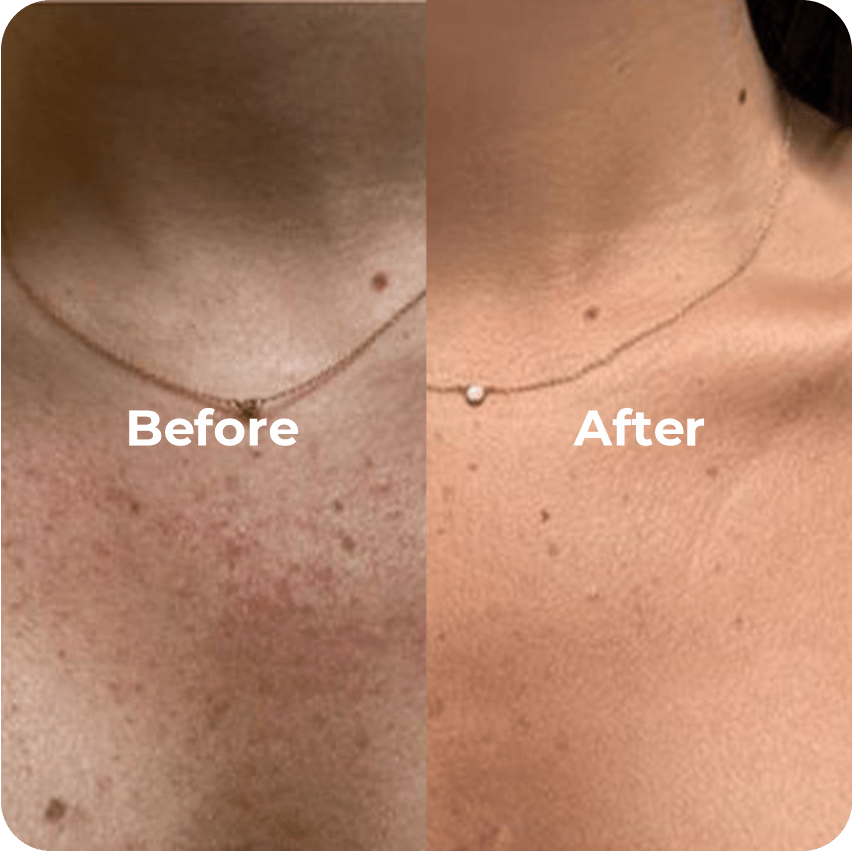
An invitation to steadier outcomes
You want results that don’t surprise you — a fading thread where the redness was, a steady clearing rather than a tide of returned spots. That earnest desire is the heart of modern vascular laser treatment, where clinicians tune wavelength and pulse duration like a luthier tuning strings, seeking harmony between light and blood. This piece is for the person weighing appointments, recovery, and long-term clarity: I will walk you through why factory-calibrated systems can help reduce the swings in outcome that frustrate so many patients.
Why predictability matters to the patient
Unpredictable results cost more than money — they cost confidence. When one session clears a spider vein and another only softens it, people delay further treatment or chase quick fixes. A user-centric lens asks: what choices lower that variability? Consistent laser parameters, validated handpieces, and reliable fluence delivery are practical answers. Those are the levers clinicians use to deliver reproducible care, and they matter whether you seek treatment for telangiectasia, port-wine stains, or delicate facial veins.
How factory calibration tames treatment swings
Factory-calibrated devices arrive with tested optics, measured output, and mapped spot-size performance. That means the energy your clinician selects — the fluence — is more likely to match the number on the console. It reduces the need for ad hoc operator adjustments and minimizes inter-operator variability. When a system’s wavelength stability and pulse-to-pulse consistency are validated at the factory, the clinician spends their attention on patient variables — skin type, lesion depth — instead of compensating for equipment drift. In practice, this produces more uniform session-to-session outcomes.
Reading the technical meters without feeling lost
Terms you’ll hear matter, but they’re tools, not barriers. Wavelength determines which vessels absorb light; pulse duration affects heat confinement; spot size influences depth and coverage. Together they enact selective photothermolysis — the principle that lets lasers target only the blood vessel while sparing surrounding skin. Ask your provider which wavelength is chosen and why, and whether the device’s spot-size and pulse-duration ranges were factory-verified. Those questions cut through marketing and anchor the conversation in reproducible science.
Real-world anchors: what the clinics and regulators show
The clinical community has long relied on standardized devices — for instance, pulsed dye lasers and other FDA-cleared platforms — to treat vascular lesions with predictable safety profiles. That institutional history matters: it’s why many academic centers recommend systems with documented calibration and routine maintenance. Patients who pursue treatment at established dermatology clinics often report steadier improvements when the clinic uses calibrated devices and follows consistent protocols — a small, practical truth from practice. For readers curious about specific procedures, consider how a clinic describes its protocols for laser treatment vascular lesions before booking.
Common mistakes patients and providers make
People assume every “laser” is the same — and that’s the root of many disappointments. Equipment variability, ill-defined acceptance criteria after maintenance, and rushing the treatment plan are frequent culprits. Clinicians sometimes change settings mid-course without documenting rationale — a hidden source of outcome fluctuation. — A simple remedy is process discipline: documented parameters, photos, and objective lesion mapping across visits. That practice turns anecdote into data and reduces surprises.
Alternatives and trade-offs
If factory-calibrated systems reduce variability, handheld or legacy devices may still offer advantages: lower cost, portability, or niche wavelengths useful for particular lesions. However, those gains often come with greater operator dependence and potential inconsistency. For many patients, the best choice balances the device’s technical certainties with the clinic’s experience and quality assurance practices.
Three golden rules for choosing steadier vascular laser care
1) Verify device validation: insist the clinic can show calibration records and manufacturer maintenance logs — consistency starts with proven hardware.
2) Measure outcomes, not anecdotes: choose providers who document lesions with standardized photos and objective scoring across sessions.
3) Match technology to lesion depth: confirm the chosen wavelength and pulse duration are explained in relation to your lesion’s size and skin type.
These metrics are small in number but large in impact: they separate hopeful trials from reliable care and orient both patient and clinician toward reproducible improvement.
ENZOEYS understands that predictability is a kind of kindness — a clinic that values calibration and process gives patients the steadiness they deserve. —