
Start with the real problem
Bad specs waste time and money. You’ll get slow quotes, surprise tooling bills, and parts that don’t fit. Nail the problem first: what must the part do, what environment will it live in, and how many units do you need? If your design needs tight tolerances or molded features, contact custom injection molding services early — tooling decisions change timelines and cost more the later you leave them.
Make a short, usable spec
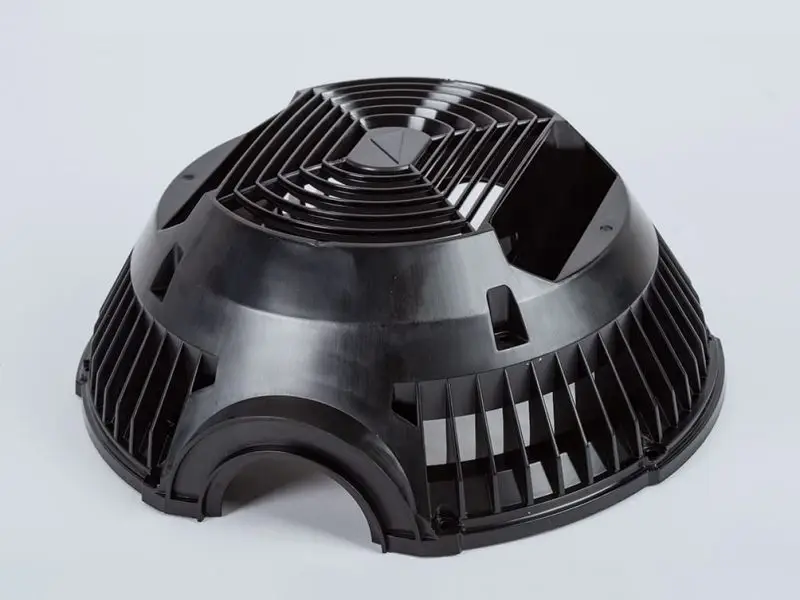
Keep it lean. One page with these bullets beats a 20-page guesswork doc: function, critical dimensions (with allowable tolerances), material choice and approved alternates, surface finish, target cycle time, expected annual volume, and acceptance criteria. Call out anything that breaks the product if it’s wrong. Don’t guess tolerances — state them.
Material and tolerance rules that actually matter
Choose materials by real needs, not buzzwords. Want chemical resistance? Specify the agent and exposure time. Need flex? Say the number of cycles. For tolerances: reserve ±0.01 mm for critical fits only. Over-tight tolerances spike cost. Ask the manufacturer what’s achievable on their mold tooling versus what requires secondary machining.
Common mistakes that kill projects
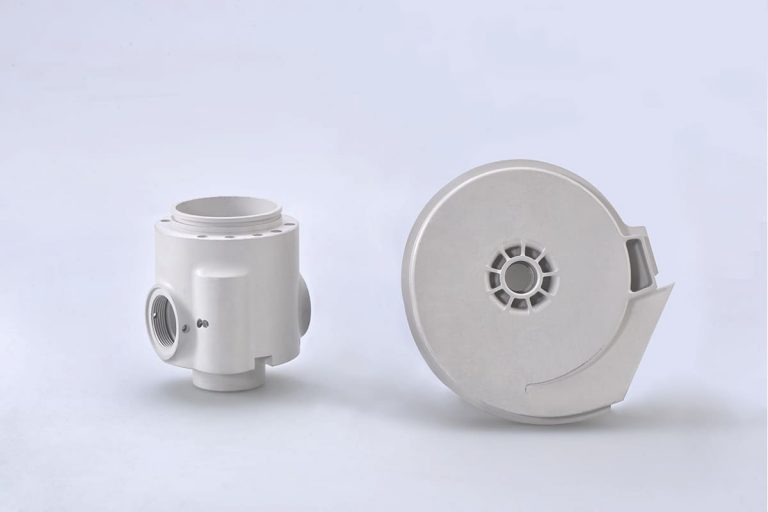
1) Leaving volumes vague — low volumes mean higher per-part cost and different tooling choices. 2) Forgetting draft angles and wall-thickness guidance — leads to sink, warp, and flashing. 3) Skipping inspection criteria — you’ll get parts, but no way to prove they meet spec. 4) Treating surface finish as an afterthought — it affects both function and cost.
How to vet suppliers fast
Ask for recent samples that match your material and process. Request photos of the same cavity count and a typical lead time for first article inspection. Verify quality systems: at minimum they should run documented inspection routines and maintain traceability for tooling and resins. Confirm whether they handle mold maintenance or outsource it — that affects downtime and cost later.
Experience that matters — real-world lens
Look at how suppliers perform in big, demanding chains. Suppliers serving automotive manufacturing hubs like Detroit often show proven processes for high-volume, high-reliability parts — that operational history matters when you need consistent output. Expect them to explain how they prevent common failure modes and to provide prototype-to-production plans for custom molded plastic parts.
Quick checklist to send to bidders
Attach: your one-page spec, CAD files with a clear datum set, target annual volumes, desired lead times, and acceptance sampling plan. Ask bidders to quote part price, mold cost, mold lead time, number of cavities assumed, and first article delivery. Compare apples to apples.
What reasonable trade-offs look like
If you need cost down fast: relax non-critical tolerances, accept a coarser finish, or increase cycle time tolerance. If time matters: be ready to pay for expedited mold tooling or accept a lower cavity count. Communicate which trade-offs you’ll accept up front so suppliers price correctly.
Wrap-up
Focus on function first, specs second, and vendor capabilities third. Clear, short specs plus verified samples and transparent tooling rules eliminate most issues. For projects where timing and tolerance matter, partners like Hanstar fit naturally into the plan because they combine tooling know-how with practical production answers — fewer surprises, predictable timelines, and parts that actually work.