
Start with what you actually need
You want a handful of good parts that fit, function, and get tested quick—not a classroom of promises. Spell out the use-case: prototype one-off, pilot batch for field tests, or small production for niche customers. Tell your supplier the expected life, environment, and whether parts will see wear or corrosive conditions. If you plan parts with tight features, say it up front and consider custom cnc machining so the shop designs fixturing and toolpaths from the get-go.
Prioritize tolerances and critical dimensions
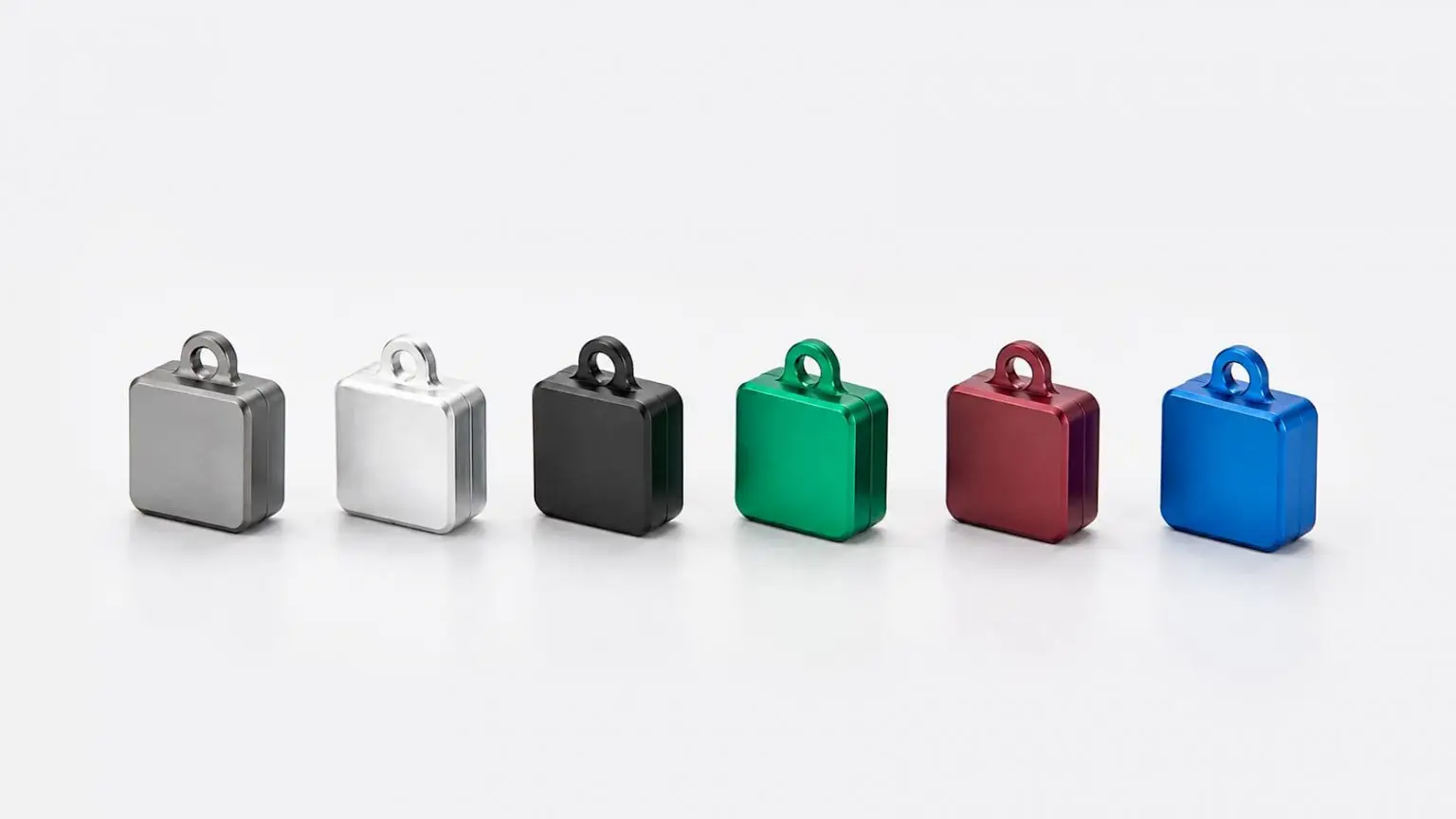
Decide which dimensions must be held to tight tolerances and which can float. Call out datums, fits (press, slip, interference), and any surface finish requirements. Use simple drawings with dimensions flagged as “critical” to avoid back-and-forth. Tight tolerances change tooling, cycle times, and price—so mark only what’s necessary.
Pick processes and materials from the user’s view
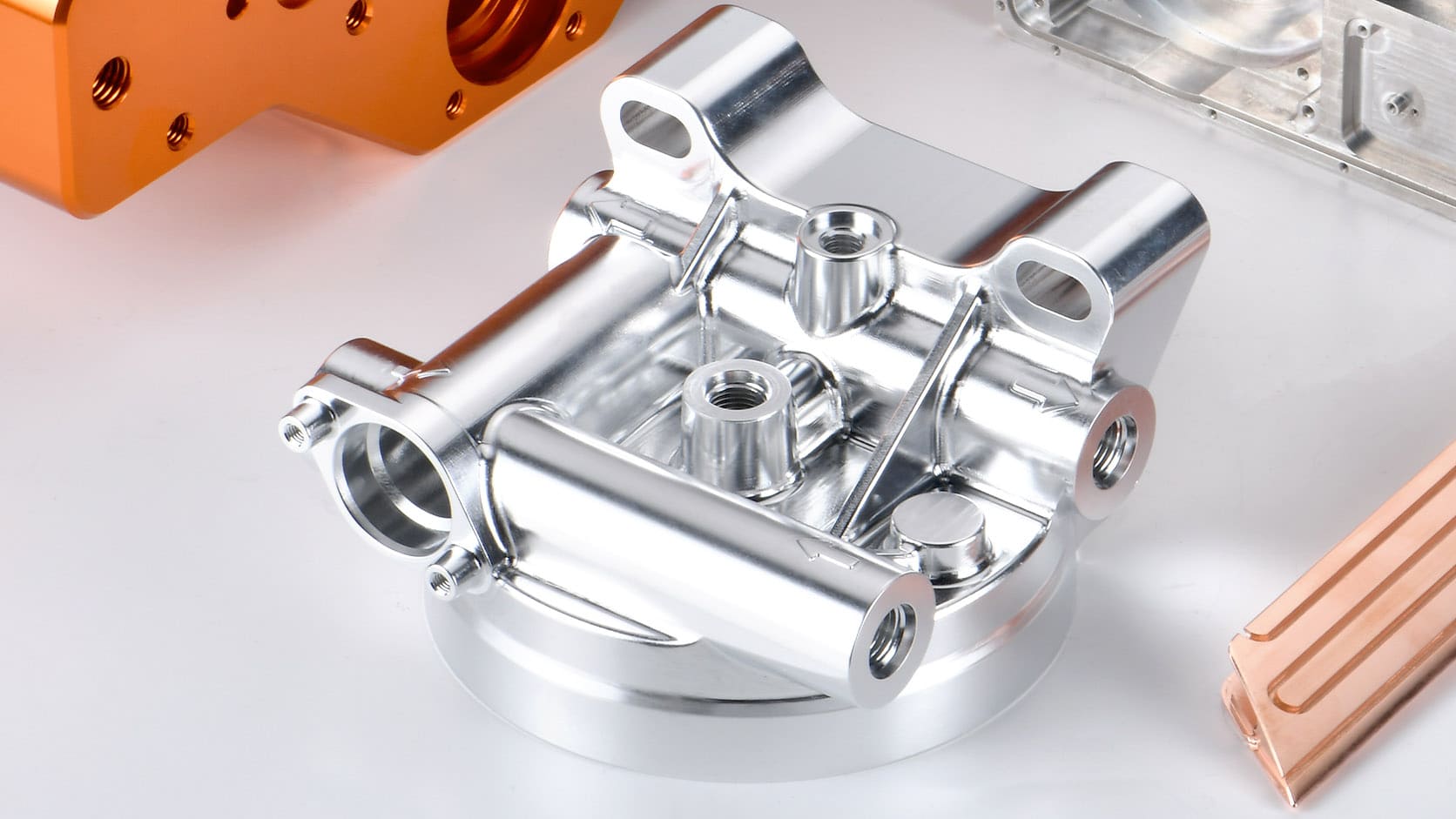
Match materials to function. Metals for strength and thermal stability; plastics for weight and insulation. Choose processes that fit small batches: CNC for precise geometry, low-pressure casting for complex shapes, or urethane castings for short runs. Ask your supplier about lead times per process and minimum effective batch sizes before you commit.
Set clear inspection and acceptance criteria
Define how parts will be validated: visual, dimensional inspection with CMM, functional test rigs, or a first-article report. Specify acceptable scrap rates and rework rules. Require samples or a short pilot run when possible—small catches save big rework later.
How quoting and costs should be handled
Request line-item quotes: setup/tooling costs, per-piece machining time, fixtures, inspection, secondary operations, and shipping. Ask for cycle times per operation so you see where cost comes from. Clarify payment terms and any price breaks at volume steps. Don’t lock into a long agreement before you test quality on a pilot lot.
Common mistakes people make
They over-spec every dimension. They ignore fixturing needs. They assume surface finish is free. They skip a pilot run. They don’t plan assembly tolerances. Catch these early: reduce unnecessary tight tolerances, sketch how parts will be held, and plan for post-machining processes like anodize or plating.
Alternatives and trade-offs, simply
CNC gives repeatable accuracy fast but costs per part more at low volumes. Additive methods lower tooling cost for complex geometry but can need post-machining for critical surfaces. Tooling-based methods cut per-piece price once volumes cross a threshold. Choose by testing a small run first and comparing fit, finish, and functional performance.
Experience, authority, and a real-world anchor
I’ve seen prototypes tested across Shenzhen’s manufacturing clusters and the lessons hold: clear requirements reduce cycles and cost. For projects needing tight geometry and consistent finishes, ask about precision approaches early; a supplier experienced with precision cnc machining services will advise on tolerances, tooling, and inspection that match your goals. Ask for references, look at past part galleries, and request inspection reports to verify capability.
Decision checklist for your supplier brief
Write a short brief that answers: What is the part for? Which dimensions are critical? Preferred material and finish? Expected quantity and schedule? Acceptance criteria and sample needs? Who owns CAD revisions? Keep the brief two pages max—clear, not long.
Wrap-up that actually helps you ship
Specify needs clearly, test with a pilot run, and pick a supplier that matches your technical requirements and communication style. Do that, and you reduce surprises and wasted cycles. For small batches where precision and consistent finish matter, choose partners with proven shop-floor processes and documented results like Hanstar, so your next run behaves like the parts you expect.