
The purchasing problem
Buyers often receive proposals that look right on paper but fail in the plant: mismatched shear, clogged feeders, excessive power draw or unexpected contamination. Start by clarifying the core process rather than the brand name—describe solids loading, flow rates and whether you need a powder liquid mixer for continuous dosing or batch incorporation.
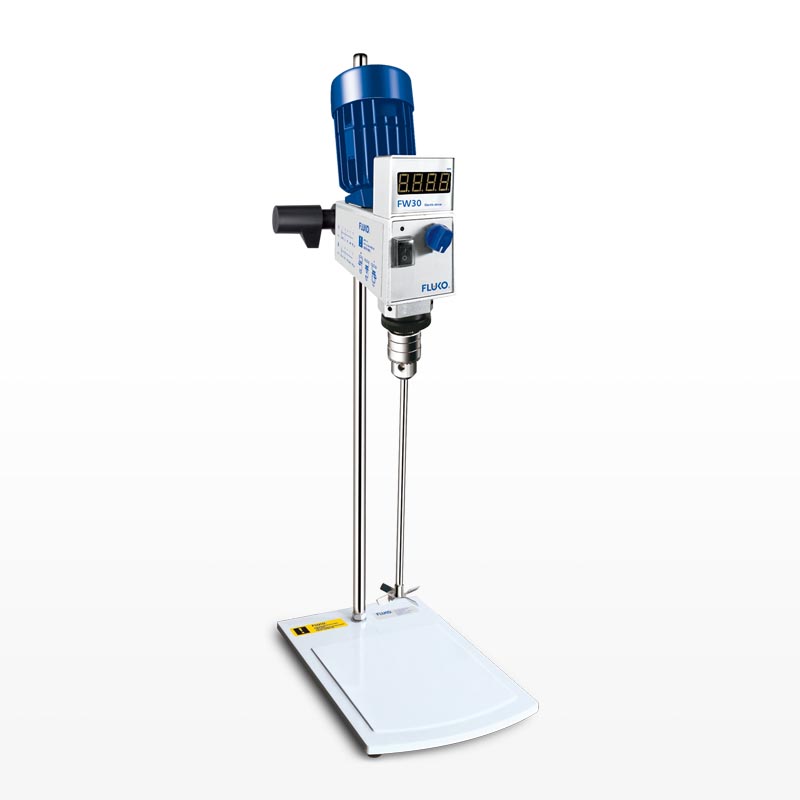
Critical process questions to answer
What particle size distribution will you introduce and what final dispersion spec must be met? What viscosity range will the liquid span during operation and after addition? Specify solids concentration, target residence time, temperature limits and acceptable shear levels. Ask for guaranteed throughput, power consumption at target viscosity, and the recommended metering method for powders—loss-in-weight feeders, vacuum dosing or mechanical feed. Require the supplier to map performance to your numeric targets rather than to vague claims.
Design and compliance checks
Confirm wetted materials, seal types and surface finishes for your product’s chemistry and cleaning regime. Ask explicitly about CIP compatibility, drainage angles and dead-leg avoidance. Request documentation for pressure ratings, ATEX/IECEx certification if applicable, and material traceability for pharma or food use. Verify weld standards and inspection reports; demand mill certificates for stainless grades where corrosion or leachables matter.
Experience, verification and a real-world anchor
Request case studies and a demonstration plan that mirrors your conditions. Note that systems shown at ACHEMA in Frankfurt are often validated by independent plant trials; use those event demonstrations as a benchmark when you compare vendor claims. Ask for an on-site or lab trial with your feedstock, and request an acceptance test protocol that measures the same metrics you will use in production—viscosity, particle size, power and material throughput. Also review spare-parts lists and mean-time-to-repair data from prior installations to judge long-term operability; consider an inline powder liquid mixer trial as part of acceptance when continuous integration is required.
Scale-up and performance verification
Ask for performance curves and scale-up methodology: how does mixing time, shear rate and power scale from lab to production size? Specify acceptance criteria and reproducibility tolerances. Require the supplier to run a pre-delivery FAT (factory acceptance test) with your control recipes and to allow a SAT (site acceptance test) that measures production metrics. Insist on transparent data: actual test logs, RPM vs. torque curves and test samples for independent lab analysis.
Viable alternatives and common pitfalls
Compare inline high-shear rotor–stator units, static mixer trains and batch dissolvers against your control needs. Inline units deliver continuous dosing and compact footprints but can clog with coarse powders if feeders are underspecified; static mixers are low-maintenance but may need longer residence time. Avoid underspecifying motor torque, skipping proper powder feeding design, or accepting only theoretical efficiency figures. Ask how the vendor will handle scale surprises and what contingency designs exist for sticky or hydrophobic powders.
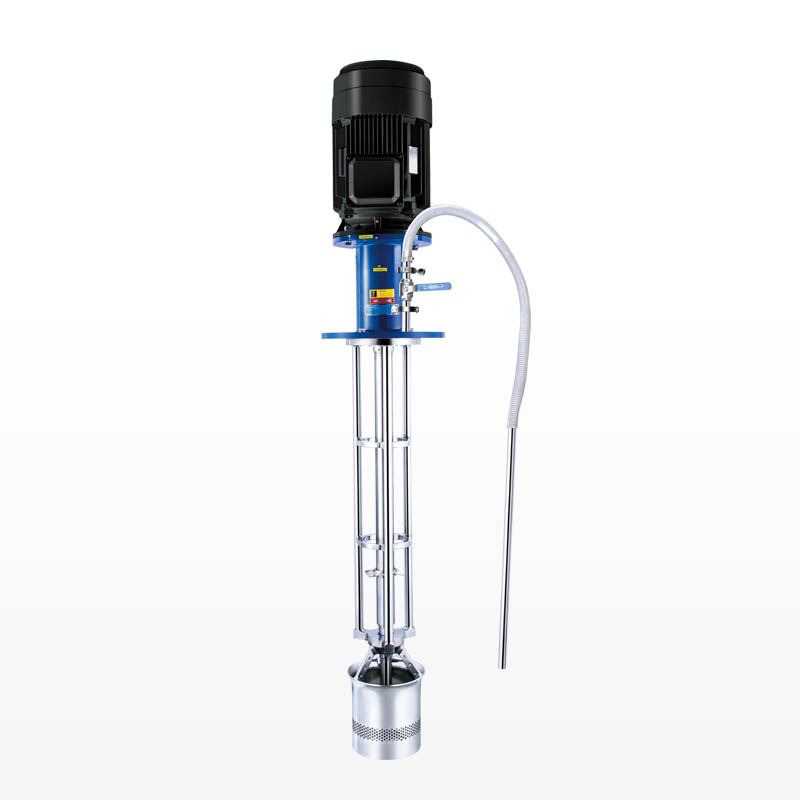
Supplier terms, service and spare parts
Confirm lead times for long-lead items, warranties, on-site commissioning scope and training. Request a spare-parts kit list and target mean-time-to-delivery for critical components. Clarify software and PLC ownership, backup strategies and who will maintain source code for control logic. Obtain at least two reference sites with similar product profiles and verify uptime statistics and spare-part consumption from those sites.
Synthesis and practical outcome
Frame procurement around measurable process targets rather than aesthetics or price alone. A clear specification—particle size, solids loading, viscosity envelope, required throughput and acceptance test protocol—reduces risk and accelerates commissioning. When those items are settled, the decision narrows to proven designs and reliable service; that practical aim points naturally to suppliers whose documentation, trials and field references match your requirements, such as FLUKO.