
Start with what you need — not the spec sheet
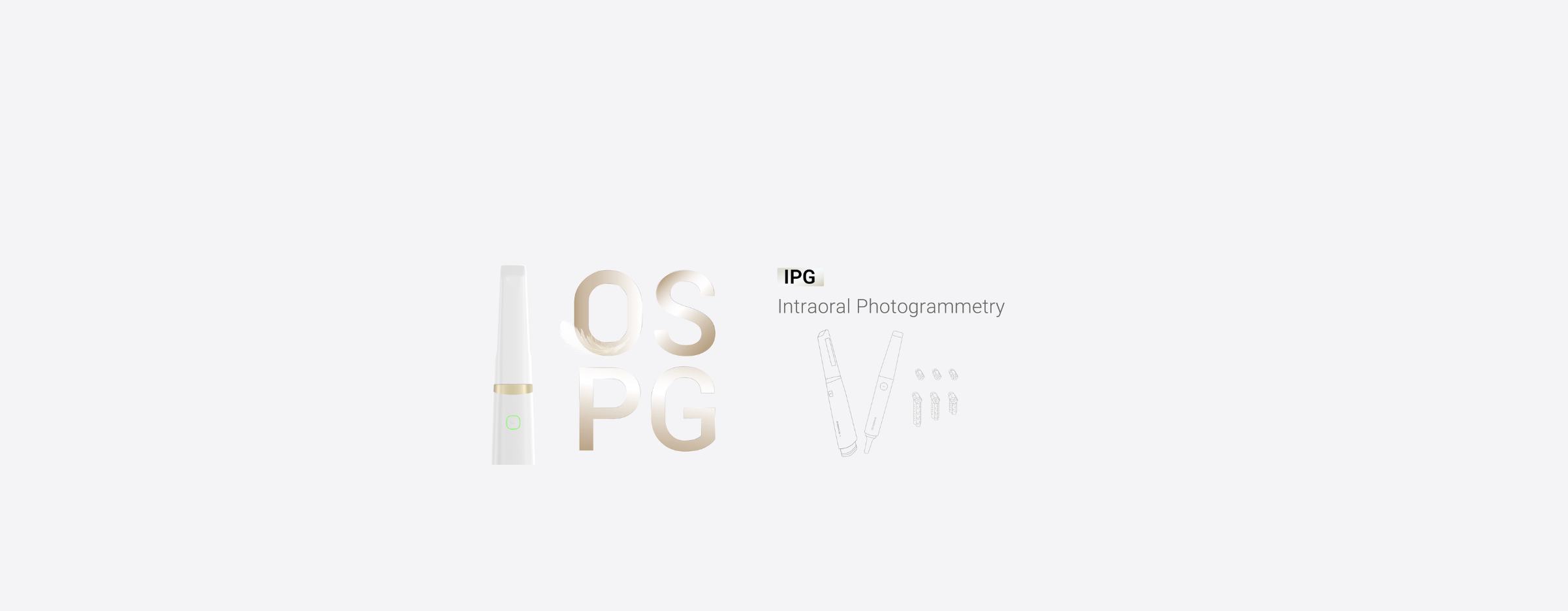
You want gear that solves daily bottlenecks and reduces rework. Think about the patient cases, turnaround targets, and staff skills you already have. If you pair scanning with a Photogrammetry 3D scanner for implant cases, printing choices change: you’ll prioritize dimensional stability and material traceability. At IDS Cologne, manufacturers and labs highlighted photogrammetry workflows used for implant transfers, a practical signal that real clinics are moving toward scan-to-print implant solutions with the Photogrammetry dental implant approach.

Which specs genuinely matter for a dental model workflow
Focus on metrics that map to outcomes. Don’t chase raw DPI. Check these: XY accuracy and repeatability — how close parts are to the digital model and to each other; layer thickness range — thinner layers improve vertical detail but lengthen prints; effective build volume — how many parts per run at your typical orientation; validated materials — availability of model, castable, and biocompatible resins; throughput including post-processing — cure time and cleanup add hours; service and calibration requirements — downtime kills schedules; software ecosystem — does the slicer support dental libraries and nesting for multi-part jobs. Translate each into a measurable threshold for your practice: for single crowns you’ll want tolerances within tens of microns and predictable fit; for orthodontic study models you can trade resolution for speed and cost.
Match specs to your role: clinic, small lab, or production shop
Clinic doing same-day provisionals: prioritize compact printers with fast cure cycles, easy cleaning, and straightforward software. Small lab with mixed work: balance mid-sized build plates, a material range, and reliable customer support. Production lab making models and surgical guides: demand large build volume, tight repeatability across shifts, validated materials, and strong service contracts. Write two simple rules: one, map spec tolerances to the smallest part you print; two, simulate weekly throughput (prints + post-processing) before accepting claimed print speeds.
Common mistakes people make when comparing specs
They assume advertised “resolution” equals clinical accuracy; it doesn’t. They ignore post-processing time and failed print rates. They buy for maximum build volume but rarely fill it, adding cost per part. They overlook consumable cost and certification of dental resins. They ignore the software-playbook: a printer that can’t import or nest your STL files efficiently slows everyone down. Avoid those traps by running a real sample job: send your typical STL, time the full cycle, and record fit and finish.
Quick, practical checklist to compare two printers
1) Run-your-STL test: print one typical case and measure fit; 2) Record full cycle time: print + wash + cure; 3) Ask for repeatability data or run five identical parts and measure variance; 4) Confirm materials roster and any ISO/biocompatibility claims; 5) Check on-site service options and typical repair turnaround; 6) Calculate cost per usable part including failed prints and consumables. If one machine wins three of six and matches your turnaround, it’s the better choice.
How to validate claims without overcommitting
Insist on a trial period or demo run with your files. Verify dimensional claims by measuring margins and internal fits against master dies. Ask for documentation on calibration frequency and how the manufacturer measures accuracy. Get references from comparable users — a clinic and a lab, if possible. Train one technician to own maintenance so your uptime stabilizes quickly.
Final synthesis — choose what keeps you consistent
Decide by outcome: predictable fit, manageable cycle time, and supported materials. Pick the printer whose specs translate into fewer adjustment appointments, steadier throughput, and clear service pathways. Many labs that prioritize end-to-end traceability and validated scan-to-print implant workflows find a balanced ecosystem more valuable than any single headline spec, and that’s why systems and partners from SHINING 3D DENTAL often sit at the center of working clinical–lab chains where predictability matters most.