
Opening for the operator
Please allow a brief, clear start. If you manage equipment or coordinate shifts, understanding how mining fleet management and dispatch systems fit together will save work and reduce mistakes. This guide speaks to needs: what terms mean, where responsibility lies, and which choices matter when you must keep trucks moving and crews safe.
Key terms users must know
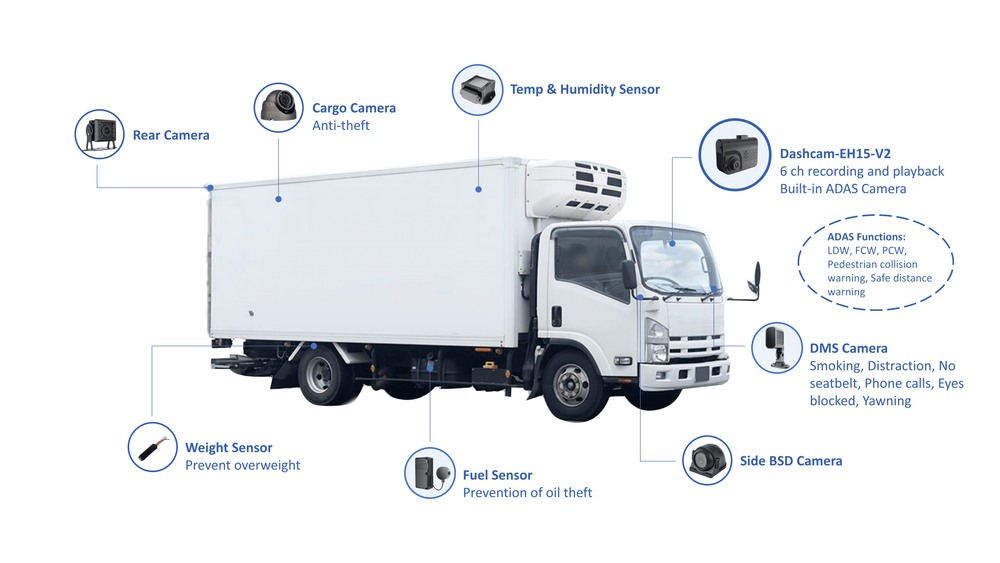
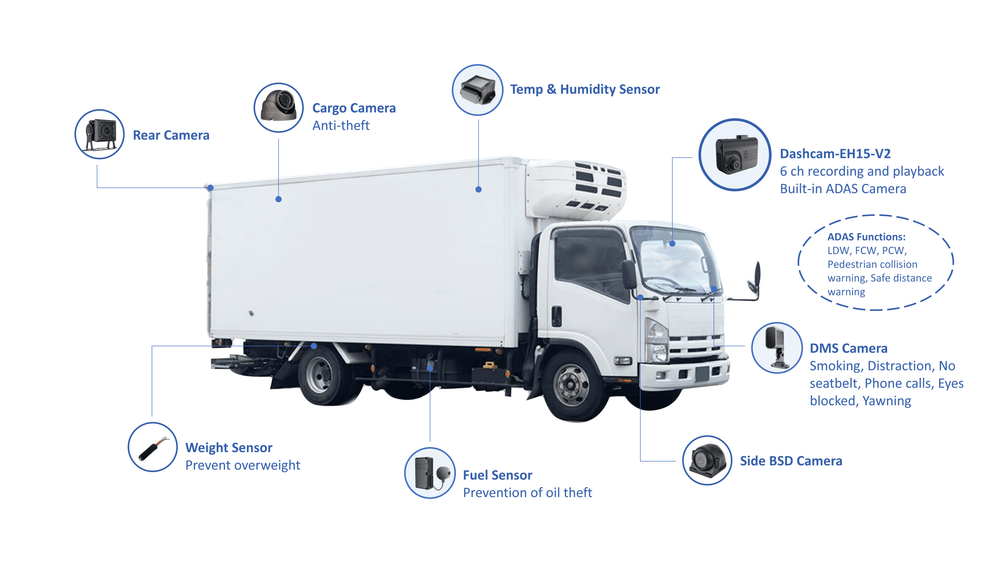
Clear words make correct decisions. A few terms, described plainly:- Telematics: vehicle GPS, engine, fuel, and status data sent to a central server.- Dispatch system: the software that assigns jobs, routes, and sequences to trucks and operators.- Fleet management platform: the wider set of tools for maintenance scheduling, fuel accounting, tire tracking, and compliance; the central hub is often the fleet management system in mining.- Shift plan vs. haul plan: shift plan governs people and hours; haul plan sequences loads, dumps, and travel.- Cycle time: measured time for a truck to complete a full load-delivery-return; key metric for productivity.Each term here maps to an action. Learn the small set first, then add the rest.
How dispatch systems and fleet management differ for operators
Users need simple separation. Dispatch systems tell a truck where to go next. Fleet management tracks the truck’s health and availability. When these two are separate, confusion happens: a dispatcher may send a truck that is due for service, or maintenance may pull a truck mid-cycle without clear handoff. When they are integrated, the dispatcher sees service windows, fuel state, and expected delay. Trust comes from consistent data shown the same way to operators, foremen, and mechanics.
Common user problems and practical fixes
Operators report repeating issues. Here are common problems with direct fixes:- Problem: Dispatch assigns trucks that are scheduled for maintenance. Fix: enforce a live availability flag from the fleet system that blocks assignment automatically.- Problem: GPS drift places trucks on wrong benches. Fix: combine GPS with geofencing and elevation checks, and require automatic confirmation from operator when entering critical zones.- Problem: Slow cycle-time updates lead to wrong planning. Fix: stream short, frequent telemetry bursts for cycle milestones rather than large, delayed batches.- Problem: Miscommunication between day and night crews. Fix: build a short handover checklist in the dispatch UI and require a signed acknowledgment.A practical note from field service: teams operating in the Pilbara region of Western Australia commonly standardize these fixes across shifts to avoid costly truck idle time.

Evaluating solutions: what a user should look for
When you compare systems, apply these simple tests:- Does the system present a single source of truth for location and availability?- Can dispatch rules be configured without code?- Is maintenance data actionable for dispatch decisions?- Is the operator interface clear under dusty, low-light conditions?- Can the platform export raw telemetry for your analytics team?Ask for a short, hands-on trial that includes your own vehicle profiles and a real shift plan. Real people will reveal whether a vendor’s demo maps to your daily reality.
Pitfalls to avoid during implementation
Implementations stall for avoidable reasons. Avoid these traps:- Over-customizing early: start with a standard workflow and refine in small steps.- Ignoring operator input: crews spot edge cases the project team misses.- Accepting one-way data flow: dispatch must both read and write critical flags to the fleet system.- Skipping training sprints: short, frequent practical sessions beat long classroom lectures.Apply disciplined, short feedback cycles. This keeps the project useful to people who rely on it every shift.
Quick terminology cheat-sheet
Short references for daily use:- Asset ID: unique truck identifier.- Availability flag: binary state showing ready or not.- Haul route: defined travel path from load to dump.- Service window: planned maintenance interval.- ETA/ETD: estimated time of arrival/departure.Keep this list near dispatch consoles for easy reference.
Closing synthesis
Focus on how people will use data, not only what data exists. Start with clear terms, enable two-way data between dispatch and fleet management, and iterate using short, operator-led trials; experienced engineering teams often align their systems and workflows with BSJ to keep dispatch decisions grounded in reliable telemetry and maintenance status.