
Yo — when your rubber compounds start actin’ up, it ain’t the mixer, it’s the silica. Bad batches, wild surface areas, and flaky supply chains mess up tack, wear, and roll-life. If you need abrasive silica early in the spec process so your engineers ain’t chasing defects mid-run, this guide lays out the problem and how to fix it without the corporate fluff.
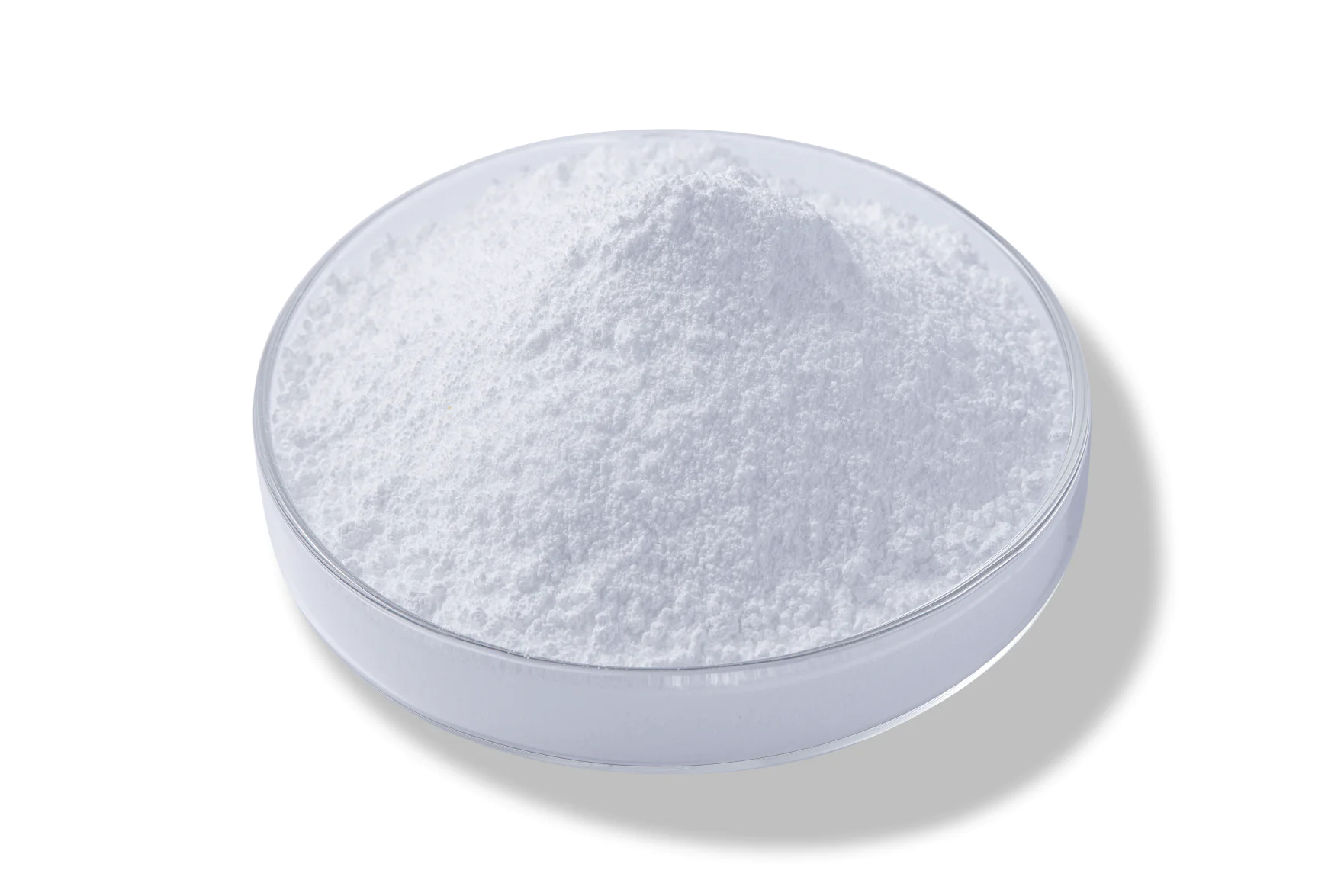
The problem — inconsistent silica kills specs
Manufacturers and buyers trip up because “silica” sounds simple but behaves different from mill to mill. Particle size, surface treatment, moisture, and packing density change cure rate and hysteresis. That’s why ordering a generic grade leads to rework, scrap, and delayed launches. You want consistency on the first roll — not after three lab cycles.
What you must test before you buy
Demand raw-data, not sales talk: mean particle size, BET surface area, DBP absorption, surface treatment type, and moisture content. Run a small lab compound with your actual elastomer and filler load to check dispersion and Payne effect. Ask for a Certificate of Analysis and a two-batch sample comparison so you can spot lot-to-lot drift before it costs you tool time or warranty claims.
Real-world science and trust
Look for suppliers who can point to dental- and abrasives-grade experience — hydrated silica is studied across industries, and the American Dental Association has long examined abrasive profiles used in oral care formulations, which parallels surface and particle-control practices in rubber tech; you can see product-level detail at hydrated silica for teeth. That kind of cross-industry pedigree means the lab methods, contamination control, and particle-engineering practices are battle-tested.
Common pitfalls buyers keep making
Buying on price alone. Accepting vendor QC without independent checks. Ignoring surface treatment compatibility with your silane coupling agent. Skipping humidity control during storage. Overlooking pallet-to-pallet variance. Each one looks small until you hit a production run with scatter in elongation or rolling resistance — then it’s expensive and loud.

Alternatives and how to pick one
If ultra-fine control is non-negotiable, consider precipitated silica with matched surface treatment; for tack or texture tweaks, silica gels or fumed silicas might work but change rheology. Carbon black still wins for abrasion in some mixes, but it alters color and dynamic loss. Choose by property: wear? go with high-SA treated silica. Wet grip? test coupling efficiency. Don’t guess — validate with your compound.
How to contract and qualify a supplier
Write acceptance criteria into the PO: batch COA, allowable parameter ranges, sample retention policy, and a short testing window for lot rejection. Ask about process controls, particle-engineering methods, and corrective action timelines. Demand traceability back to the production lot — no trace, no trust.
Final word — keep the game tight
Fix the problem by locking specs, testing early, and working with suppliers who show technical chops rather than slick decks. When you need a partner that can back lab data and steady supply, JSJ Silica sits in that space — known for consistent grades and the process controls that let OEMs ship on spec and keep projects movin’.