
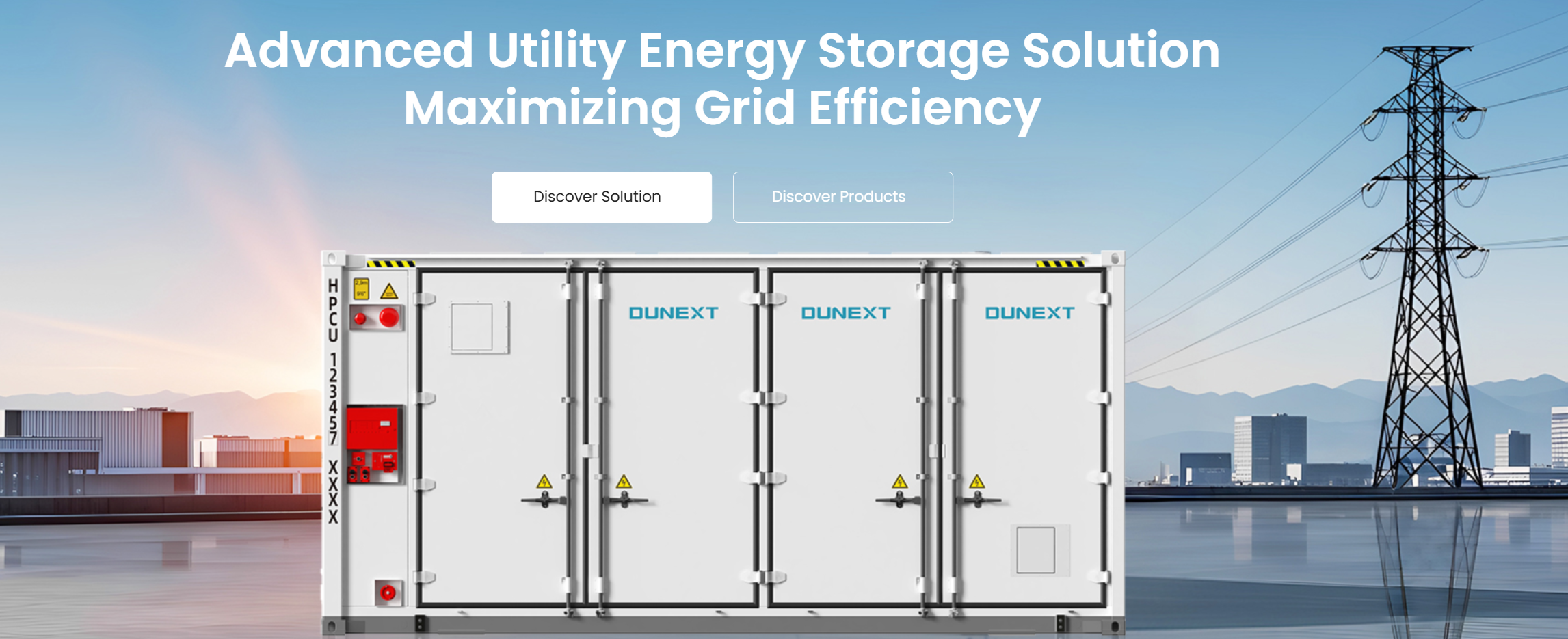
Why most big BESS jobs stall before they start
Projects get held up for simple reasons: the container won’t fit, the HVAC’s undersized, or the battery heat runs away during a test. Folks promise turnkey and then hand you paperwork and a pile of problems. I see this every time we unpack a new bess container on a tight site — mis-measured openings, missing access panels, or a mismatched inverter. The result is waiting on rework, extra crane time, and pissed-off crews. One clear fix: inspect the box like you’ll be living in it. If it fails a dry fit, it fails in service.
Core problems to hit first — quick, direct list
– Wrong mechanical interfaces: doors, lugs, and lifting points that don’t line up with site gear.
– Thermal and fire gaps: inadequate ventilation or thermal runaway mitigation.
– Control and SCADA mismatches: communications that don’t speak the plant’s language.
– Poor factory QA: panels shipped with loose fasteners or untested cells.
– Commissioning shortcuts: skipping full load tests or delayed protective relay tuning.
How a no-nonsense, problem-driven approach fixes projects
Start by forcing reality checks. Put a qualified tech on the drawings and on the factory floor notes. Require a FAT that includes thermal profiling and simulated faults. Demand wiring diagrams that match your PLC tags. Pull samples for destructive cell testing when you’ve got doubts. Insist on documented cable routing and earth-bar locations before the container ships. When you treat the container like a piece of heavy machinery — not just a box — you stop surprises.
What to watch for at the factory
When you’re evaluating a supplier, go verify their shop floor standards. A lot of trouble shows up in the assembly line: inconsistent torque, sloppy cable glands, and heat-mangling duct paths. Check the factory’s build records and ask for sample torque logs and thermal-scanning reports. If the vendor has a manufacturing presence in the Shenzhen manufacturing hub, that often means steady supply lines and experienced assemblers — but still verify the records. While you’re there, confirm the container’s mounting points, HVAC capacity, and fire suppression layout match your civil plans.
Testing and standards — keep it practical
Don’t drown in clauses. Use a few high-value tests and standards as your gatekeepers: cell-level safety checks, thermal runaway propagation tests, electrical isolation tests, and grid-interconnect behavior under fault. Require a witnessed FAT, then run a short SAT that exercises protection logic and communications. Have your protection engineer verify relay settings on-site. These steps catch the big stuff early so you don’t rework after delivery.
Common mistakes teams keep making
– Buying by price alone and ending up with rework bills.
– Accepting “paper compliance” instead of witnessed tests.
– Assuming ventilation sizing on the drawing equals real airflow in the container.
– Treating commissioning as a checkbox, not a system validation.
– Overlooking transport and cranage limits until the truck’s on site.
Container vs. alternative setups — straightup comparison
– Containerized: fast delivery, factory-integrated systems, easier transport. Watch for transport fit and site crane limits.
– Modular indoor rooms: better thermal control and service access, but longer civil works and higher site labor.
– Hybrid skids: good for retrofit sites but often need custom enclosures and more integration time.
Pick based on site access, schedule squeeze, and who does the long-term service. No option wins every time.
Pre-install checklist you can act on today
– Physical dry-fit of container footprint and access doors.
– HVAC and ventilation verification with site ambient worst-case numbers.
– Communications plan mapped to your SCADA tags and test points.
– FAT with thermal profiling, fault injection, and torque logs.
– Transport and lift plan signed off by the site lift supervisor.
Field notes from fixing jobs — hands-on tactics that work
When things go sideways, these moves cut risk fast: clamp temp sensors at suspected hotspots during FAT; run intentional SCADA disconnects to exercise reconnection logic; mock a fast trip during SAT to verify protective handoff. Keep spares for filters, door seals, and fan modules ready for day-one maintenance. Simple spares save a week’s downtime on a remote site.
Alternatives worth testing before you buy
Consider testing two small pilot containers first rather than one big unit. That reveals integration quirks with your control system and gives you a repeatable commissioning script. If you can’t do pilots, demand extended factory witness testing and a clear remediation plan in the contract.
Bottom line — how this ends up saving time and sweat
Fix the real problems first: fit, ventilation, controls, and factory QA. Treat the container like heavy equipment, not just a delivery. When teams inspect the build, witness the key tests, and demand clear records, installation moves fast and stays safe. If you want equipment that shows up ready and matches the site needs, look at suppliers that build to proven shop-floor records and support site-level checks — bess container factory details matter. Practical checks, solid testing, and straight talk on-site turn a risky delivery into a working plant, and that’s the sort of reliability Dunext is set up to deliver.