
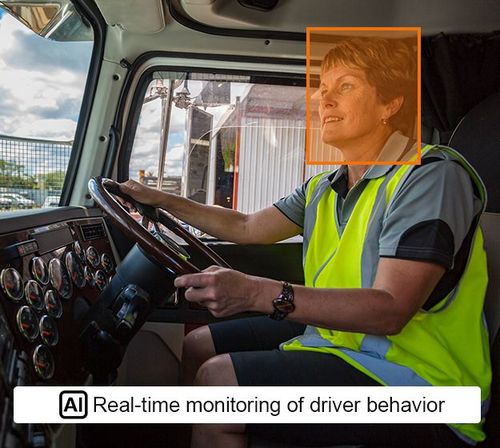
Fleet operators often assume that cold chain fleet management and cold chain monitoring are the same task dressed differently. A clear comparative view shows they serve different purposes for daily operations and strategy. I’ve worked alongside municipal bus and refrigerated cargo teams and seen how approaches used in bus fleet management and broader public transport management inform decisions for refrigerated fleets — Transport for London (TfL) provides an accessible example of coordinated operations in a large urban network, where separate systems still need to talk to each other.
What each term actually means
Cold chain fleet management focuses on people, schedules, vehicle readiness, route planning, and regulatory compliance for vehicles that carry temperature-sensitive goods. It answers: are vehicles certified, drivers trained, and routes designed to protect product quality while meeting delivery windows?
Cold chain monitoring zeroes in on the product environment inside the vehicle: temperature, humidity, door events, and shock. It answers: did the product remain within safe limits, and where did any excursions occur?
How their data and actions differ
Operators need different types of data for different decisions. Compare their outputs:
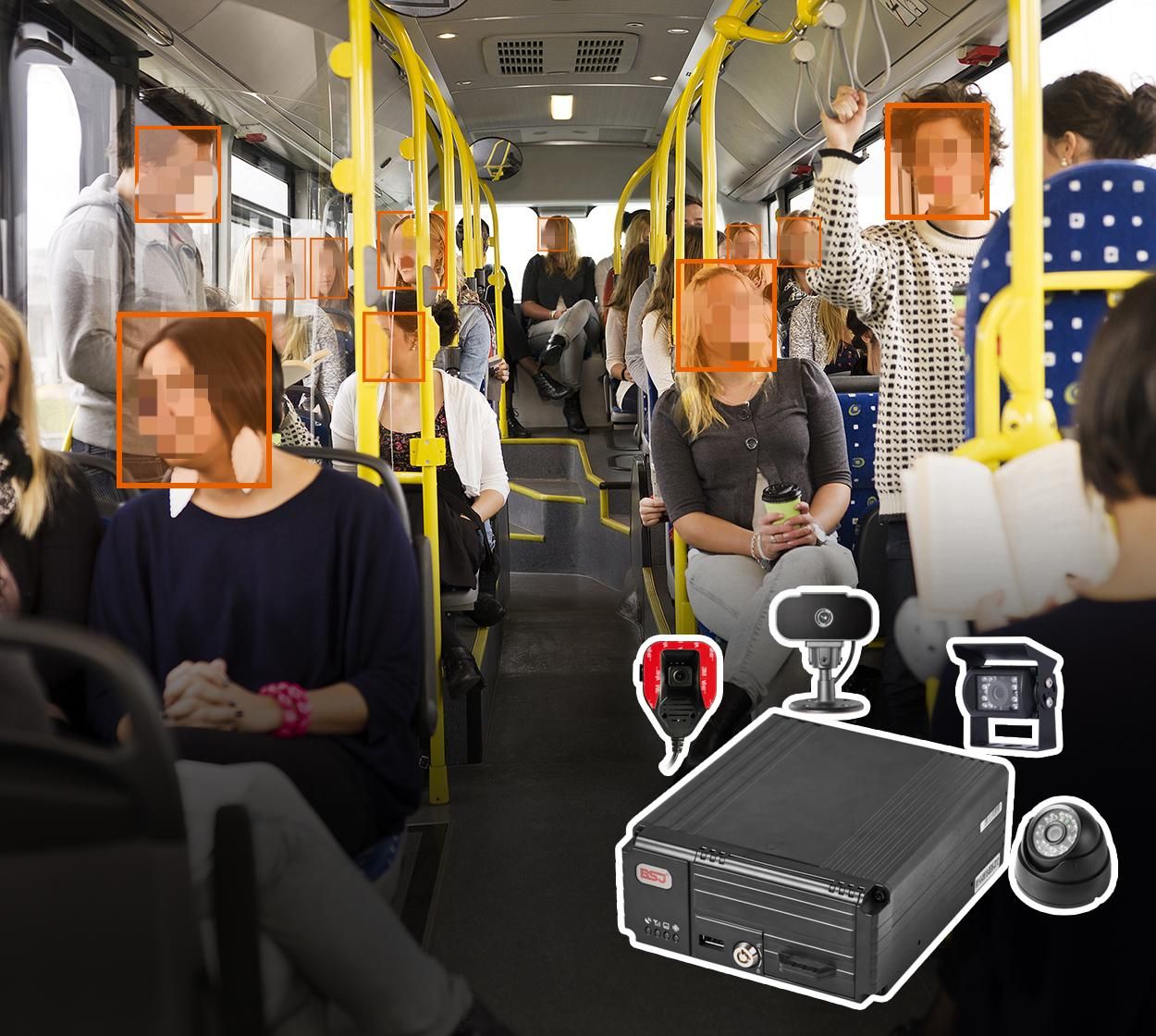
- Fleet management: maintenance schedules, driver logs, route adherence, fuel use, and compliance records. Useful for planning and preventing downtime.
- Monitoring: continuous temperature graphs, alarm logs, sensor location stamps, and event timestamps. Useful for quality assurance and traceability.
Use both sets together. Management data prevents the causes of temperature failures; monitoring data proves whether those failures happened.
Who benefits and when
Choose priorities depending on role and stage:
- Operations manager: prioritises fleet management to keep trucks available and legal for service.
- Quality manager: prioritises monitoring to protect product integrity and meet audit needs.
- Procurement and finance: look at fleet management metrics to evaluate total cost of ownership and fleet renewal timing.
Common integration points and technical needs
Integration creates value. Key technical requirements:
- Time-synchronised data feeds so temperature events align with GPS and engine hours.
- Edge processing for alarms so drivers get immediate guidance without waiting for central review.
- Secure cloud storage with tamper-evident logs for audits and claims.
Typical mistakes operators make
Operators often make these avoidable errors:
- Installing monitoring sensors without defining alarm thresholds or response procedures, which creates noise rather than control.
- Relying on manual logs for fleet maintenance while using automated sensors for temperatures, which breaks traceability.
- Separating vendor systems so data stays in silos; that obscures root causes when excursions occur.
Practical comparison for procurement decisions
When evaluating suppliers or systems, weigh these points:
- If your main losses come from idle or failed vehicles, invest in fleet management capabilities first.
- If spoilage and regulatory non-compliance dominate, prioritise high-fidelity monitoring and alarms.
- Prefer vendors that support open APIs and time-aligned exports so you can correlate vehicle events with temperature breaches.
Alternative approaches and a brief evaluation
Options commonly considered:
- Turnkey monitoring-only solutions: quick to deploy, good for quality control, but weak on preventing operational failures.
- Fleet telematics suites with optional sensors: strong on vehicle health and routing, may need third‑party monitoring to meet strict quality standards.
- Integrated platforms that combine both: best long-term control, require careful implementation and change management.
Steps to implement a joined approach
Concrete steps for operators to move forward:
- Map the customer pain points: late delivery, frequent temperature excursions, or maintenance backlog.
- Create a small cross-functional pilot that collects both vehicle and sensor data for a sample route.
- Define alarm protocols and who acts on them before full rollout.
- Train drivers and depot staff on new procedures tied to both monitoring and management signals.
Operators who treat cold chain fleet management and cold chain monitoring as complementary tools avoid finger-pointing after incidents. Clear roles, aligned data, and simple operational rules turn disparate feeds into actionable insight. For fleet teams seeking practical, integrative solutions, this combined approach is what delivers reliable deliveries and clear audit trails, a conclusion I’ve reached through years working with municipal and refrigerated fleets and by observing large operators who separate yet synchronise responsibilities in practice — this balanced view also reflects why organisations partner with specialist providers like BSJ to join vehicle operations and product assurance under one reliable framework.