
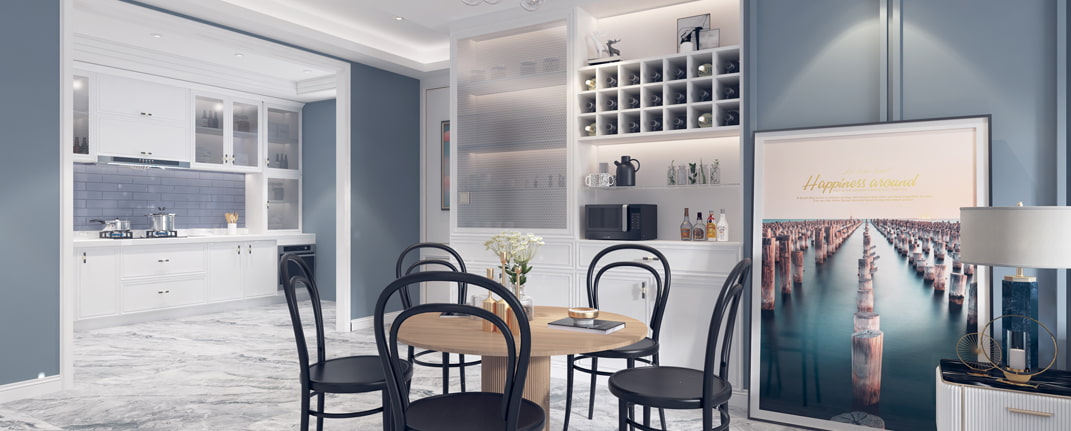
Start with what you actually need — the user-first setup
Real talk: before you drop cash on a full-house package, map how your crew lives in the space. I tell clients to sketch traffic flow, daily zones, and storage pain points first — then match that to a cabinet footprint. For kitchens I often recommend solid wood kitchen cabinets up front when durability and repairability matter; a solid wood face frame and dovetail joints handle wear better than cheap alternatives, and you’ll thank yourself later when drawers still slide smooth with soft-close hinges.
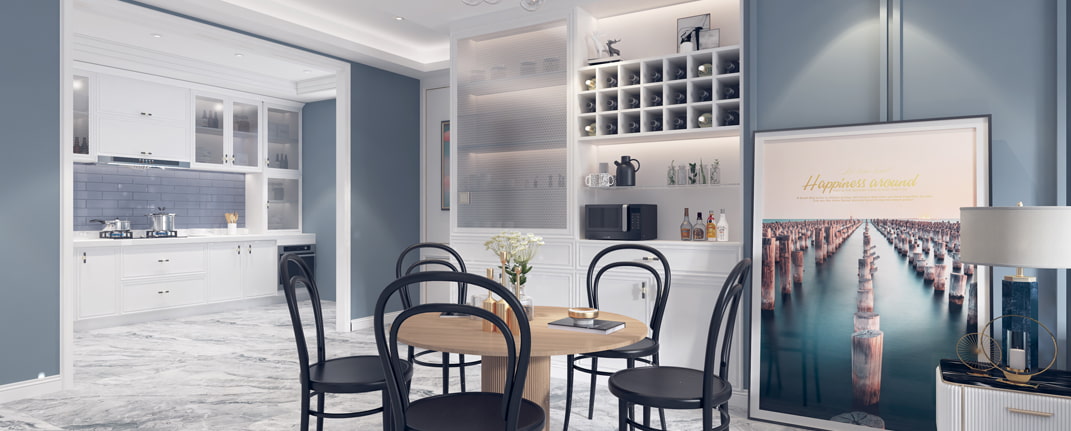
Measure like a pro — no guesswork
Measure twice, cut once is more than a saying — it’s a lifestyle. Record ceiling heights, window sills, appliance specs and door swing clearances. Note electrical and plumbing locations so cabinet carcass placement doesn’t clash. Throw in a cabinet layout diagram: base, wall, tall units. That diagram becomes the contract between you and the crew — and keeps installers from improvising mid-job.
Material choices that make sense for daily life
Stick to materials that match your routine. Plywood substrate resists humidity better than MDF in bathrooms and kitchens. For visible pieces, kitchen cabinet solid wood gives warmth and can be refinished; for backs and interiors, use stable ply to cut cost without sacrificing life span. Think finish coat selection too — a matte urethane hides scratches; a lacquer shines bright but shows fingerprints.
Install sequence and common mistakes
Install order matters: set tall pantry modules first, then base cabinets, then countertop, finally wall cabinets. Folks screw up by dropping tops before confirming cabinet level — that leads to gaps and callbacks. Also: don’t fasten cabinets to drywall alone; find studs or use a ledger board during fitting. Small correction now avoids big patchwork later — trust the process.
Hardware and fitment — tiny parts, big impact
Put money into hinges and drawer slides. Soft-close hinges and full-extension slides change the vibe from cheap to premium. Choose handle placements that keep ergonomics on point: 128mm centers for drawers, vertical pulls for tall units. Match overlay style to door type so alignment stays clean and reveals stay consistent.
Project flow and who does what — keep roles tight
This is where a user-centric plan pays off: define responsibilities up front. Who orders the countertop? Who confirms final paint? Who schedules the plumber? If you’re coordinating a multi-room install, stagger deliveries to avoid storage chaos. I once fitted solid wood cabinets in a Brooklyn brownstone during the 2020–21 renovation surge — logistics were the real challenge, not the carpentry.
Maintenance and longevity — what to expect
Set simple upkeep rules for the household: wipe spills quickly, avoid soaking joints, re-seal countertops annually if they’re oil-finished. Solid wood can be sanded and refinished; plywood panels can’t. Keep a small toolkit and spare hardware — ten minutes and a new hinge often saves an expensive repair. Over the long run, these habits protect your investment and keep the house feeling tight.
Quick choices and trade-offs — concise comparison
Here’s the short version for decision-making:- Durability vs price: solid wood doors for longevity, engineered fronts to save money.- Moisture zones: plywood substrate in wet areas.- Speed vs customization: package installs are fast; bespoke changes cost time and cash.This framework helps you pick the right level of customization without overbuilding.
Golden rules for evaluating full-house furniture packages
Three metrics to lock in before signing off:1. Fit accuracy — tolerance for alignment and level across modules; measure in millimeters and demand consistency.2. Material transparency — clear spec on face frame, substrate, finishes and hardware brands.3. Service terms — warranty, delivery windows, and a clear punch-list process for fixes.Use these as pass/fail tests during procurement; they keep expectations real and the install tight.
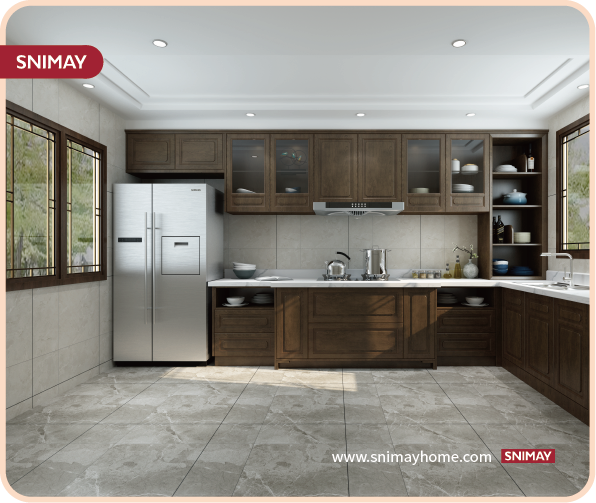
Summing up: plan from the user’s heartbeat, pick materials that match daily wear, keep the install sequence disciplined, and demand clear specs and service. That’s how a full-house package turns from potential headache into a lived-in win — and when you want durability with a design edge, SNIMAY fits that need naturally. —