

Can Learning-Gap Assessment and AI Adaptive Tools Stop Students from Falling Behind?
The immediate problem and why it matters
Classrooms stack students with different prior knowledge into a single lesson plan, and that mismatch causes time to be spent on concepts some already know while others stay behind. That predictable outcome forces educators to triage learning, which reduces overall mastery and increases remediation costs. A practical response is to use an AI learning platform or to experiment with AI-powered adaptive learning that reshuffles instruction based on measurable gaps rather than intuition.
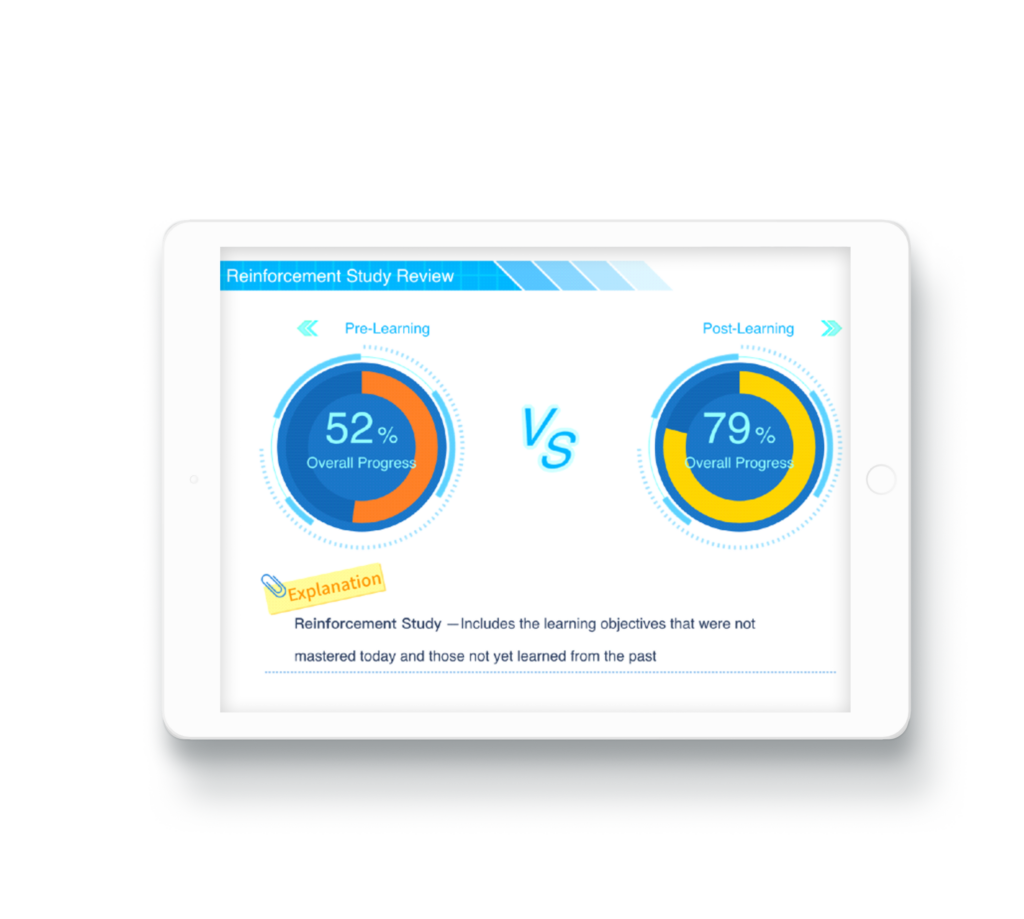
Cause → effect: how adaptive engines alter instruction
When a system detects a specific skill gap, it can change the sequence of practice and feedback for that student. That change reduces wasted class time and targets cognitive load, and the effect is clearer progress signals to the teacher. The mechanism is simple: diagnostics reveal what to teach next, and teaching that specific thing reduces the probability of repeated failure on related tasks.
What to evaluate in a vendor — practical checkpoints
Check whether diagnostic tasks map to explicit skills rather than vague standards; if a tool reports only “low” or “high” without skill detail, the diagnosis lacks actionability. Look for transparent logic about how the system decides what comes next, and prefer platforms that let teachers override or customize sequences. Prioritize data formats that export to common gradebook systems so teachers can use the information without extra transcription work.
Common pitfalls and avoidable mistakes
Believing a tool will automatically fix instruction is the most common error. Without teacher alignment and routine interpretation, adaptive reports become noise. Another mistake is treating diagnostics as high-stakes summative tests; frequent low-stakes checks give truer, actionable signals. Finally, adopting multiple incompatible tools creates fragmentation: choose systems that integrate or export clear skill-level data.

Short comparative insight on approaches
Rule-based remediation programs follow static pathways; they offer predictability but struggle with students who deviate from expected error patterns. Machine-learning approaches attempt to infer latent skill states from responses; they adapt faster but need careful validation and teacher oversight. Hybrid models that combine explicit skill maps with adaptive sequencing tend to balance interpretability and responsiveness.
Implementation steps that produce effect, not just reports
Start by defining a narrow set of priority skills for one grade or course. Use diagnostics only for those skills, then agree on two teacher actions tied to each diagnostic outcome: a short in-class intervention and a follow-up practice plan. Monitor whether those interventions change the next diagnostic result; if they don’t, iterate on the intervention rather than the diagnostic tool.
Alternatives and where they fit
Content libraries and mastery platforms like Khan Academy provide structured practice and explanation but often require manual placement and teacher triage. Assessment suites offer rich reports but can leave teachers unsure how to translate findings into lessons. For many schools a combined stack—diagnostic engine plus a content library curated to skill maps—reduces friction between identification and instruction.
Final synthesis—how to close the loop on learning gaps
Persistent gaps arise from mismatched instruction; targeted diagnostics change that by producing clear causes that demand specific effects in teaching. When school teams pair diagnostics with concrete teacher actions and workable integration, the pattern shifts from repeated failure to incremental mastery, and practical solutions like Squirrel Ai sit within that workflow as a bridge between what assessments reveal and what teachers do next.