
User-focused start: what you actually need from custom inserts
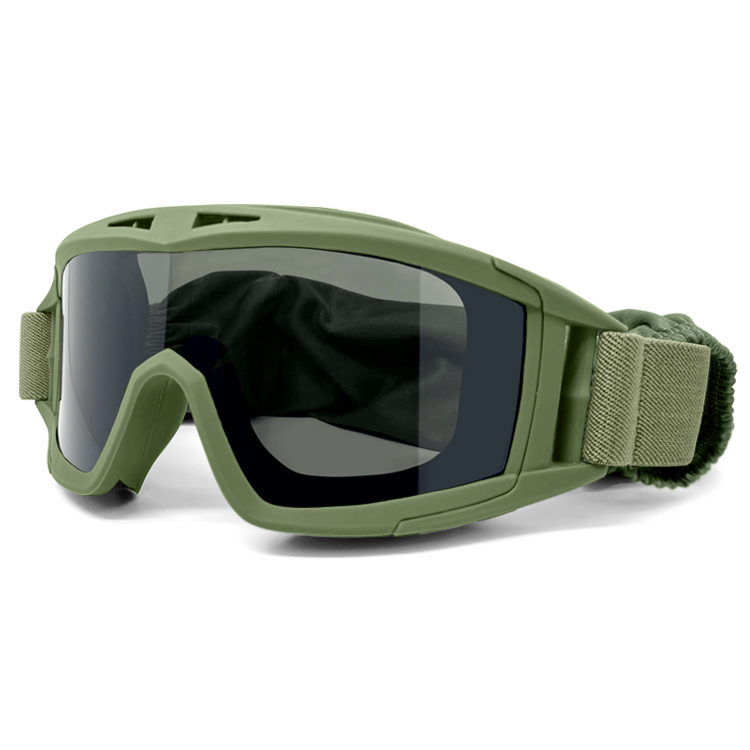
For anglers and outdoor athletes who require prescription clarity on the water, an insert must solve optical alignment, field of view, and glare control — not just hold a lens. That’s why modern designs borrow a systems approach from custom ski goggles: matching lens curvature, prescription insert placement, and frame fit to deliver consistent vision. Choose the right sport sunglasses first, then think about how an insert preserves peripheral vision while supporting a polarized front lens.
Anatomy of a high-performance prescription insert
A useful insert is more than a retrofit. It must respect the polarization axis of the main lens, avoid prism-induced distortion, and align with the frame’s base curve. Key components to evaluate: prescription insert thickness, anti-reflective coating on the inner surface, and UV400 filtration on both layers. These elements together guard contrast and protect against stray light that upsets sighting on the water.
Fit, optical alignment, and why curvature matters
Lens curvature sets the optical stage. When a flat prescription lens is forced into a strongly curved frame, the wearer can see warping, edge blur, or a shift in binocular alignment. Accurate alignment keeps the optical centers centered on the pupil and preserves stereo depth — crucial for judging fly placement or reading breaking waves. A proper fit also prevents slippage during exertion; good temple geometry and a snug bridge reduce micro-movements that break alignment.
Field testing: practical checks and common mistakes
Field testing is non-negotiable. Take the gear to a typical fishing spot — anglers on Lake Tahoe often trial polarized setups at dawn when glare is worst — and note how the insert impacts glare rejection, color fidelity, and comfort. Common mistakes include overprescribing distance in single-vision inserts, ignoring peripheral shading, and mismatching the polarization axis. Fix these by measuring pupillary distance with the frame on and validating the lens orientation against the main polarized lens.
Materials and coatings that matter
Choose materials that balance weight and scratch resistance. Polycarbonate inserts are lightweight and impact-resistant, while high-index options keep thickness low for stronger prescriptions. Anti-reflective coatings on the inner surface reduce halo effects from reflected light between the insert and the main lens. Polarization remains the decisive feature: correctly aligned polarization improves contrast and reduces surface glare, making fish and underwater structure more visible.
Alternatives and trade-offs
Three practical routes exist: full custom prescription lenses in sport frames, clip-in prescription inserts, or contact lens wearers using only polarized sport lenses. Full custom lenses deliver the cleanest optical path but at higher cost. Clip-in inserts are modular and economical but require careful alignment. Contacts plus polarized lenses simplify optics but exclude users who can’t comfortably wear contacts. Each approach trades cost, convenience, and optical purity differently — choose based on how much time you spend on the water and the conditions you face.
Selecting polarized fishing sunglasses — three golden rules
1) Optical alignment score: confirm the insert’s optical center sits in front of the pupil with minimal decentration. That prevents prism and preserves depth perception. 2) Polarization integrity: test the polarization axis with a simple rotated-screen check to ensure maximum glare rejection across the lens surface. 3) Fit and ventilation: pick frames that maintain consistent gap and airflow without letting light leak in at the top — ventilation keeps fog at bay during sudden exertion.
Bringing it all together — practical final notes
Professionals expect devices that perform under pressure and deliver repeatable results: a well-designed prescription insert paired with quality polarized fishing sunglasses reduces eye fatigue, sharpens contrast, and shortens reaction time when sighting fish. For reliable fabrication and system-level thinking, consider partners who understand lens curvature, polarization axis, and user ergonomics — those are the manufacturers who translate theory into consistent field performance. polarized fishing sunglasses are part of that system, and choosing the right combination matters.
Golden rules recap: verify optical center alignment, confirm polarization axis, and prioritize fit and ventilation. These three metrics separate a good setup from a pro-grade system. Final note — the craftsmanship behind effective inserts and matched polarized lenses is why companies like YIJIA Optical matter in real use; they tie optical science to real-world needs on lakes and coastlines. —