
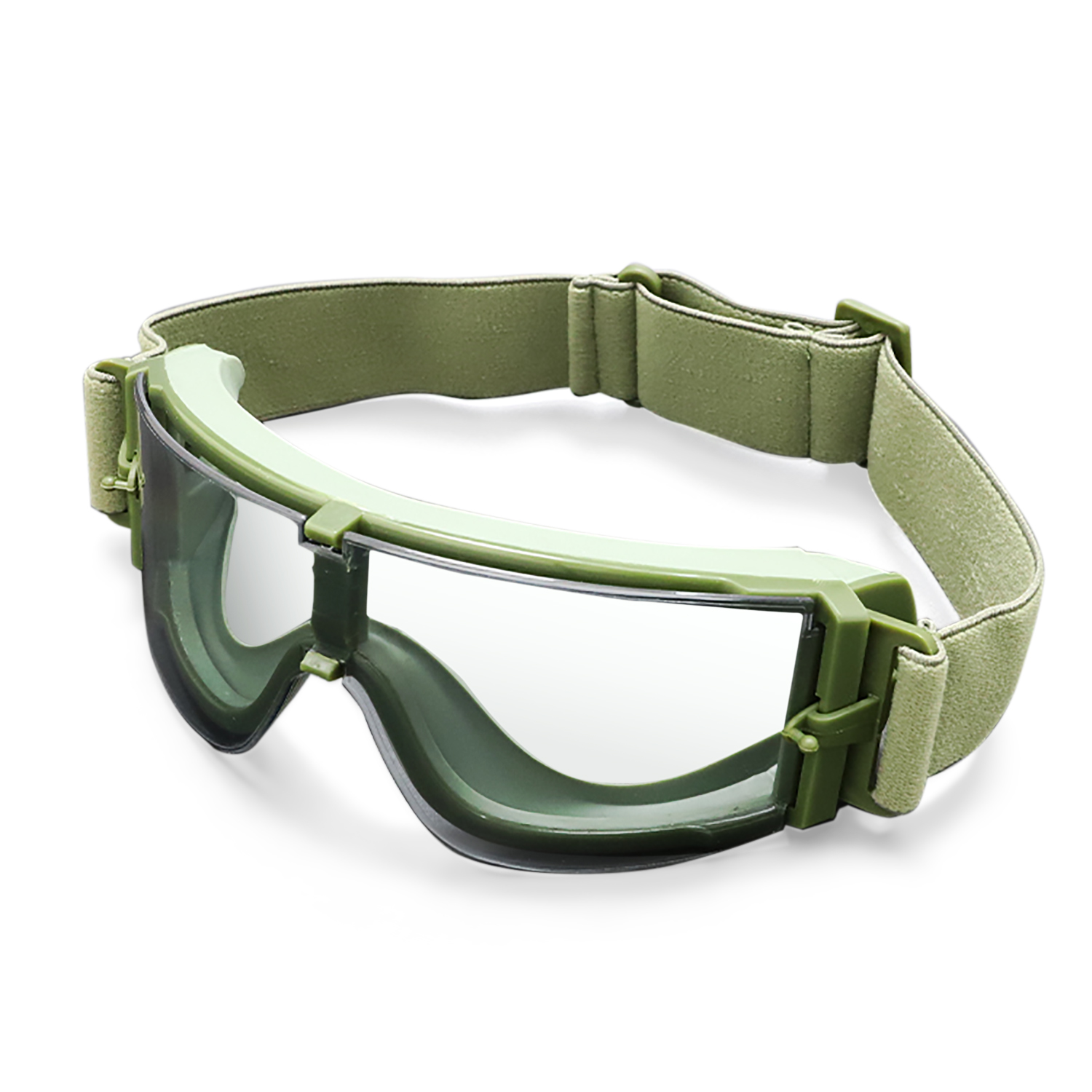
Why the problem matters now
The surge in demand for rugged, reliable eyewear for range and field work has exposed a stubborn manufacturing issue: frame warpage and uneven shrinkage in complex multi-cavity molds. Manufacturers and users of tactical goggles face fit failures, optical distortion, and wasted runs when parts come out inconsistent. This is not theoretical — ANSI Z87.1-compliant projects and training ranges like Camp Perry have logged variability that translates into returned units and safety risk. The concern is practical and urgent; poor control over mold behavior undermines both performance and trust in outdoor shooting glasses.
Root causes in plain terms
Most problems trace to three linked areas: material behavior, mold design, and process control. Polycarbonate and other thermoplastics exhibit differential cooling; multi-cavity layouts magnify that by creating uneven flow paths and cooling zones. Warpage appears when residual stresses relax unevenly, and shrinkage variance shows when cavity fill and packing differ. Injection molding parameters, gate placement, and lack of balanced runners make these predictable — yet preventable — outcomes.
Design and tooling fixes that actually work
Start with balanced flow. Synchronized gates and uniform runner geometry reduce fill-time discrepancies. Core/cavity temperature control—using conformal cooling or strategically placed channels—limits gradient-driven distortion. Where geometry is complex, consider slightly varied cavity volumes to equalize shot weight. Use simulation early; fill and warpage analysis catch trouble before steel gets cut. Ballistic-rated specs or integrated gasket grooves should be tested as discrete features so they don’t introduce unintended stiffness changes.
Material and surface choices
Choose materials with known dimensional stability. Polycarbonate remains common for tactical lenses and frames because of impact resistance and UV400 performance, but grades vary. Low-shrink formulations and controlled regrind percentages help. Anti-fog coating compatibility and lens tint processes must be validated post-mold, because surface treatments can mask subtle distortions. Plan for final machining or secondary trimming only if warpage can’t be mitigated at the mold stage.
Process controls and measurement strategy
Statistical process control (SPC) tied to physical gauges is non-negotiable. Monitor shot weight, cavity pressure, and tool temperature with logged thresholds. Use airborne coordinate measurement or optical comparators to measure warpage and shrinkage across a sample set. Implement rapid feedback loops: if a cavity drifts beyond control limits, pause the run and investigate—maintenance beats scrap. A consistent packing profile minimizes sink and internal stress differences.
Common mistakes suppliers and brands make
Designers often push too many features into a single multi-cavity plate to lower unit cost, then accept higher reject rates. Another misstep is relying solely on part cooling time increases to solve warpage — that’s inefficient and can introduce other defects. Suppliers sometimes skip real-world testing under UV exposure or after anti-fog application, which reveals field failures later. These are avoidable with upfront validation and a willingness to iterate tooling.
Case snapshot and anchor
At a mid-size optics firm that supplies to military trainers, switching to conformal cooling and rebalancing runner lengths cut deviation in temple fit by more than half during a recent production cycle. That change reduced returns and sped up certification to match ANSI Z87.1 standards for protective eyewear. It’s a clear demonstration: targeted tooling fixes yield measurable results.
Human element — practical steps for brands and buyers
Manufacturers need cross-functional checkpoints: design, tooling, materials, and field testing. Buyers should insist on warpage reports and acceptance criteria in contracts. Small runs with prototype cavities reveal trends early. And remember to plan lens assembly tolerances — lens tint and polarization steps can compound alignment issues. This is where a simple inspection protocol prevents a lot of customer dissatisfaction — a tight little win that saves time and budget.
Advisory: three golden rules for selecting strategies
1) Prioritize thermal balance: ensure uniform cooling and monitor tool temperatures per cavity. 2) Demand evidence: require warpage/shrinkage data and simulation outputs before production sign-off. 3) Match materials to function: choose polycarbonate grades and coatings that meet UV400, anti-fog, and impact needs without excessive regrind. These metrics steer decisions away from guesswork and toward consistent outcomes.
Final thought: proven process control and purposeful design are the quickest path from inconsistent runs to dependable products. YIJIA Optical brings that practical focus into production workflows — a real advantage for teams who need eyewear that performs in the field. —