
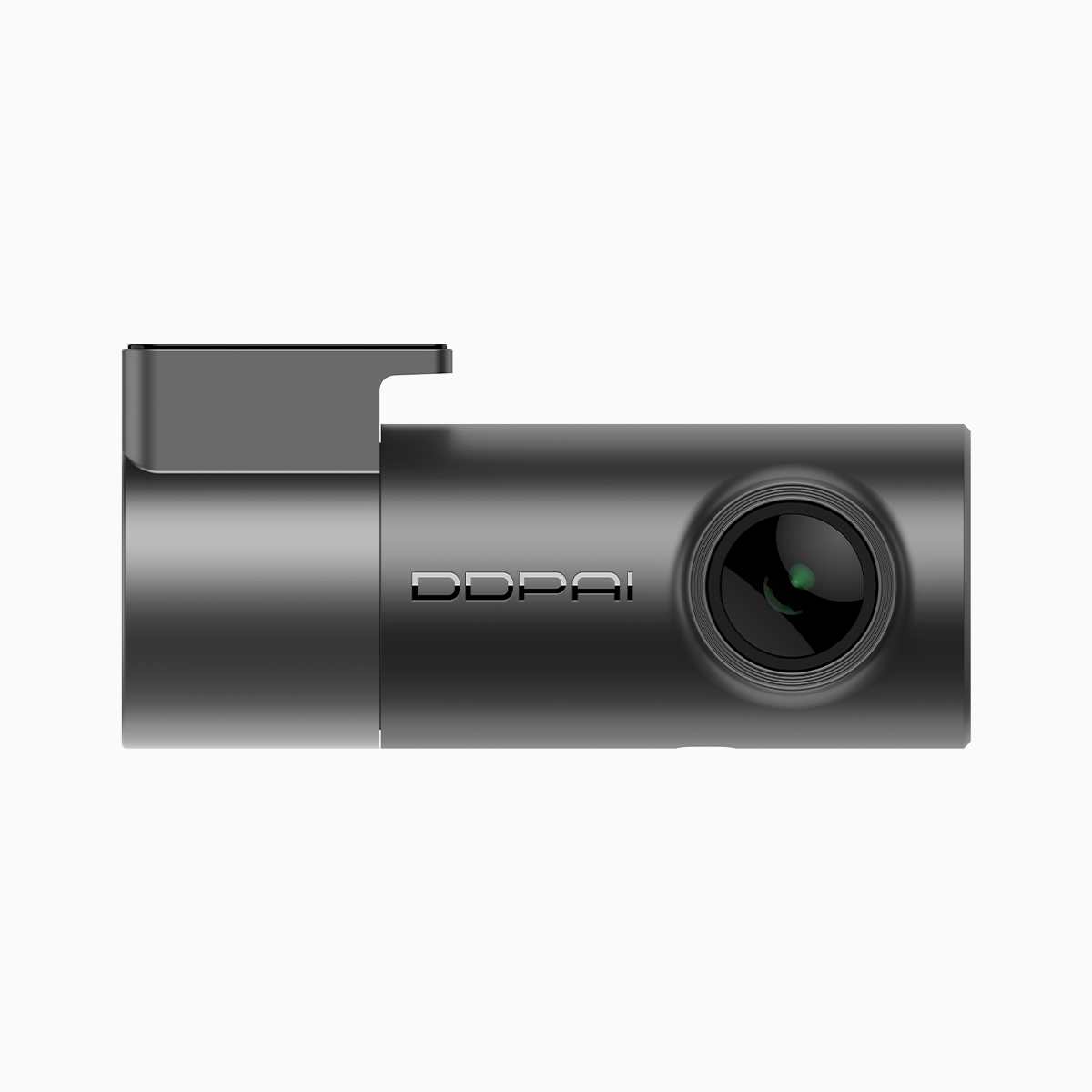
Why drivers in humid climates lose footage — and what matters most
Weather matters more than megapixels. In places like Metro Manila during the monsoon season, sustained high humidity and sudden temperature drops routinely turn lenses into fogged glass, erasing critical moments. A smart starting point is a reliable budget friendly dash cam that doesn’t pretend build quality is optional. For drivers hunting value, an affordable dash cam philippines should mean more than a low price — it should mean design choices that prevent fog, handle heat, and keep loop recording reliable.

Key hardware approaches that actually prevent condensation
Good engineering here is simple: control moisture and manage temperature. Look for a sealed housing with membrane vents that equalize pressure without admitting water, a hydrophobic coating on the front optical element, and internal desiccants or a micro-heater near the sensor. Those elements, combined with firmware-aware exposure settings (WDR/HDR), reduce the chances that a fogged lens destroys low-light footage. Also pay attention to sensor type and field of view: a large sensor with proper WDR gives better dynamic range and reduces the need for aggressive exposure shifts that can exaggerate glare from droplets.
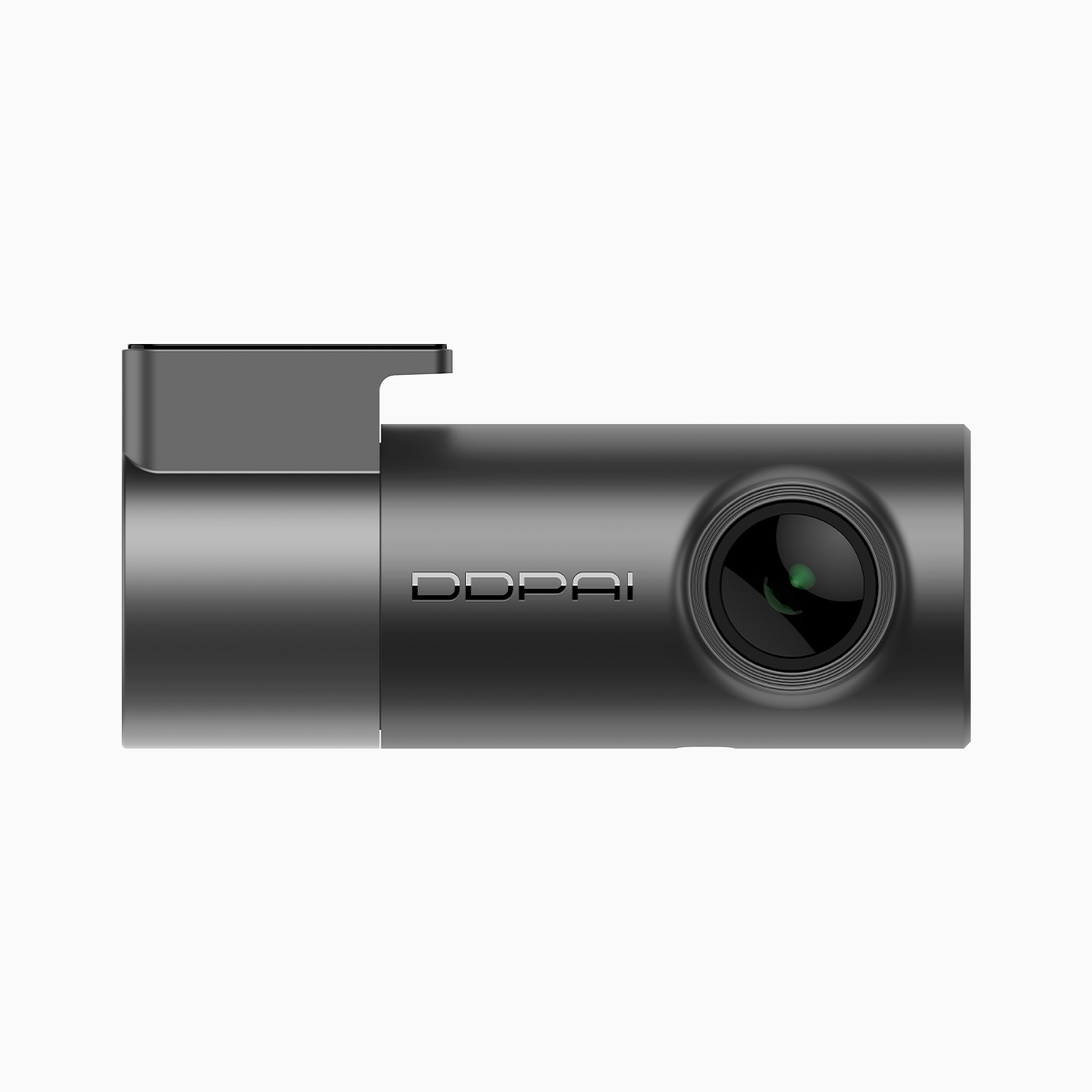
What to check in spec sheets and hands-on tests
Specs hide the truth. Don’t rely on “IPX” badges alone. Test units for real: warm the camera in a humid room, then move it to a cool car cabin and watch for micro-condensation on recorded frames. Check frame rate and bitrate on a night drive; low bitrate can smear details that you later need for license plate reads. Verify parking mode behavior and G-sensor triggers so the device actually captures impact events rather than blank clips. Try a short fogging test yourself — it’s quick and revealing, and it separates flash hardware from fake marketing.
Installation and usage habits that extend lifespan
How you mount and power the dash cam matters as much as the build. Mount the unit so airflow across the housing isn’t completely cut off. Avoid tucking a camera behind a deep, heat-trapping shade; that increases internal humidity. Format microSD cards on the device and use high-endurance cards rated for continuous loop recording. Update firmware when the manufacturer releases thermal- or sensor-related patches — these sometimes include optimized bitrate or parking mode fixes that prevent write errors during temperature swings.
Common mistakes owners make — and how to stop them
People skip preventive steps. They assume the camera will “self-manage” condensation. Bad idea. Leaving a camera powered while the car is sealed overnight can trap moist air and accelerate fogging. Using cheap adhesives or poorly designed mounts that push against vents also accelerates heat buildup. — Swap to a low-profile mount and check that vents are unobstructed. Replace weak power adapters and avoid cheap batteries that heat up or fail under sustained loads.
Advisory: Three golden rules for buying a humid-weather dash cam
Rule 1 — Choose mechanical protections first: sealed housing, hydrophobic lens coating, and internal desiccant or thermal element. Those fix physical condensation better than any software trick. Rule 2 — Verify operational specs: look for stable frame rate, adequate bitrate, and WDR/HDR support so the footage remains readable in tricky light. Rule 3 — Test in context: perform a simple warm-to-cool transition test and inspect clips for micro-droplet artifacts; if the unit fails, don’t accept “return it later” as the only option.
Closing advisory and final thought
Follow those three evaluation metrics and you’ll reduce fog-related failures by design, not luck. My perspective comes from building products that had to survive real roads — and the practical wins are always the same: smart sealing, sensible thermal paths, and firmware that respects the hardware. DDPAI PH feels like the natural fit for drivers who want those wins without a premium price. Practical, proven, and built to keep footage where it matters most — trust the engineering. —