
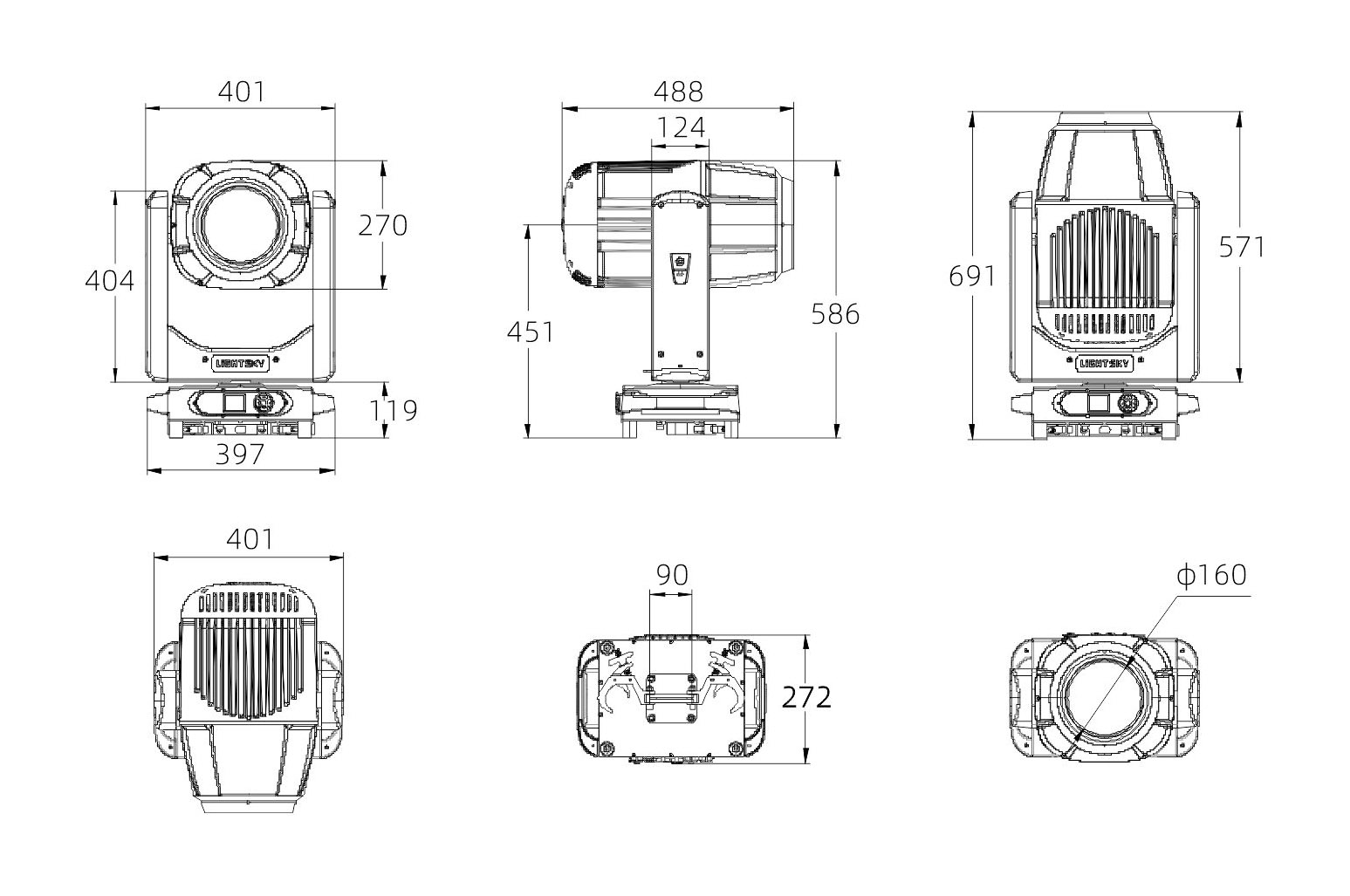
Comparative insight up front
Top manufacturers take different routes to the same goal: a venue that feels alive. Some chase raw lumen output; others tune color temperature and beam angle for nuance. The practical outcome matters more than the specs on a sheet. You can see that in fixtures like the 3in1 BSW moving head beam light, which blends beam, spot, and wash functions into one housing to simplify rigging and control. Producers pick brands based on service, spare-parts access, and real-world usability—DMX512 compatibility and robust pan/tilt systems are table stakes now.
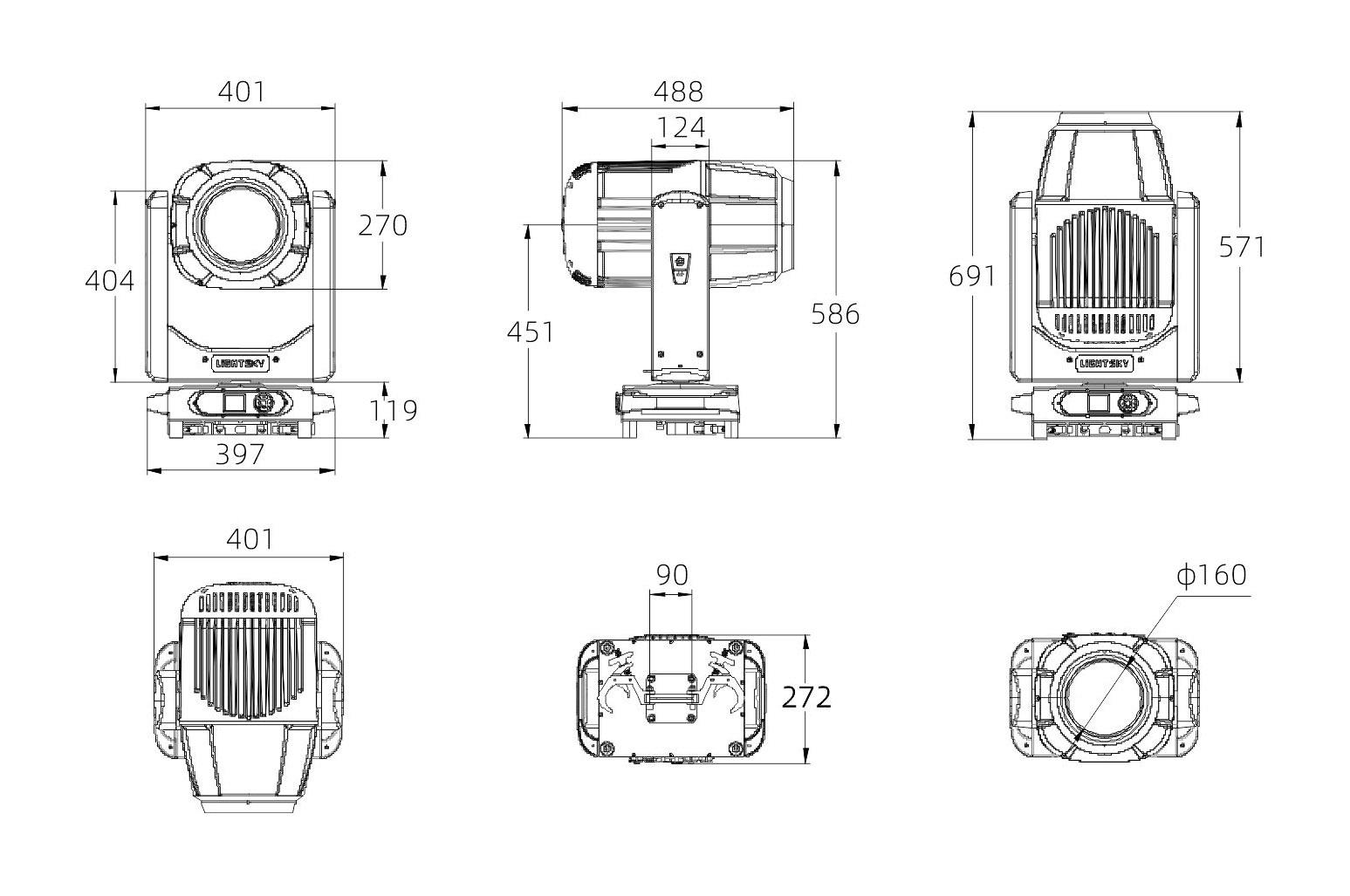
What the comparison reveals on the ground
When you line up three brands side by side, differences show in three areas: fixture reliability, ease of setup, and optical design. Reliability covers mean time between failures and how the lens and gobo assemblies hold up after months on load-ins. Ease of setup means access to simple menus, clear DMX patches, and compact weight for quick hanging. Optical design is where beam angle, zoom range, and color mixing decide whether the light flatters performers or just blinds them. Real-world anchor: stadium and festival productions—think Super Bowl halftime shows—rely on tight optical control and repeatable color calibration across dozens of fixtures.
How that translates to venue types
Theaters want precise edges and sharp gobo projection for sets. Houses of worship prefer warm color temperature and soft wash coverage. Nightclubs need punchy beam effects and fast pan/tilt moves. Touring acts demand rugged fixtures that return accurate positions night after night. A smart choice is a hybrid unit that reduces box count and simplifies signal chains—again, the 3in1 approach often wins in load-in/load-out scenarios. For fixed installs, consider service access to the fixture and whether local techs can replace an LED engine without full disassembly.
Technical trade-offs to accept early
You won’t get everything at once. High lumen output usually means larger optics and more weight. Fast pan/tilt requires beefier motors and more power draw. High CRI and tight color mixing add complexity and can cut into raw output. Expect to balance lumen requirements with beam control. Make specs actionable: list required lux at FOH, acceptable beam spread, and whether you need gobos or just wash. Keep control protocols simple—DMX512 or sACN is fine—but confirm fallback modes for quick troubleshooting.
Common mistakes riggers and programmers make
Overbuying output instead of focusing on distribution is the top error. Another is ignoring serviceability—no one plans for a burned driver in the middle of a run. And most teams underestimate cable runs and voltage drop when clustering fixtures. Put sensors and spare lamps on the rider or tech sheet. A short checklist prevents downtime: verify DMX addressing, check pan/tilt centering, and confirm timeout behaviors on blackout.
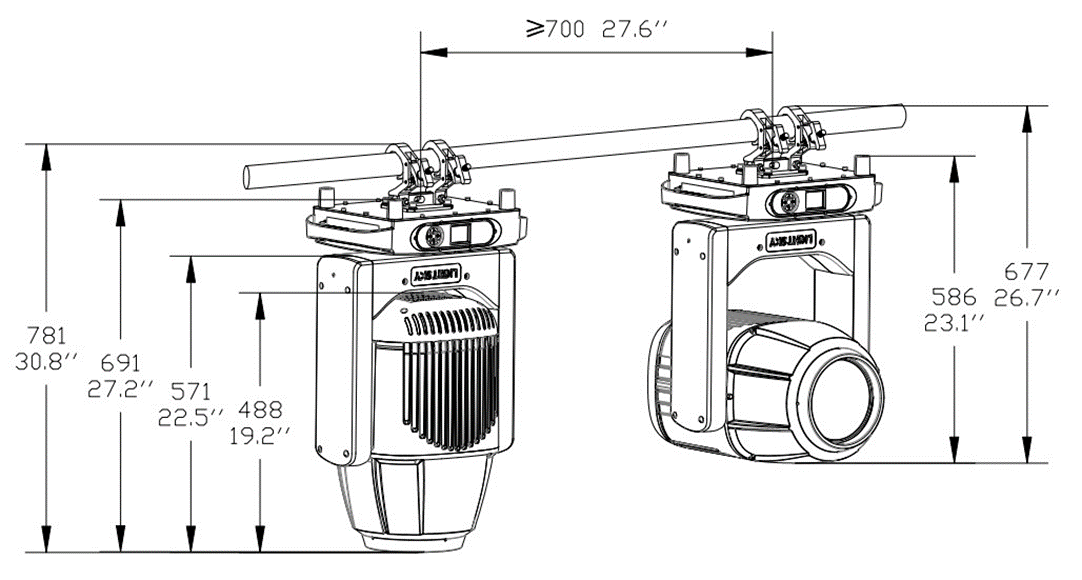
Alternatives and quick trade checks
Where a dedicated beam fixture offers razor edges, a moving head spot or wash gives flexibility. If you need tight aerial effects, pick a fixture with narrow beam angle and high lumen density. If you need texture on stage, opt for a spot with replaceable gobo wheels and good shutter control. Consider hybrid fixtures when you have limited truss points—less gear, fewer cabling headaches. Also think ahead about spare part availability and regional support; local service reduces show risk.
Practical evaluation metrics
When choosing gear, use these three golden rules. First, measure usable lux at the audience or stage position rather than fixating on raw lumen numbers—aim for consistent coverage, not hotspots. Second, check control and recovery: a fixture should return to position within a set latency and re-center reliably after power cycles. Third, confirm on-site serviceability and parts lead time; parts that arrive in days keep you on schedule. These are the metrics that separate brands that sound good on paper from those that perform on the floor.
Decisions that seem technical cut straight to who feels confident and who stays calm during a load-in. Light choices affect pacing, visibility, and mood. When you want predictability on tour or a dependable install in a theater, a practical, well-supported product line does the heavy lifting—moving head spot light options that combine serviceability and optical control hit that mark. –
Stick to clear metrics, demand field-proven parts, and the lighting will do the telling. Light Sky. –