

Introduction — why wardrobes matter in a home’s visual story
This comparative article examines how wardrobe makers influence a home’s cohesive aesthetic, with attention to craft, function, and finish. In many compact Tokyo apartments the wardrobe becomes a focal plane that sets color, texture, and scale for adjoining rooms; makers who provide custom home furniture often control that narrative. The comparison that follows contrasts different manufacturing approaches so readers may choose a clear direction for their interiors.

Design language: proportion, palette, and hardware choices
Wardrobe manufacturers translate interior concepts into measurable elements. Proportion rules dictate door heights and shelving depths. Palette decisions—matte laminate versus wood veneer—set the room’s warmth. Hardware fittings, such as concealed hinges or metal pulls, determine perceived quality. When these elements align, the wardrobe reads as part of the room’s architecture rather than as an add-on.
Production approaches compared
There are evident differences between bespoke and mass-produced wardrobes. Bespoke makers employ panel construction and joinery like dovetail in drawer boxes to allow tight tolerances. Mass producers rely on CNC machining and melamine-faced boards to scale cost-effectively. Each has merit: bespoke gives tailored proportion and finish; mass production provides predictability in lead times and price. Understanding these trade-offs clarifies which path preserves your interior intent.
Material and finish: what visually links a wardrobe to the wider space
Finish choices are decisive. A satin veneer resonates with natural timber floors. High-pressure laminate reads as modern and durable. Finish laminate selection must match lighting conditions to avoid unintended glare. Durable surface treatments and careful color matching—often done through physical swatches rather than screens—create unity across built-ins and furniture pieces.
Case comparisons: examples from showrooms and small projects
Comparing two real-world examples helps. In urban showrooms, a modular system with consistent door profiles created a calm, linear backdrop. In a small custom project, a maker adjusted shelf spacing and integrated recessed lighting to echo the room’s rhythm. These differences matter: the former prioritizes repeatable components; the latter prioritizes site-specific harmony. Both approaches solve cohesion, but the visual outcome diverges in clarity and nuance.
Common mistakes and how manufacturers can prevent them
Clients often ask for exact color matches without approving large samples. That leads to mismatches under different lighting. Another frequent error is neglecting hardware scale—small knobs on large doors look weak. Manufacturers with clear specification workflows avoid these pitfalls: they provide full-size mockups, confirm door swing clearance, and specify hardware fittings early. This structured process reduces onsite surprises.
Choosing a home furniture manufacturer: comparative checklist
Selecting the right partner requires focused criteria. Consider lead time transparency, finish mockups, and joinery standards. Evaluate whether the maker supports modular upgrades or truly bespoke solutions. Also verify warranty terms and installation services. These practical checks ensure the wardrobe supports a coherent interior over time.
Advisory — three metrics to evaluate a wardrobe strategy
1. Visual Alignment Score: rate color and profile match across built-ins on a 1–10 scale during a full-size mockup.
2. Production Fidelity: confirm whether the maker uses CNC templates and panel construction for repeatability, or if artisans perform hand-fitted joinery—record tolerances in millimeters.
3. Service Continuity: measure lead time reliability and post-installation support history over at least two projects.
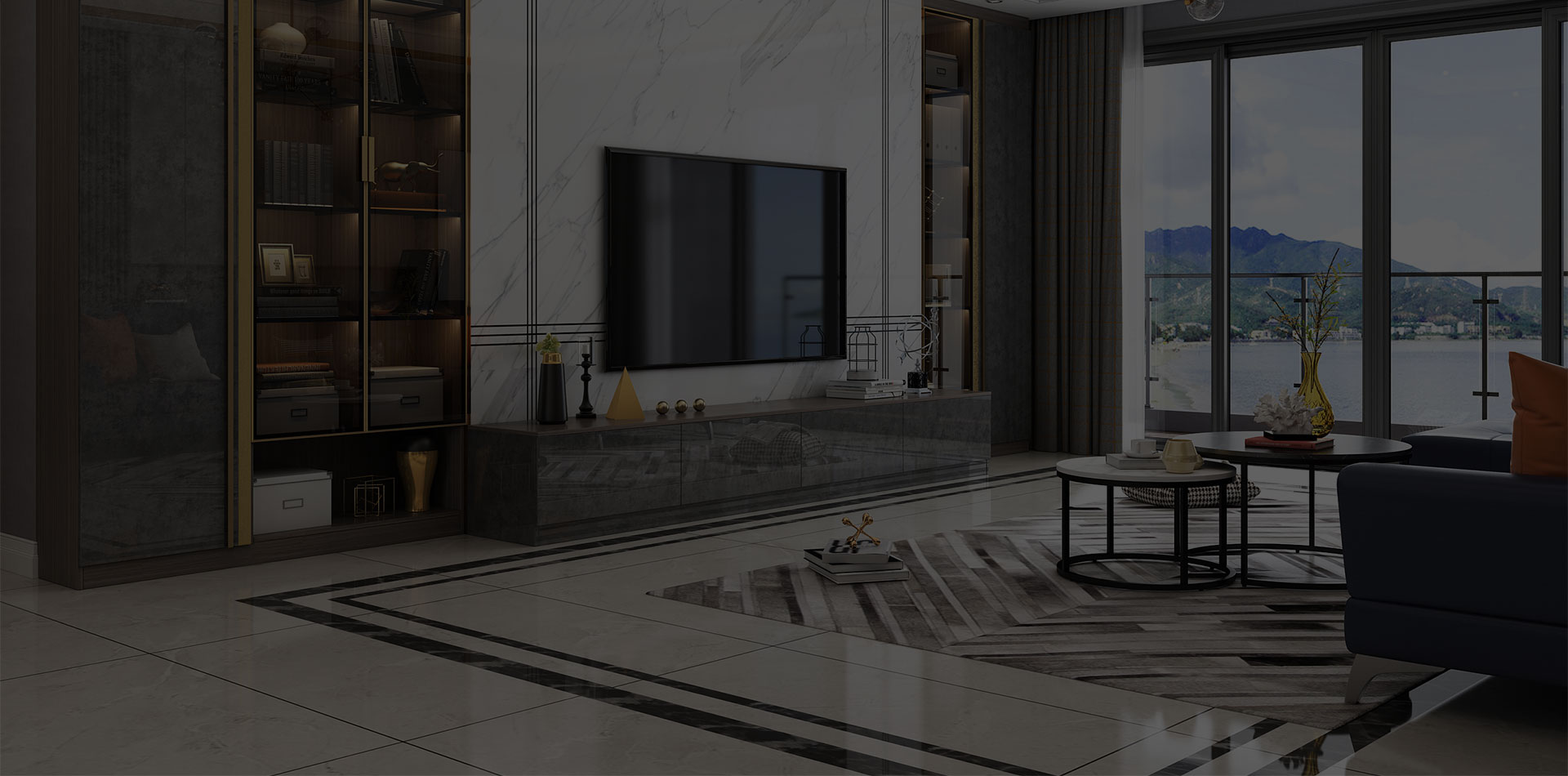
The comparative view shows that a measured partnership with a trusted home furniture manufacturer converts wardrobe decisions into lasting harmony. Practical metrics help you choose the right method for your space. —