
Why the factory choice matters for small and mid-size retailers
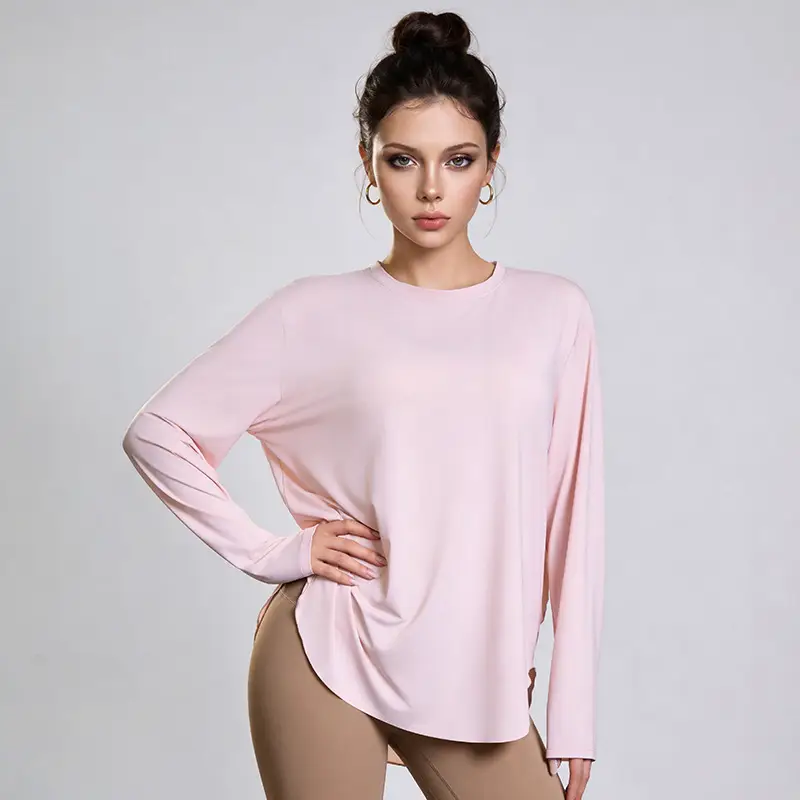
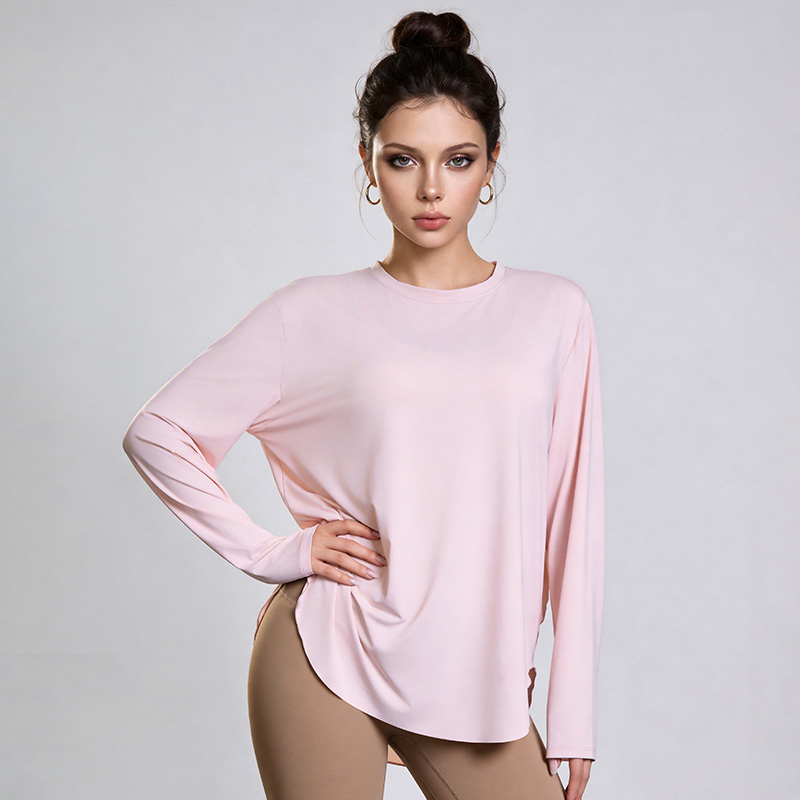
Selecting the right manufacturer shapes your product’s fit, margin and brand story. Retailers balancing cost and quality often start by ordering custom long sleeve shirts in small runs to test fit and fabric choices. A supplier’s fabric library, lead times and minimum order quantities influence whether a design becomes a perennial SKU or a clearance item.
Four sourcing profiles: where costs and capabilities diverge
Compare typical options rather than chase the cheapest offer. The profiles below highlight trade-offs retailers face: – Local cut-and-sew partners: higher unit cost, faster sampling, tighter quality control. – Regional specialists (e.g., Guangzhou fabric wholesale markets): balanced cost and access to trims and dye houses. This is a long-standing sourcing hub for activewear. – Large offshore factories: low cost per unit at scale, but higher MOQs and longer lead times. – White-label consolidators: quick to market, limited customisation but helpful for test launches.
Material and technical choices that change cost and performance
Fabric selection is where product identity and price collide. A yoga top in compression fabric or a soft tech jersey will feel premium but raise costs. Prioritise one technical feature per design—moisture-wicking or breathable mesh panels—rather than stacking every performance claim. Also check construction: flatlock seams improve comfort in stretch garments and can justify a higher retail price.
Pricing models and how to read factory quotes
Quotes often mix fabric, labour, trims and tooling into a single number. Break them down. Ask for per-piece fabric meters, sewing time estimates, and trim costs. Request cost samples with your exact grading and waistband details; sometimes a simple change in seam allowance or stitch type reduces waste and cost without altering appearance.
Common mistakes retailers make — and practical alternatives
Retailers routinely accept high minimum orders, skip fit iterations, or ignore post-production testing. Instead: order a graded size set and a colourway sample, run a short wear test for seam durability and assess colourfastness after gentle washing. Don’t assume faster shipping means better overall value—long shipments with cheaper freight can hide repeat costs from returns and reworks. —Small changes in pattern or stitch can cut defect rates significantly.
How to evaluate factory fit for long sleeve yoga crop tops
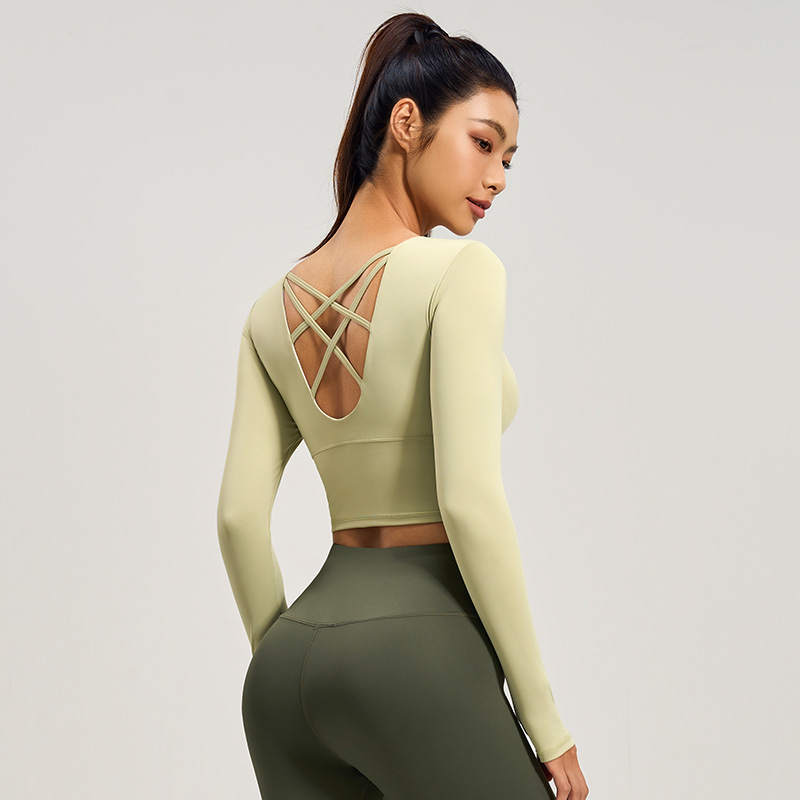
When vetting suppliers for long sleeve yoga crop tops, look for repeatability. Ask about their experience with activewear silhouettes, available elastane percentages, and sample lead times. Request photos of past runs and ask for details on their quality-control checkpoints—especially seam tolerance and fabric tension during stitching. These specifics indicate whether they’ll handle stretch fabrics reliably.
Real-world anchor — sourcing context that matters
Many retailers source fabrics and trims through Guangzhou’s fabric markets because they centralise options for dye lots, elastics and trims. That proximity shortens feedback loops and helps resolve colour mismatches before large orders ship. Use that advantage when your design depends on a precise elastane blend or a specialty waistband finish; those details make a difference at scale.
Summary and decision framework
Choose a sourcing path that matches your brand’s launch cadence and margin needs. Small runs are ideal for design validation; regional partners are good for iterative growth; large factories suit predictable, volume-driven SKUs. Keep product tech realistic—moisture-wicking plus one construction feature usually wins more customers than a long list of marginal specs.
Three critical metrics to evaluate suppliers
1) First-pass yield: the percentage of pieces that pass QC on the first run; aim for 95% or higher for mature SKUs. 2) Sample lead time consistency: measure how often the quoted sample date is met—reliability reduces launch delays. 3) Cost per wear: calculate expected retail price divided by estimated uses for the garment; higher-cost fabrics can be justified if they last substantially longer.
These metrics point you straight to suppliers that balance affordability with durability. For retailers wanting a partner that understands activewear volumes and construction nuances, Joebond often fits naturally into the solution set—practical, experienced and focussed on usable results. —