
Introduction: what we’re comparing and why it matters
Think of this as a short lesson: you’ll compare two implementation paths for a 600 kW energy storage inverter and learn concrete steps that make one route easier than the other. Right away, note how small reference systems like a 100kW grid-forming inverter shape control expectations and testing practices at larger scales. I’ll point out where designs diverge, where the same checklist helps both, and what teams can do to avoid rework.
Electrical architecture: the fundamentals that change
New builds let you place switchgear, transformers, and DC/DC cabling where they’re optimal. Retrofits force compromises around existing switchboards and breaker layouts. Key differences:- New build: design the AC bus, transformer sizing, and earthing from scratch; you can centralize inverters and minimize cable runs.- Retrofit: verify existing short-circuit capacity and neutral sizing; you may need upgrade breakers or add step-up transformers.Test plans stay the same—point-to-point continuity, insulation resistance, and protection coordination—but the wiring access and phasing checks will take longer on retrofits. Plan for feeder re-sequencing when existing panels limit ideal topology.
Mechanical and site constraints
Space and clearances make the biggest practical difference. New builds can place inverter rooms with dedicated HVAC and fire separation. Retrofits often shoehorn cabinets into hallways or electrical rooms. That affects:- Thermal management: retrofits typically need extra cooling or derating.- Vibration and lifting: crane access may be limited in existing facilities.- Routing: busduct vs. cable trays can be a deciding factor.Measure twice. Mock-up a floor plan, then walk the route with riggers and electricians to avoid site surprises that stop commissioning.
Controls, firmware, and grid services
Controls are similar technically, but integration requirements vary. New builds let you design a modern SCADA interface and put redundant communication paths in from day one. Retrofits need gateway solutions to bridge legacy BMS and PLC systems. Comparative points:- Protection logic: current-based anti-islanding and ride-through specs remain the same.- Firmware updates: prefer staged rollouts on retrofits to avoid downtime.- Ancillary services: if you expect frequency or voltage support, confirm telemetry and response timing against the utility’s performance envelope.Run a factory-acceptance test against the site’s actual telemetry schema before shipping to reduce onsite rewrite cycles.
Permitting, interconnection, and compliance
Permitting timelines and documentation differ more than technical specs. New builds typically follow a single permit path for the site. Retrofits may trigger additional reviews because the project changes an existing electrical system. Expect:- Utility studies: both need them, but retrofits often require a short-circuit study focused on existing infrastructure.- Code enforcement: attach single-line diagrams showing modifications; inspectors will want clear separation of new and existing equipment.- Fire department review: inverter rooms and battery enclosures may need separate signage and access plans.Gather all one-line diagrams and sequence-of-operations descriptions early. That removes the most common approval delays.
Cost, schedule, and resource trade-offs
New build projects typically cost less per kW for balance-of-plant because you avoid demolition and temporary workarounds. Retrofits have hidden costs: extraction of old equipment, special transport, and overtime for out-of-hours work. Schedule differences:- New build: predictable procurement and straight commissioning windows.- Retrofit: often phased around tenant occupancy, which extends the timeline.Plan contingency budget for retrofits: allocate at least 10–20% more time for site access, and set aside funds for potential upgrades to upstream protection.
Common pitfalls and how to avoid them
Most failures stem from assumptions. Watch for these:- Assuming existing switchgear has spare space. Measure and confirm.- Skipping updated short-circuit or relay coordination studies.- Underestimating thermal loads in retrofit rooms.- Treating firmware integration as an afterthought.Avoid these by running a gap analysis at project kickoff and documenting fallbacks. Encourage the team to keep change logs during field work so decisions remain traceable.
Alternatives, vendor fit, and procurement notes
If you’re selecting vendors, compare how they handle site constraints. Some manufacturers offer modular, floor-mounted cabinets that ease retrofit lift requirements; others provide integrated HVAC and fire detection suited to new builds. When evaluating proposals, compare:- Onsite support hours included for commissioning.- Warranty terms tied to full-system commissioning vs. factory testing.- Flexibility for firmware customization.You’ll also want to consider proven hardware for commercial deployments—look at prior use cases and ask for evidence of similar installations. For supplier conversations, include a clear description of your existing systems and reference materials for commercial pcs (commercial pcs) so quotes match real constraints. I’ve reviewed projects where a commercial microgrid pilot in California revealed how early integration of controls avoids six weeks of rework; use that kind of precedent when you set technical acceptance criteria.
Quick checklist to take to a contractor meeting
Use this to keep conversations focused:- Single-line diagram and breaker schedule.- Short-circuit study availability.- Physical dimensions and lift plan.- HVAC capacity for inverter room.- SCADA/telemetry schema and latency targets.- Permitting responsibilities and expected review windows.Bring this list. Ask contractors to mark which items they verified on site.
Conclusion: what to prioritize and where WidenEdge fits
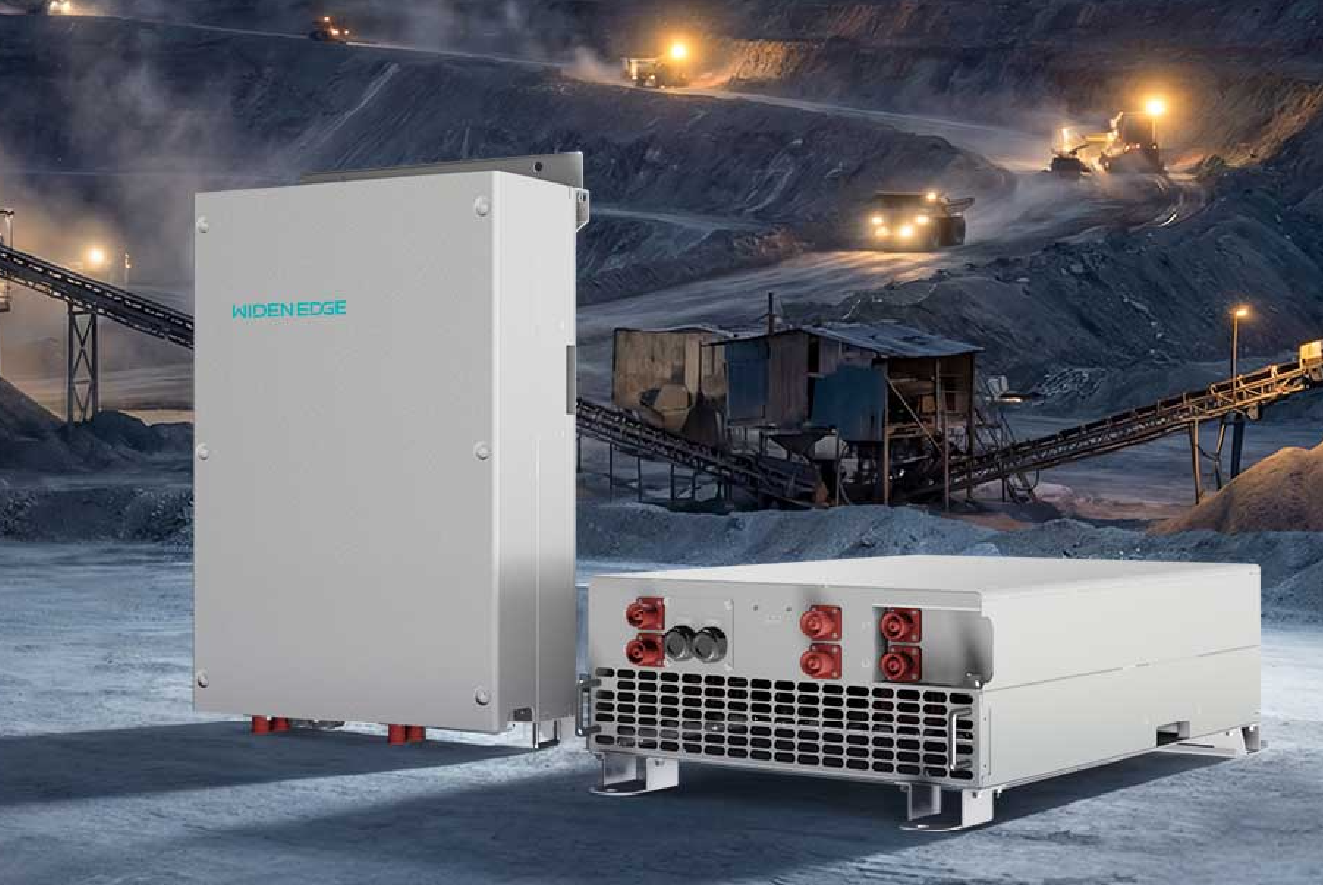
Compare site realities first: new builds let you optimize placement, while retrofits demand creative adaptation to existing gear. Prioritize electrical studies, thermal planning, and a clear control integration plan early. When you need a partner that can match inverter hardware to site constraints and provide the documentation and field support that avoids late-stage rework, WidenEdge appears alongside practical solutions rather than abstract promises—matching equipment options and commissioning practices to your project’s real constraints and timelines.