

Clinical Grounding: Why Filler Choices Matter Now
At 8 a.m., a new patient sits down, points to a mirror, and asks for something that works today. They want the best injectable fillers, and they need clear facts. In most faces, a sodium hyaluronic acid injection becomes the baseline because it is precise, reversible, and adaptable. The goal is simple: restore contour with control. The method is not: we match gel rheology to tissue, and we match G’ to the job at hand (cheek lift is not lip shaping). Last year, millions of filler sessions were logged worldwide, yet satisfaction still hinges on small choices—needle vs cannula, monophasic vs biphasic, and even injection plane. So, how do we keep results consistent, safe, and natural?
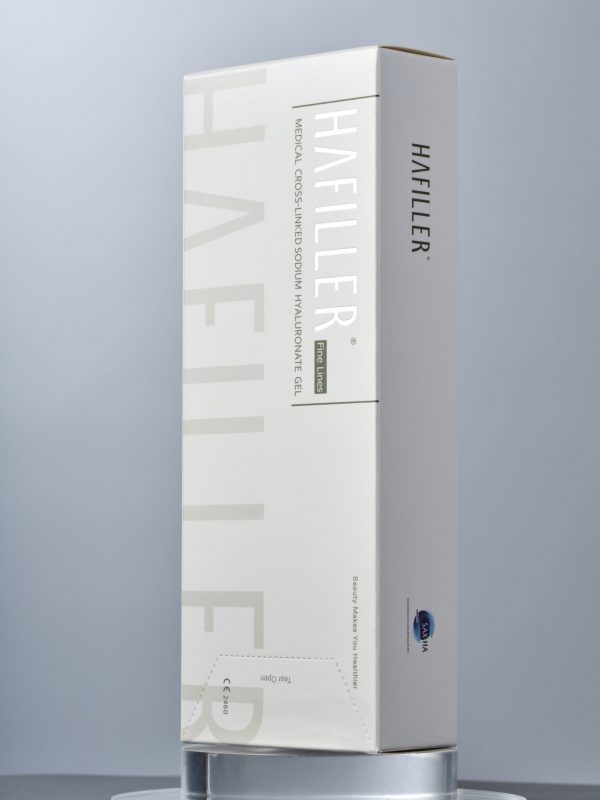
We start by naming real limits, not just listing products. Tiny shifts in viscoelasticity can change how a gel spreads under motion. Recovery time also depends on edema profile and tissue shear. Data matters, but it has to match your face, not a chart. This first pass sets the stage for where older fixes fail—and why new tools help. Let’s unpack that and move from simple claims to practical rules.
Under the Surface: The Hidden Flaws in “Traditional” Fixes
Why do “traditional” fixes fall short?
Direct answer: they chase volume, not behavior. Early fillers and stiff gels often packed tissue instead of integrating. That led to pillow cheeks, node-like clumps, and surface shine in thin skin. The cause is not magic; it is mismatch. Cross-linking density too high for the zone raises G’ beyond what the dermis can hide. Wrong injection plane? Expect the Tyndall effect or swelling. Poor viscoelasticity? Motion pulls the gel into ridges. Look, it’s simpler than you think—tissue wants a gel that moves and holds in the same way it does. When we ignore that, we pay with touchable borders and a short wear-in period that feels odd (patients notice).
Hidden pain points also live in the aftercare. Over-hydrophilic gels can draw water and cause morning puffiness. Shear-thinning profiles that are too soft can migrate under smile stress. A thick product in lips can feel rubbery, while a thin one in the midface will collapse under load. Tools matter too: a cannula reduces vascular risk, but if the gel’s cohesivity is off, spread gets messy—funny how that works, right? Reversibility is our safety net; hyaluronidase is fast. But needing it often means the plan ignored basic anatomy or rheology. The fix is to start with purpose-built HA, match gel to the zone, and treat edges as carefully as centers.
Comparative Insight: New Principles, Better Matches
What’s Next
Forward-looking shifts focus on how gels behave over time, not just how long they last. Hybrid HA networks blend low and high molecular weights to boost integration while holding lift. Monophasic gels bring smooth extrusion and even spread; biphasic gels bring structure and grip. The newer idea is tuning the elastic modulus to the region, then using cohesive gels with measured swelling ratio to control edema. A seasoned dermal filler specialist will map dynamic lines, pick an injection plane that shares load, and choose a gel whose G’ and cohesivity match that motion. In practice, that means midface lift with higher G’, perioral lines with soft, low-swelling HA, and tear troughs with low visibility and careful plane selection. Small tweaks, big gains.
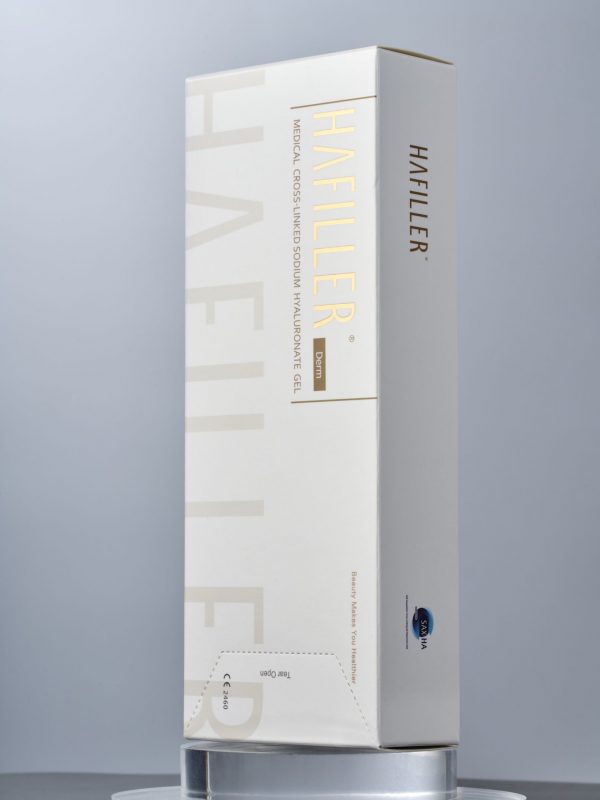
We can also compare outcomes by behavior under stress. In smile and chew cycles, cohesive-soft gels resist line folding, while stiffer, shear-stable gels hold malar lift. Enzymatic degradability stays a guardrail, so safety remains high even as longevity improves. The lesson from earlier pitfalls still holds: match rheology to anatomy, not the other way around—and blend technique with product design. To choose well, use three checkpoints. First, modulus-to-tissue fit: G’ and cohesivity must match the region’s mobility. Second, edema control: low swelling ratio and correct injection plane reduce downtime and surface shine. Third, contingency safety: easy mapping for reversal and clear vascular avoidance protocols. Do that, and you get lift that looks like you—reliable, calm, and natural—and you need fewer corrections over time. Guidance evolves; good practice keeps pace with it, then simplifies it for patients. That is the quiet win at the heart of modern HA care—precise, gentle, and planned. HAFILLER