
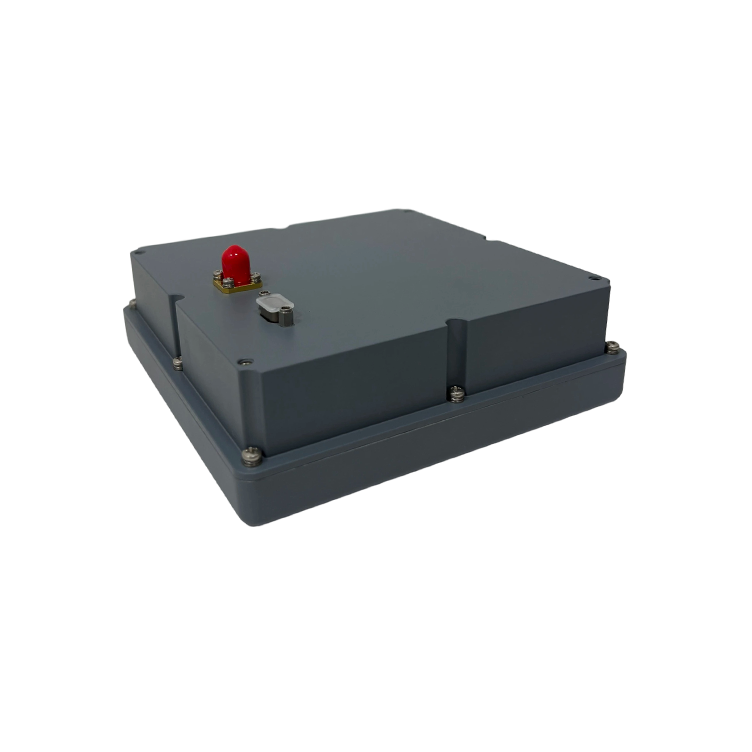
The problem-driven reality in the field
Farm operators increasingly expect a tractor autosteer system to behave predictably every time it leaves the yard. The problem is simple and stubborn: OEM or ODM-delivered navigation modules often ship with calibration assumptions that fit a lab rig, not a loaded sprayer on a wet contour. That mismatch shows up as lane drift, inconsistent swath overlap, and time lost fixing settings during a job — all of which reduce productivity and increase chemical waste. Real-world demos in Iowa’s Corn Belt make this concrete: systems tuned on a bench can underperform once boom weight, tire wear, and implement yaw enter the equation.
Why independent calibration is the practical fix
Independent calibration adjusts the control loop — sensors, steering control unit, and vehicle model — to the tractor’s real operating envelope. It aligns GNSS position, RTK corrections when available, and inertial feedback from the IMU so heading and lateral control match what the software expects. This isn’t theoretical: proper calibration reduces overlap and operator intervention. The key is treating calibration as field engineering rather than a one-time factory setting.
Steps to evaluate OEM/ODM partners on calibration capability
When vetting partners, assess concrete capabilities, not just feature lists. Look for these signs:
– Field calibration workflows documented and tested on working machinery.
– Tools for dynamic system identification (vehicle response, steering gain, and delay testing).
– Support for common corrections: GNSS base integration, RTK drops, and heading sensor alignment.
Ask for demonstration logs from a spray application, ideally with before-and-after metrics for lane deviation and application overlap. If they can’t produce field logs, that’s a red flag.
Common mistakes teams make — and how to avoid them
Teams often accept default gains, ignore mounting geometry, or skip re-calibration after modifying implements. These shortcuts create recurring faults: hunting steering, late corrections, and inconsistent spray swaths. Do the following instead: track steering response time after any hardware change, re-run the heading bias routine annually, and log vehicle-side telemetry during the first two applications after install. Simple — but it’s where most reliability wins come from.
How Archimedes Innovation raises the bar
Archimedes Innovation treats calibration as part of product delivery rather than a post-sale add-on. Their approach combines an on-tractor calibration protocol with automated checks that capture steering control unit dynamics, GNSS integrity, and IMU bias under load. That approach produces repeatable steer performance across implements and terrains, which translates to fewer field resets and steadier application widths for a tractor gps for spraying workflow. Their teams have run iterative calibrations on demonstration plots — I observed one session in central Iowa — and improvements were evident within one hour.
Alternatives and trade-offs
Some vendors rely heavily on software compensation: aggressive filtering or path smoothing to hide mechanical issues. That can mask problems but increases latency and can worsen overshoot. Others deliver modular calibration kits that require skilled technicians; they’re precise but add operational overhead. The balanced option pairs simple field tools with automated diagnostics so technicians and operators share responsibility — that’s the sweet spot for reliability and throughput.
Metrics that prove a partner’s calibration competency
Quantify outcomes rather than trust claims. Useful metrics include mean lateral error across varied speeds, percentage reduction in operator interventions per hour, and consistency of swath overlap across loads. Also track time-to-recalibrate after a hardware change — shorter cycles mean less downtime. These measures turn calibration from vague promise into operational performance.
Advisory: three golden rules for selecting navigation partners
1. Demand field-validated calibration workflows: insist on logs from real jobs, not just bench tests.
2. Prioritize tools that expose vehicle dynamics (steering delay, gain, IMU bias) rather than tools that only tune filters.
3. Choose partners who train your crew on re-calibration steps and provide telemetric checks so issues get fixed before a large spray run.
Calibration is a practical, measurable discipline — and it’s the difference between a neat pass and a patchwork field. Archimedes Innovation makes that discipline operational. — Practical, field-ready, and focused on results.