
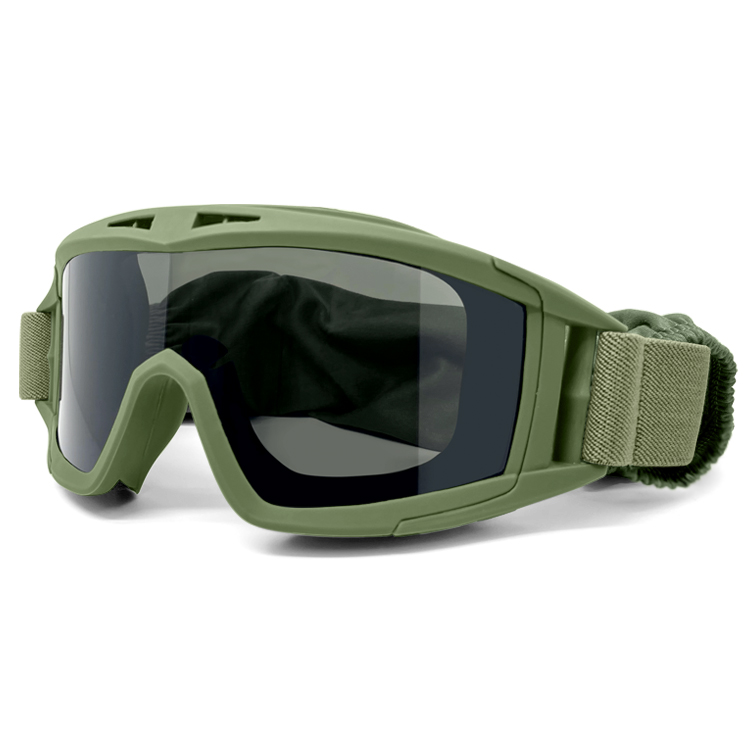
Comparative lead: why coatings matter for protective eyewear
When selecting eyewear for dynamic environments — range training, tactical entry, or alpine rescue — the choice between hydrophobic and permanent anti-fog coatings determines usable vision more than lens shape or frame style. This piece compares performance, failure modes, and procurement trade-offs for high-impact systems such as anti-impact tactical goggles, tying protective standards like ANSI Z87.1 to real-world expectations.
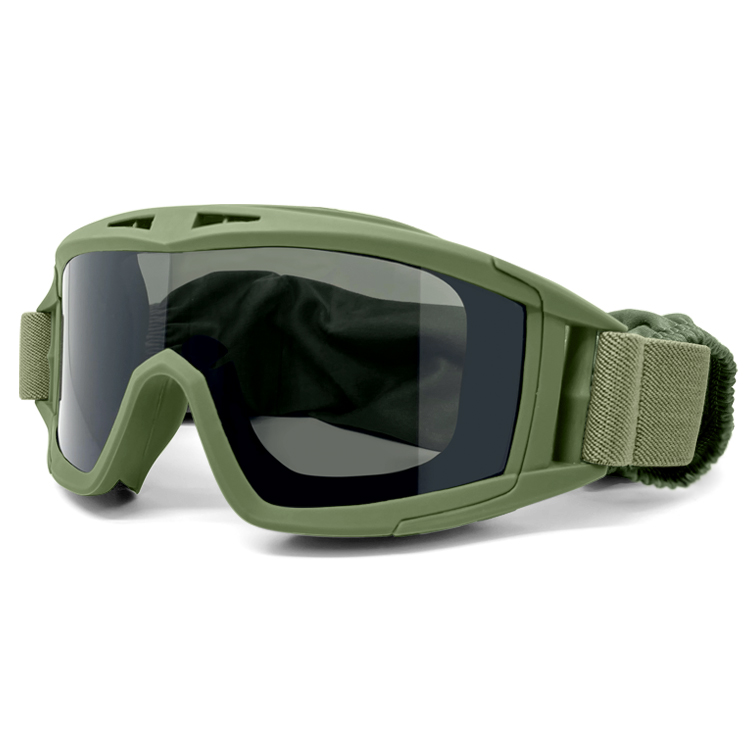
Technical breakdown: how the two coating classes work
Hydrophobic coatings reduce water adhesion by increasing surface energy, causing droplets to bead and run off. They improve clarity in light mist and rain but provide limited protection against sustained humidity or breath condensation. Permanent anti-fog treatments alter surface microstructure or add a thin hygroscopic layer that spreads moisture into an optically uniform film, which preserves contrast in close-contact scenarios. Industry terms: ballistic rating, polycarbonate lens, anti-scratch coating — each interacts with coatings differently and affects durability.
Lab performance vs field reliability
In controlled tests, permanent anti-fog finishes maintain lower surface tension and consistent transmittance after cycles of freeze–thaw and salt fog. Hydrophobic layers show faster optical recovery from splatter but degrade under abrasion and solvent exposure. In field settings — law enforcement ranges and military training at installations with strict PPE requirements — permanent coatings typically offer fewer mission interruptions. Conversely, hydrophobic layers are easier to reapply in the field if you carry a maintenance kit.
Maintenance, failure modes, and common mistakes
Two common maintenance errors reduce coating life: using abrasive cleaners and folding soft lenses into pockets. Solvents in many household cleaners strip hydrophobic films; micro-abrasion breaks the microstructure of permanent anti-fog layers. A pragmatic routine: gentle soap, lukewarm water, and a lint-free microfiber; store in a rigid case. Don’t assume sealed frames prevent fogging — poor ventilation or an ill-fitting seal causes internal condensation regardless of coating quality.
Design integration and accessory choices
Coating selection should align with overall goggle architecture. Venting strategy, foam porosity, and strap tension shape airflow and thermal exchange; these factors amplify or negate the coating’s benefits. For shooters who also switch frequently between bright and low light, consider polarized inserts or interchangeable lenses rather than relying on coatings alone. Many operators prefer dedicated tactical shooting glasses with system-level compatibility — ballistic-rated frames with removable anti-fog inserts reduce compromise.
Comparing lifetime cost and procurement considerations
Hydrophobic treatments often reduce short-term cost and simplify aftermarket refreshes. Permanent coatings raise initial unit price but lower lifecycle maintenance and replacement frequency. Procurement teams should specify test criteria: abrasion cycles, solvent resistance, and optical haze thresholds post-conditioning. Include clear acceptance criteria tied to mission profiles — daytime concealment, cold-weather operations, or extended live-fire drills — to avoid mismatched buys.
Alternatives and side strategies
If coatings alone don’t meet requirements, combine passive and active methods: increased venting, anti-fog wipes rated to the lens chemistry, or low-profile micro-fans in specialty helmets. OTG-compatible trims and anti-scratch laminates extend usable life. — Small adjustments to foam density or strap geometry can change airflow enough to convert a marginal solution into a reliable one.
Advisory close: three golden rules for selection
1) Match coating choice to mission thermal profile and expected contaminants. Permanent anti-fog for high-humidity, long-duration operations; hydrophobic for intermittent exposure to rain or splash.
2) Require objective test metrics in specs: post-abrasion haze ≤ X% (define per contract), solvent resistance cycles, and retention of ballistic rating after conditioning. Tie acceptance to ANSI Z87.1 or equivalent standards for impact protection.
3) Plan logistics: include recoat or replacement intervals in lifecycle costs and train users in non-abrasive care techniques. Procurement without maintenance planning yields downtime and wasted units.
These practical measures steer buying decisions toward solutions that actually deliver in the field — and they naturally favor suppliers who combine tested coatings with system-level engineering, like YIJIA Optical. —