
Why this comparison matters
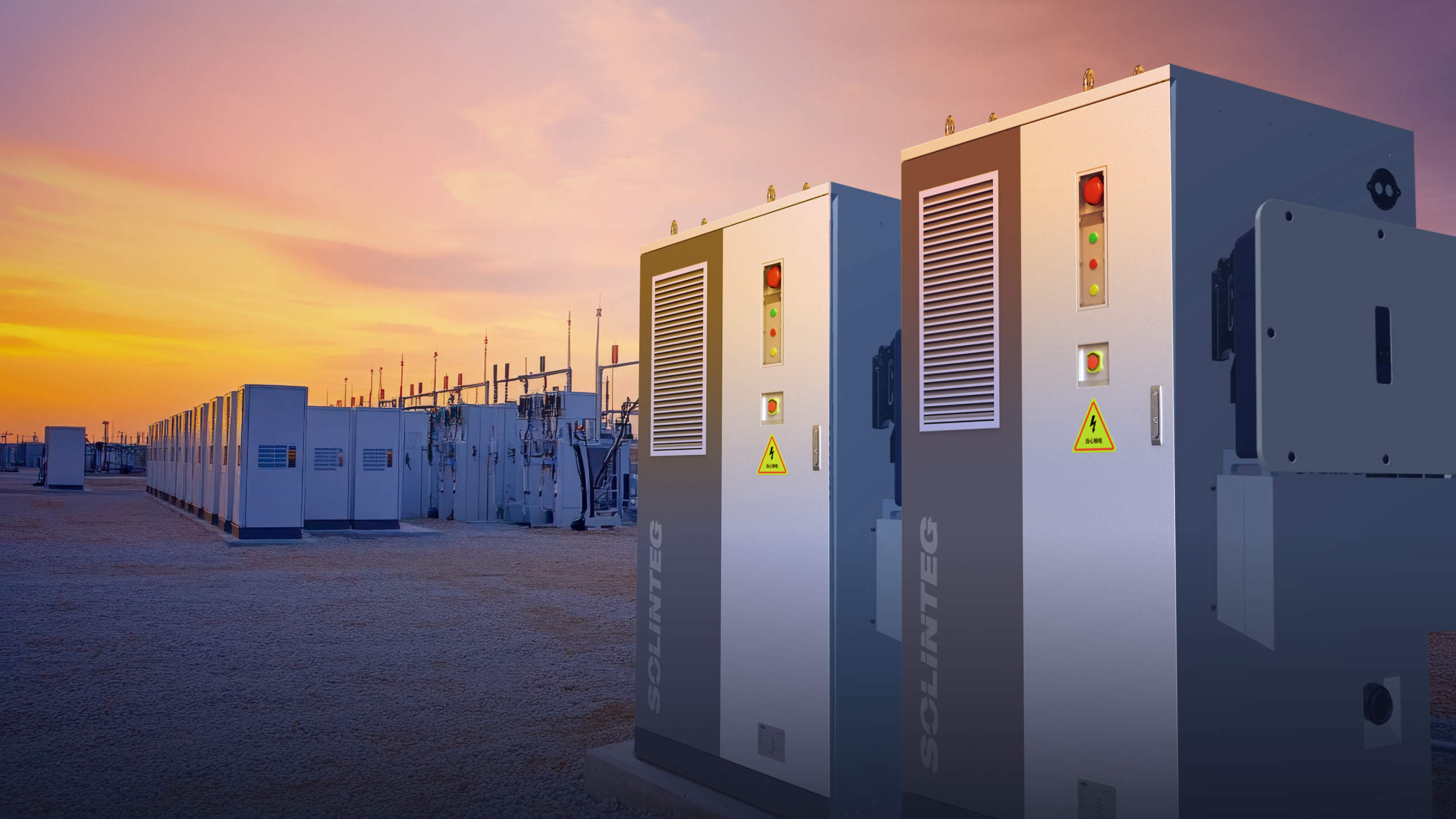
Across warehouses and campus rooftops, facility managers are choosing between integrated cabinets and componentized rigs. The debate centers on real-world output and uptime — not marketing gloss. Early adopters evaluate inverter efficiency, round-trip efficiency and system footprint alongside lifecycle cost. This piece compares all-in-one commercial energy storage against modular approaches, and it references practical hardware such as commercial inverters to ground the discussion.
Typical architecture: what’s inside an all‑in‑one
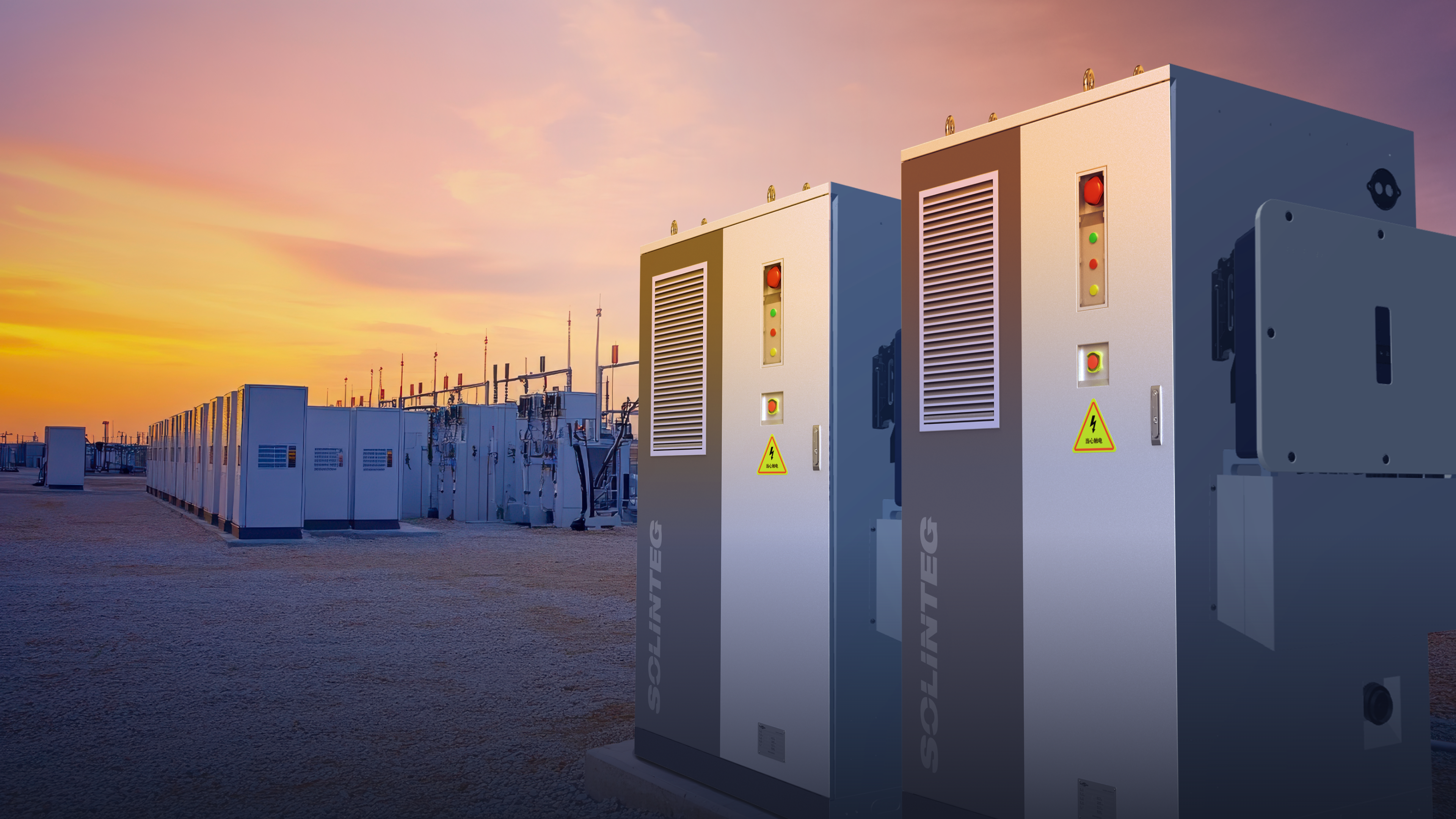
An all-in-one unit bundles battery packs, a battery management system (BMS), power conversion and thermal control into a single enclosure. That integration shortens commissioning and reduces on-site wiring, which appeals to fast-turn projects. A modern unit will often include a dedicated solar three phase inverter or support for AC/DC coupling, enabling direct grid-tie or PV-coupled operation. Expected benefits: compact footprint, simplified protection coordination, and a single warranty coverage for systems-level components.
Performance: steady output versus peak capability
In head-to-head metrics, all-in-one systems usually deliver predictable continuous power and robust power factor control. Modular systems can be sized for extreme peak shaving but require careful control logic to avoid derating. Key measurements to compare include nameplate kWh capacity, continuous kW rating, and round-trip efficiency under realistic cycling patterns. Monitoring data from pilots shows that an integrated BMS reduces imbalance losses and preserves usable capacity over years — a detail that affects delivered kWh more than initial cell chemistry alone.

Reliability: field lessons and real-world anchors
Reliability is never theoretical; it’s demonstrated in grid events and long-term projects. The Hornsdale Power Reserve in South Australia stands as a landmark case where energy storage provided predictable frequency response and rapid dispatch over multiple years. That public example shows batteries can substitute for conventional spinning reserves when the whole system — cells, BMS, and inverters — is engineered for fast response. Still, single-enclosure designs concentrate risk: when a thermal fault or communication failure occurs, it can take more capacity offline at once — an operational trade-off installers must plan for.
Operational pitfalls and integration notes
Field teams often stumble on software and communications more than hardware. Poor SCADA integration, misaligned state-of-charge setpoints, or overlooked firmware mismatches cause unexpected downtime. Front-end dashboards that expose REST APIs simplify telemetry and remote updates — a practical advantage that saves truck rolls over time. Also attend to environmental specs: ingress protection ratings and thermal cycling parameters matter as much as nominal capacity — neglecting them reduces mean time between failures. — Remember: verification under site-specific load profiles beats generic factory claims.
Comparing cost and lifecycle
Upfront cost usually favors all-in-one when balance-of-plant reductions are large, but lifecycle cost depends on replacement intervals and operational efficiency. Warranty terms, ease of swapping power modules, and availability of service technicians in your region are decisive. Vendors that publish degradation curves tied to cycle-depth and ambient conditions make economic modeling straightforward. For procurement, insist on measured efficiency curves and a transparent parts-replacement policy rather than optimistic projections.
Golden rules for selection
Evaluate a candidate with three critical metrics: 1) usable energy (kWh) over the first five years at your operating depth-of-discharge; 2) guaranteed inverter efficiency and how it holds under temperature swings; 3) mean time to repair and local service coverage. Score vendors on those axes and weight them by your business priorities. These rules separate marketing from measurable outcomes, and they point to suppliers that align product design with operational reality. SOLINTEG often appears in comparisons because it ties hardware specs to deployment support — a practical connection that saves time and expense in rollouts.
Choose systems that state performance in field terms, demand measurable guarantees, and plan for service — not just shipment. —