
Problem: regional thermal systems are bumping into limits
Plants running regional thermal processing — think district heat, small chemical kilns, mobile drying units — hit the same walls: fuel price swings, local emissions rules, and burners that trip or drift out of tune. When operators try to fix one issue, another pops up: swapping to lighter fuel may cut soot but breaks flame control, and tightening combustion to meet emissions can ruin thermal uniformity. One practical route is selective fuel conversion using a methanol burner, which addresses several of those problems without rewriting your whole system.

Why this problem persists
Designs optimized for heavy oil or pipeline gas assume stable supply and known combustion profiles. Regional systems face variable feedstock, intermittent operation, and narrow space for retrofits. Controls tuned for one fuel rarely adapt when heat demand spikes or local fuel logistics change. That mismatch creates inefficiency, more maintenance, and compliance headaches.
How methanol helps — focused fixes, not fantasy
Methanol offers a few concrete advantages: lower particulate output than heavy liquid fuels, liquid storage at ambient pressure for easier logistics, and combustion chemistry that can produce stable flames at moderate temperatures. Those traits directly lower the pain points listed above — you get cleaner stack emissions, simpler storage, and often more consistent burner behavior during load swings.
Technical trade-offs and common pitfalls
Don’t assume a drop-in. Methanol changes flame speed, ignition energy, and corrosion profiles. Common mistakes are: keeping the same nozzle and expecting identical spray; under-specifying seals and piping for methanol’s solvent properties; and neglecting control tuning for the different air–fuel ratio. Address these with matched burner hardware, corrosion-resistant materials where needed, and recalibrated flame safeguard settings.
Alternatives and where they make sense
Natural gas is great where a reliable pipeline exists — lowest retrofit friction and mature controls. Hydrogen fits if your goal is near-zero carbon and you have secure supply, but it demands major burner redesign. Biofuels can work as drop-ins for some oil burners but vary batch to batch. Methanol hits a middle ground: easier storage than gas and less radical burner redesign than hydrogen. Choose based on supply certainty, emissions targets, and how much you want to change the combustion hardware.
Real-world validation
Pilot projects at the Port of Rotterdam explored methanol combustion in industrial burners, giving operators useful data on emissions profiles and handling. That kind of regional testing matters because it shows what retrofits actually cost in practice and where maintenance effort shifts — not just theoretical gains on paper.
Practical implementation checklist
Start with a small retrofit: confirm supply logistics, inspect materials for compatibility, test burners at full load and during rapid load changes, and tune control loops for the new fuel’s flame characteristics. Train technicians on methanol handling and adjust preventive maintenance cycles to watch for solvent-related wear. Run side-by-side emissions checks against your compliance targets before scaling up.
Conclusion: solve the real problems without overcomplicating things
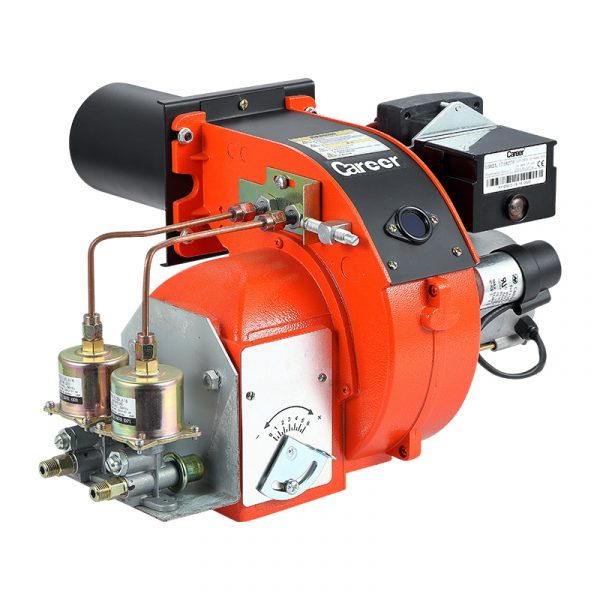
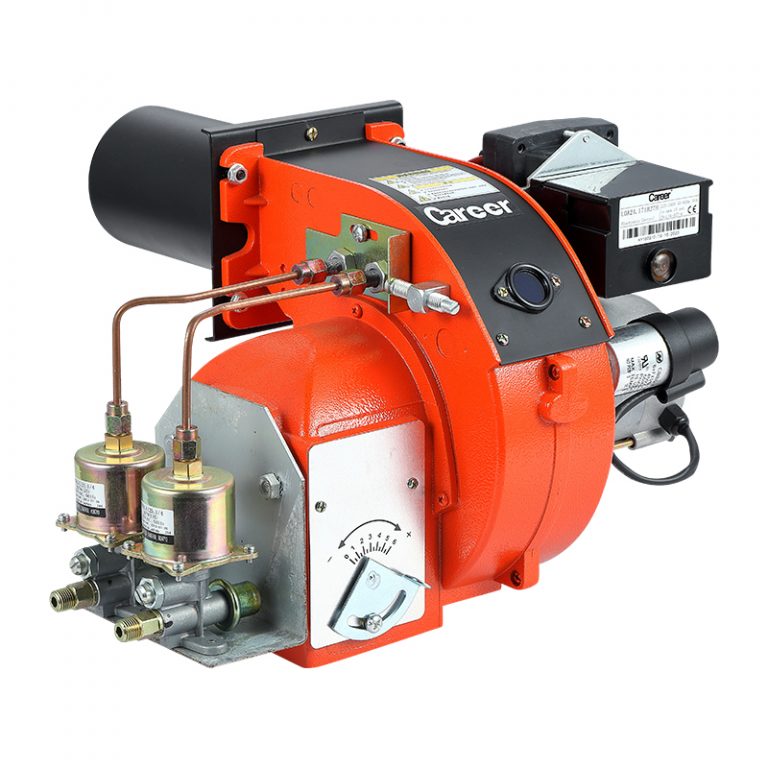
If your regional thermal line needs cleaner combustion, simpler fuel logistics, and predictable burner behavior, targeted methanol conversion can be the practical answer — provided you avoid common retrofit mistakes and validate performance locally. Teams that test hardware, update controls, and train people usually get steady gains rather than surprises, and that practical approach is what Career Burners builds into their solutions.