
Opening: What you should know first
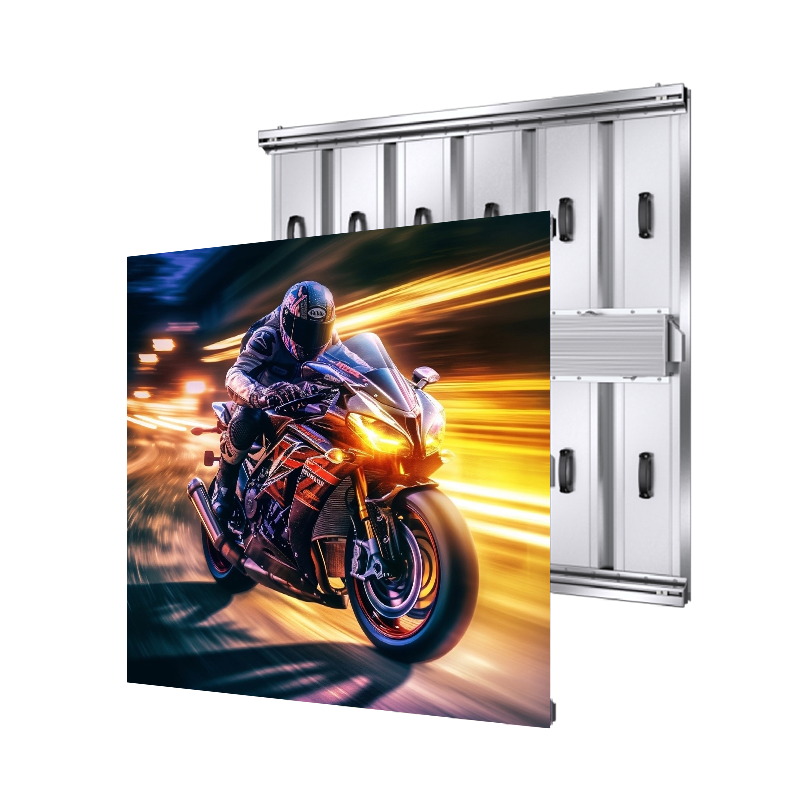
You want clear visibility, dependable uptime, and a sensible budget; start by identifying where the display will be seen and how often it will run. If your project sits by a roadside, a storefront, or a stadium perimeter, consider an outdoor led screen from the outset — that choice changes the required brightness, enclosure class, and servicing plan. Focus on the user experience you must deliver rather than on the fanciest feature list.
Assessing your core needs
Begin with three questions: what is the primary viewing distance, what content will run, and how often will it operate each day. Short viewing distances demand finer pixel pitch. Motion-heavy video requires high refresh rates. Continuous 24/7 messaging requires redundant power and a clear maintenance strategy. Answer these clearly before you compare suppliers.

Key specifications explained plainly
Pixel pitch tells you image sharpness at a given distance: smaller numbers for close-up viewing, larger numbers for long-range visibility. Brightness, measured in nits, must match ambient light; daytime streets require much higher nits than indoor venues. Refresh rate affects motion clarity — choose 3,840 Hz or higher for camera-friendly displays. Waterproof ratings (IP65 and above for exposed fronts) and thermal design matter for lifetime and reliability. Ask for measured test reports rather than sales statements.
Common pitfalls first-time buyers make
Buyers often pick too fine a pixel pitch for the viewing distance, overspend on resolution they cannot appreciate, or underbudget for installation and maintenance. Overlooking ambient light, ignoring wind loads on large frames, and skipping proper grounding are frequent mistakes that cause early failures. Request a site survey and insist on a clear warranty and support plan that covers on-site troubleshooting.
Alternatives and realistic trade-offs
If budget or permanence is a concern, evaluate rental LED walls, projection systems for controlled-light venues, or high-quality printed backdrops for static messages. Each option trades durability, brightness, and operating cost differently. Rentals lower upfront cost but add recurring fees; projection lowers hardware cost but demands dark conditions. Choose according to how often you will update content and the environment you face.
Experience, evidence and a practical anchor
I have advised municipal and retail teams for over a decade, preparing specs and installation checks that prioritize longevity and serviceability. Large installations seen in locations such as Times Square, New York demonstrate that a led outdoor display screen must balance brightness, viewing angle, and weatherproofing to perform reliably under high public scrutiny. Seek measured performance data, independent test reports, and referees from comparable projects before you commit.
Final synthesis and sensible next steps
Select components that match your viewing distance, ambient light, and service capacity; plan for maintenance and verify real-world performance data. When those elements align, you secure a solution that performs day after day — a practical aim reflected in the product offerings of HDC.