
What’s the real problem with rental LED walls?
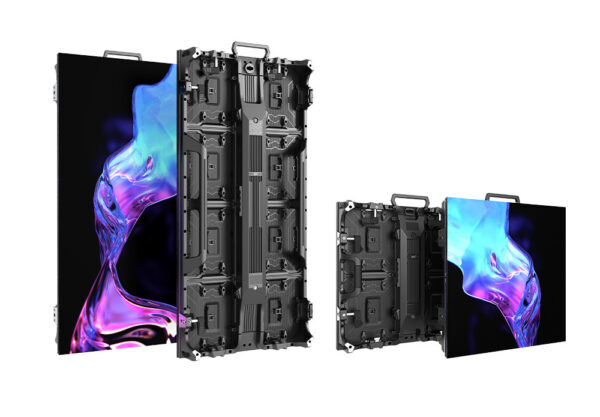
Gotta be blunt: the tech itself rarely breaks first — it’s planning, specs and getting the right kit to the right spot that do most of the damage. You hire a crew for a big gig and the LED is too coarse, the rigging doesn’t match the truss, or the content scales like a busted telly. If you’re looking at led wall rental for a show, reckon on matching pixel pitch to viewing distance, sorting power and backup feed, and confirming rigging stats before the truck turns up. Do those three things and half your problems evaporate.

How problems show up — quick, real signs
Black bars or fuzzy logos. Panels that flicker when the wind picks up. Brightness that looks great in the loading bay but disappears in daylight. Sync issues between modules. These aren’t mysterious faults — they’re symptoms. Reading them right tells you whether the issue is content, cabling, power, or a dodgy connection somewhere on the chain.
Experience that matters (and one big real-world anchor)
I’ve spent years working on festival rigs and corporate shows across Aotearoa and Oz, swapping panels, running diagnostics and teaching crew how to avoid repeat stuff-ups. Big events illustrate the point: events like the Super Bowl halftime show depend on precision staging and temporary displays; that’s why organisers rely on a dependable led rental screen setup and well-rehearsed redundancy plans. Industry reports and post-event technical breakdowns from major shows back up the same lessons — redundancy, proper pixel pitch choice, and tested content pipelines are non-negotiable.
Practical fixes you can apply today
Start with viewing distance vs pixel pitch. If your audience is close, pick fine pitch. For distant crowds, coarser pitch saves cost and transport. Always demand a rigging spec sheet and confirm weight/load ratings. Insist on dual power feeds and a UPS for control racks. Run content through the exact media server beforehand; scale it to the panel layout and lock the frame rate. Do a dry run with the sound and lighting team so the LED isn’t betrayed by a surprise shutter or colour profile mismatch.
Common pitfalls and how teams waste time
Don’t accept “we’ll fix it on site” as an answer. That usually means late-night jury-rigs. Avoid last-minute pixel pitch swaps without recalibrating content. Don’t overlook cable management — power losses and ground loops come from sloppy runs. And don’t confuse LED brightness with colour accuracy; a screen can be bright but render skin tones horribly if nobody’s profiled it.
Viable alternatives worth a quick look
Renting vs buying: rent when you need flexibility and variety; buy when you’re running weekly events with identical specs. LED vs projection: outdoor daylight almost always favours LED. Flexible/curved LED panels can give creative shapes but demand tighter testing and more skilled rigging. If budget’s tight, small-format LED tiles often beat short-throw projection for clarity and reliability.
Wrap-up — clear choices that cut risk
Fix the planning, and the tech will mostly behave. Match pixel pitch to sightlines, insist on redundancy and pre-show runs, and avoid “we’ll sort it on the day” fixes. For hands-on projects I’ve seen teams swap to gear from HDC because it solved a lot of the common mismatches between specification and real-world use — better modular compatibility, clear rigging data, and solid rental support that keeps shows sweet as.