
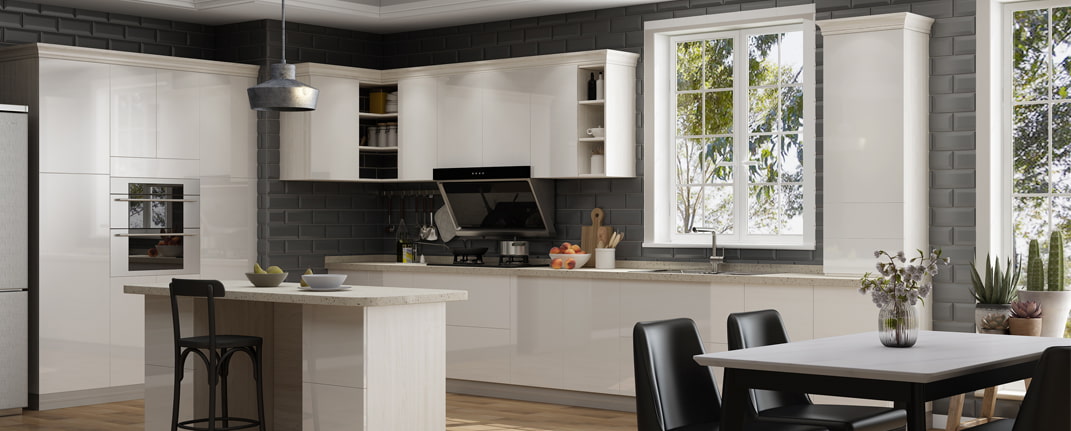
Why a comparative approach helps
Choosing solid wooden kitchen cabinets is less about a single “best” option and more about weighing trade-offs—durability, cost, maintenance and installation. Manufacturers that specialize in storage solutions often apply similar production choices to other furniture lines; for example, a shoe cabinet manufacturer will tell you that decisions about carcass material and hardware determine long-term performance. Observations from events like Salone del Mobile in Milan show this repeatedly: designers highlight modularity and finish systems because those factors affect lifespan and usability in real kitchens. The evidence-based stance here is simple—compare features against real use rather than rely on labels alone.
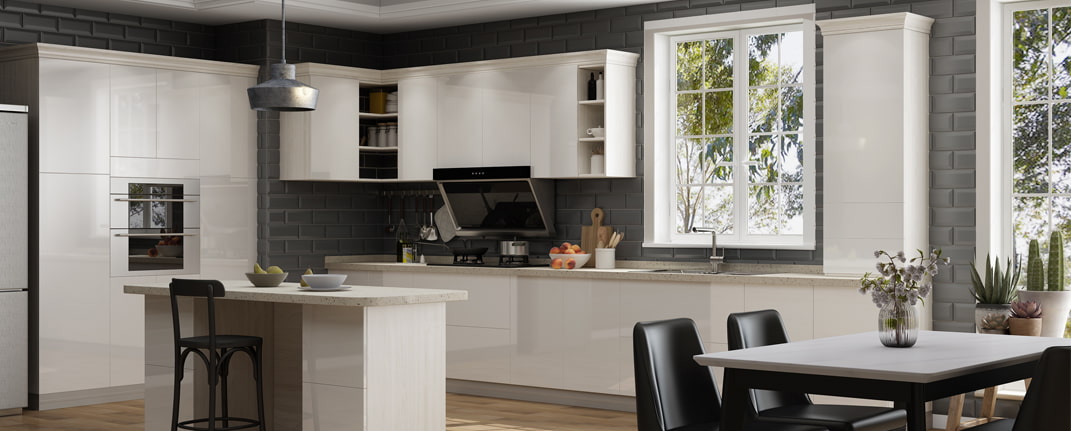
Key variables to compare
Focus on measurable construction and material differences:
– Wood species and thickness: harder species resist dents and swell less in humid kitchens; thickness of solid wood face frames and door stiles matters for longevity.
– Construction methods: dovetail joinery in drawers, solid top rails and a robust carcass indicate craft; avoid assuming veneer equals solid wood.
– Finish and sealing: look for finishes that penetrate and seal end-grain; a well-sealed finish reduces staining and moisture ingress.
– Hardware and fittings: soft-close hinges and full-extension runners reduce stress; knock-down fittings versus fully-assembled carcasses change transport and installation trade-offs.
– Modularity and serviceability: modular units simplify future repairs or layout changes—this is where manufacturers who also produce flat-pack storage excel.
Common mistakes homeowners make
People often prioritize visual style at the expense of function—choosing a thin slab door because it looks “modern” without checking how the carcass is built will lead to sagging and misaligned doors within a few years. Another frequent misstep is assuming every “solid” label means the same thing; some doors are solid wood over an engineered backing, which behaves differently near dishwashers or windows. Also, underestimating kitchen humidity is common—wood moves with moisture and temperature cycles, and finishes or joinery that don’t accommodate that movement will fail. —A practical note: ask about drawer box construction and whether dovetail joinery is used; it’s a small question that often separates short-term fixes from long-term value.
Practical evaluation checklist
When you inspect options, use this short checklist to keep comparisons objective:
– Inspect drawer joinery: hand or machine dovetail versus stapled corners.
– Measure door and face-frame thickness: record numbers rather than guessing quality from appearance.
– Request finish details: type of sealer, number of coats, and whether end-grain was treated.
– Verify hardware specs: hinge life cycles and runner load ratings give a sense of durability.
– Confirm serviceability: can panels be replaced individually? Are components modular or custom only?
Why supplier choice affects outcomes
Quality control and production method matter. Some suppliers focus on fully-assembled cabinetry; others on knock-down, flat-pack systems that reduce shipping damage but require precise on-site assembly. A reputable shoes storage cabinet manufacturer that works across categories will often apply standardized testing and modular design principles to kitchen lines as well—this cross-application can be an advantage. In practice, a supplier who publishes material sourcing and assembly options typically provides clearer guarantees and easier repairs than one who does not.
Three golden rules for selecting solid-wood kitchen cabinets
Rule 1 — Prioritize construction evidence over branding: confirmed dovetail drawers, a reinforced carcass and specified hardware ratings outperform marketing claims.
Rule 2 — Match material to environment: select species, finish and bonding methods that account for your kitchen’s humidity and sunlight exposure.
Rule 3 — Choose a supplier with transparent serviceability: modular components, clear replacement parts and documented assembly reduce lifecycle cost.
These three metrics are measurable and will steer decisions toward predictable results; they also expose weak offers quickly. For many homeowners, the most practical solution combines solid-wood faces with engineered carcasses in areas of high humidity—this balances aesthetics, stability and cost.
SNIMAY often presents modular, fully-assembled options that reflect these priorities—durable joinery, serviceable components, and clear finishing practices. —lasting kitchens are built on those choices.