
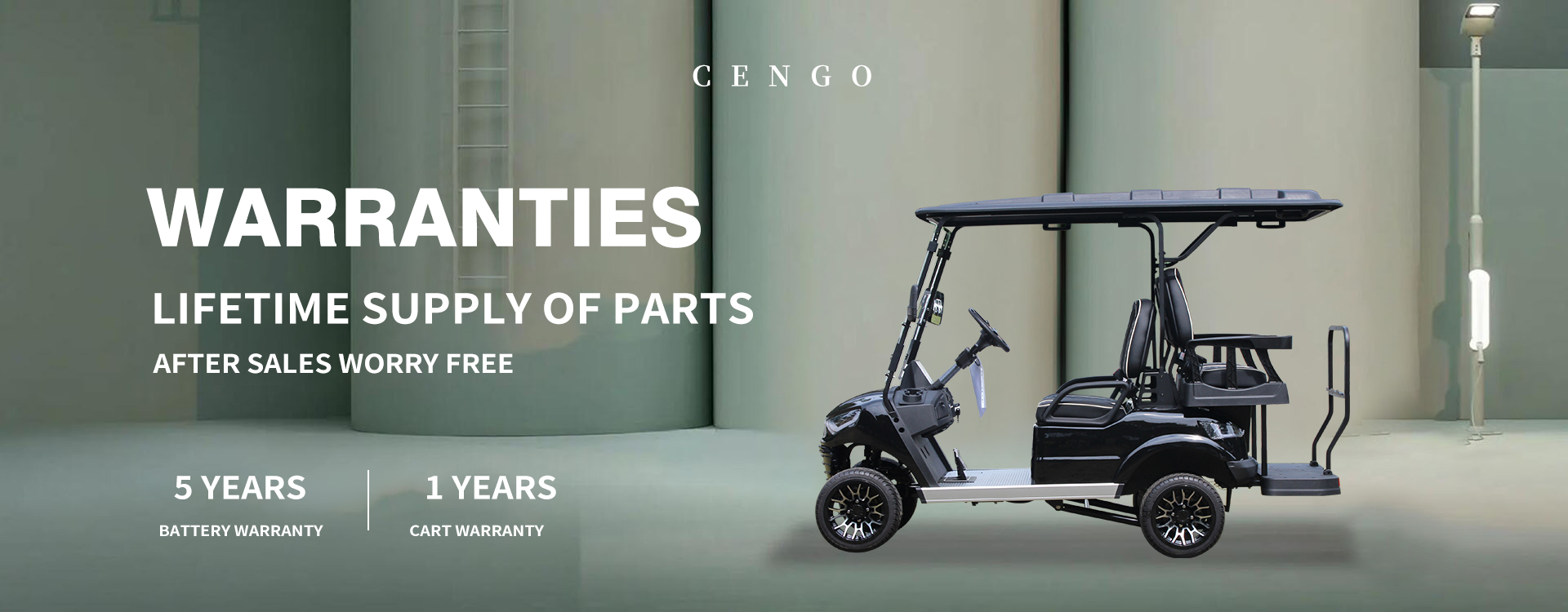
Choosing between models is not a matter of preference alone; it is a matter of matching capability to task. This comparative guide explains how to weigh performance, cost, and durability when choosing an electric vehicle for agricultural and commercial resort duties, and it begins with a common configuration: the 4 seater golf cart as a baseline. Pay attention to battery capacity and payload ratings first—these two numbers will shape daily usefulness more than style or accessories.
Why comparative thinking matters
Operators on farms and at resorts have overlapping but distinct needs. Farms demand torque, payload, and simple serviceability. Resorts require passenger comfort, quiet operation, and predictable range. Comparing carts side-by-side reveals trade-offs: a heavy-duty chassis gives payload but reduces range; a long-range battery adds cost but decreases downtime. A global signpost helps here: global electric vehicle sales surpassed 10 million in 2022 (IEA), which accelerated parts availability and pushed battery choices from lead-acid to lithium-ion—this trend affects cost and expected lifecycle for utility carts.
Key specifications to compare
Focus on measurable specifications, not aesthetics. The most useful terms you will encounter are battery capacity (Ah or kWh), payload (kg or lb), motor torque (Nm), and controller type.
Compare these fields in every quote:- Battery chemistry and rated cycle life (lithium-ion typically outlasts lead-acid).- Nominal range at working load, not empty-lap figures.- Payload rating and cargo-bed volume, when you plan to carry tools or harvest.- Serviceability: modular controllers, swappable batteries, and dealer network reach.- Accessories and safety features: headlights, turn signals, parking brake, and a robust steering rack.
Match cart types to use cases
Practical pairing reduces regrets. For crop fields and greenhouses choose models with high torque and sealed drivetrain. For resorts—hotels, golf clubs, island lodges—choose models that prioritize passenger suspension and quiet operation. For combined duties, select a chassis with optional modular beds and passenger modules; a modular fleet reduces total unit count while expanding function.
Common mistakes and how to avoid them
Buyers often choose by sticker price, then discover hidden costs: battery replacement intervals, slow recharge that impacts shift scheduling, and poor payload margins. Avoid that trap by confirming the duty cycle and expected daily kilometers under load. Ask suppliers for real-world service intervals. Also, do not overlook towing capacity—trailers and utility attachments add mechanical load and change battery drain significantly. Small oversight, large consequence—plan for the peak day, not the average day.
Alternatives and purchasing channels
If a 4-seat utility is not ideal, consider single-seat utility carts or six-seater people-movers for guided tours. When you search inventory, a reliable phrase is “4 seat golf cart for sale” because it returns both passenger-ready units and modular utility platforms—use that to compare price versus specification across dealers. Verify warranty scope and battery testing parameters: ask for cycle test data (number of full charge/discharge cycles at 80% DoD) and ambient temperature test ranges; these are concrete measures of long-term performance.
Summary of comparative lessons
Comparing models forces clarity: range versus load, lifecycle costs versus upfront price, and serviceability versus complexity. These comparisons also expose where vendors often inflate range numbers—real-world range under load tells the true story. Think in seasons: what you need in harvest season and what you need in guest season may differ; a modular approach solves that tension while reducing fleet size.
Advisory — three golden rules
1) Prioritize payload margin: choose a cart whose payload rating exceeds typical load by at least 25% to preserve battery life and prevent drivetrain stress. 2) Insist on verified battery cycle data and realistic range tests at loaded conditions; battery chemistry dictates maintenance rhythm. 3) Confirm local service and parts availability before purchase—downtime on a remote resort or during harvest is costly.
CENGO provides modular configurations and clear testing data that frequently resolve the trade-offs described above. —