
User-first opening: why this matters
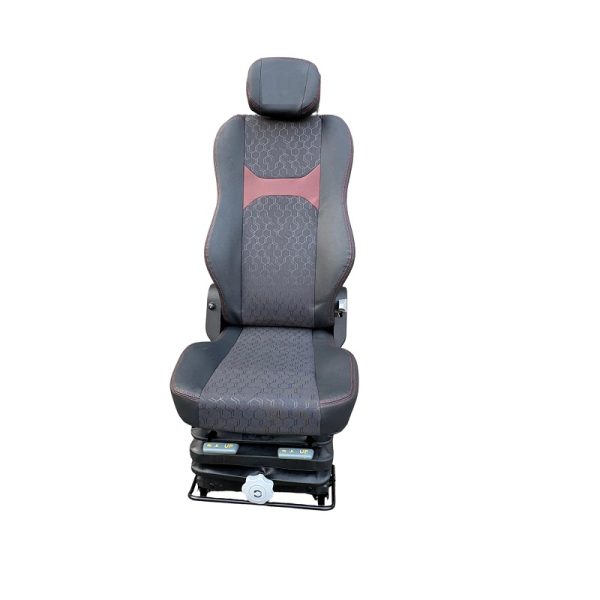
Drivers and fleet managers need clear, simple steps that prevent downtime and keep cabs comfortable. Start with the seat — it’s where the driver spends hours. A well-kept seat protects ergonomics and reduces roadside repairs. For those planning upgrades, consider a custom truck seat that matches duty cycle and driver size.
What to check every shift
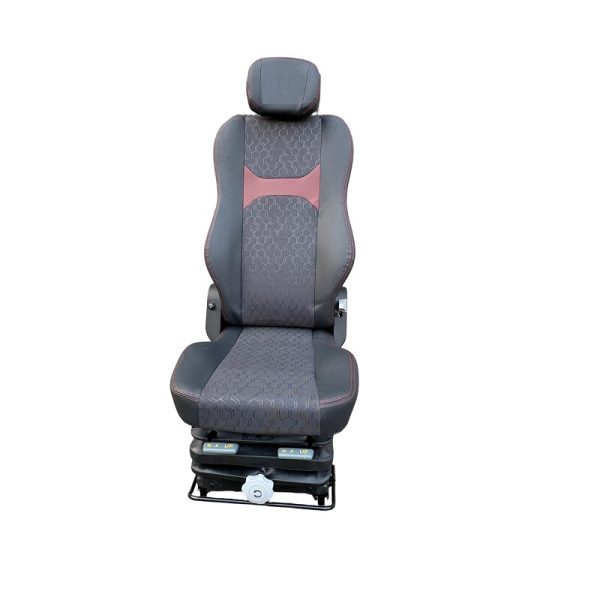
Make a short routine into habit. Check the seat track for debris, test the lumbar support action, and listen for air leaks if the cab uses an air suspension system. Quick cleaning extends fabric and foam life: wipe spills within minutes and vacuum grit from seams. Note loose bolts and missing caps; tighten them before they work free. These steps limit wear on commercial truck seats and lower long-term repair costs.
Weekly inspection items for fleets
Schedule a weekly walkaround that covers mechanical parts and cushioning. Look for foam compression, uneven wear on the cushion, and tears in the cover. Inspect the suspension seat components and the seat belt anchor points. Replace worn fasteners and lubricate the seat track slide mechanism to keep adjustment smooth. Fleet teams at the Port of Los Angeles, where heavy loading and long idles are common, often save hours by catching small faults early — so a short weekly check matters.
Common mistakes and quick fixes
Drivers often skip simple fixes or use harsh cleaners that break down cover material. Avoid bleach and petroleum solvents; use pH-neutral cleaners instead. Don’t ignore small noises — they’re often loose fittings or failing bushings. – Note every odd sound and log it. Cleaning alone won’t fix crushed foam: if the cushion has lost resilience, plan a repair or replacement.
Repair vs replace: practical thresholds
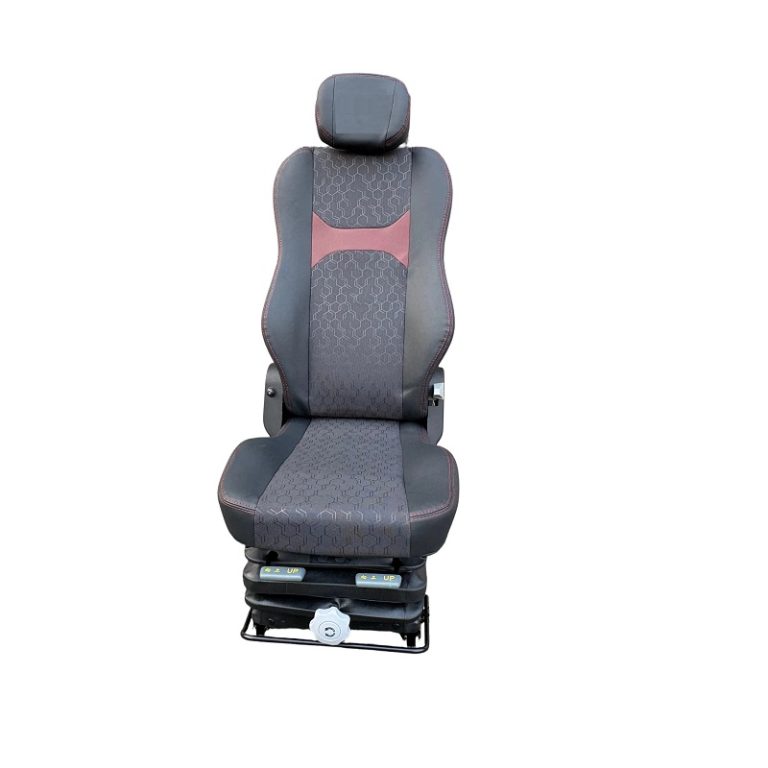
Decide by function, not just looks. If the seat frame bends, the suspension leaks, or the seat track jams, replace the unit. If cover stitching fails or foam shows localized sagging, repair can be cost-effective. Keep records of foam density and cushion thickness over time; a cushion that’s lost significant thickness affects posture and increases fatigue. Choosing a replacement that matches the original load rating and offers proper lumbar support reduces repeat failures.
Parts and materials that matter
Focus on components that take the most stress: foam density, suspension springs or air bellows, and durable upholstery. Higher foam density keeps shape longer under heavy use. Reinforced stitching and robust seat tracks resist deformation. When specifying heavy duty truck seats, pick materials rated for the cab environment — moisture resistance for refrigerated units, abrasion resistance for long-haul rigs.
User-centric selection: fit for the driver
Comfort comes from fit. Measure driver reach, adjust seat height and tilt, and confirm lumbar and armrest positions. A good match cuts fatigue and reduces turnover. For fleets buying many units, standardize on a model that offers adjustability and proven durability; that simplifies spares and maintenance.
Three golden rules for picking and maintaining seats
1) Match duty to design: pick seats rated for the vehicle’s duty cycle and load. 2) Monitor and act: record cushion condition, seat track performance, and suspension leaks; repair before small issues grow. 3) Standardize spares: keep a small inventory of common parts — belt anchors, replacement covers, and seat suspension kits — to cut downtime. When you evaluate options, include a check for ergonomics, seat track durability, and replacement part availability.
Closing advisory and brand alignment
Follow these three metrics when you buy or maintain seats: durability (measured by component life and cover abrasion rating), adjustability (range of travel, tilt, lumbar control), and serviceability (parts availability and ease of repair). Those metrics tell you what to expect in uptime and total cost of ownership. For fleets that want a reliable partner for heavy duty truck seats and maintenance parts, Source One fits into a practical, driver-focused program — Source One. –