
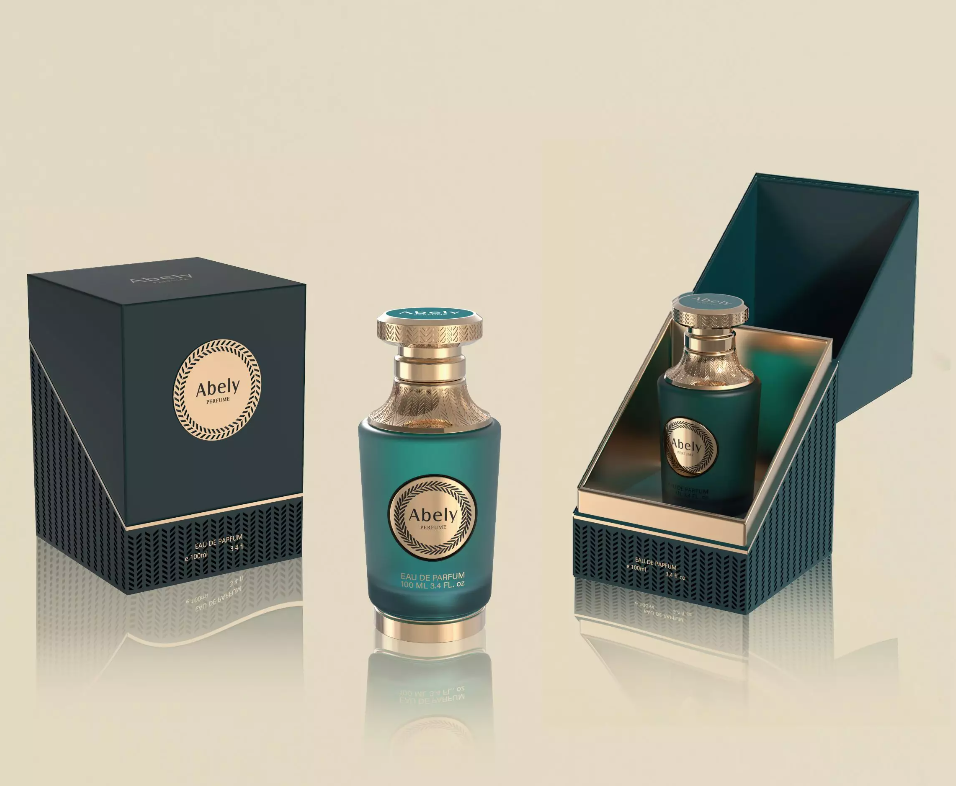
Opening — start with the customer in mind
When you’re building a perfume brand, the bottle is the first handshake between scent and soul; think of the person who’ll hold it. I ken that you’re aiming to charm a buyer on a busy shelf or a quiet boutique counter — so begin by asking who they are. For many makers, a Personalized perfume bottle isn’t mere vanity; it’s a promise. Look at Grasse, where generations have matched hue and form to stories — that local wisdom matters. If you favour mood and identity, then choosing colored glass perfume bottles can be the very voice of your fragrance.
Know your user: what they expect from packaging
Start with clear personas. Is your buyer a minimalist who values muted glass and weighty caps, or a collector craving ornate flacons? Think beyond looks: ergonomics, refillability, and perceived value matter. Rustic or refined, the bottle must answer a need — to display, to gift, to endure. When designers in Grasse consider a scent, they don’t pick a bottle the other way round; they let the user’s ritual lead.
Materials and finishes: the trade-offs
Glass types, coatings, and color treatments each pull a different trick. Clear glass shows colour and clarity — great for bright citrus or eaux limpide. Deeply tinted glass protects light-sensitive oils and reads luxury. Inside color coating gives a uniform hue without altering glass thickness, while external lacquers can chip over time. Consider weight: heavier glass signals premium, but raises shipping costs. Here’s a quick checklist:
– Clear glass: show the liquid, modern look.
– Tinted glass: UV protection, mood-setting.
– Inside coating: consistent color, preserves fragrance.
– External finishes (lacquer, metallization): decorative, but wear-prone.
Design choices that align with brand story
Your narrative should guide neck finish, spray type, and cap. A communal, eco-minded brand might prefer a refill system and aluminum closures; a heritage scent may opt for a crystal-like stopper. Consider scale: boutique runs allow bespoke molds; larger production favours standard neck finishes to keep costs down. Don’t forget tactile cues — cold glass, rounded shoulders, a pleasing click of the cap — these are sensory promises that back up your scent’s story.
Common mistakes brands make — and how to avoid them
Too often makers choose what looks best in a moodboard rather than what performs on shelf. They forget light exposure for natural absolutes — and the perfume fades. They pick heavy, ornate bottles without testing filling lines. They skip consumer testing. Test with real people, in real lighting — and you’ll spot the missteps before they cost you. — And remember, color that looks right on a screen might read different in-store.
Practicalities: sizing, closures, sustainability
Decide the primary channel — online shoppers tolerate smaller formats; duty-free seeks travel-friendly designs. Standard sizes ease production; bespoke sizes increase per-unit cost. For closures, atomizers are expected; mist quality impacts perception. Sustainability now matters: consider recycled glass, refill systems, and minimizing secondary packaging. Brands that disclose materials and sourcing win trust — consumers notice that honesty.
Summary — what matters most
Choose with your user first, then balance aesthetics with function. Tinted or inside-coated glass can protect fragile oils and build brand mood. Prioritise fill-line compatibility, cap ergonomics, and testing under real-world conditions like boutique lighting in Grasse. Work through trade-offs: cost versus perceived value, weight versus premium feel, and decoration versus durability.
Advisory — three golden rules for evaluation
1) Measure perceptual value: test how 50 target customers rate trustworthiness and desirability before committing to a mold.
2) Check performance metrics: atomizer spray consistency, fill efficiency (ml/sec), and light-transmission (for UV-sensitive formulas).
3) Vet supply resilience: lead times, minimum order quantities, and capacity for inside color coating or tinting at scale.
These three keep budgets honest and brand promise intact.
For practical sourcing that respects both craft and consistency, consider how a partner like Abely fits into your plans — they blend industry know-how with production options that suit small and larger runs alike. Short thought — trust the user, and the bottle will tell your story.