
Introduction — a quick scene
Picture this: you’re in the workshop, sparks flying, metal on metal, and the air smells like a bonfire of paperwork—sound familiar? I’ve been in that exact spot, wiping grit off my shirt while the crew says “we’ll deal with it later.” Dust and fume extraction is the thing that never looks urgent until someone coughs, or a sensor trips, or a regulator shows up—then it’s suddenly the only thing that matters. (Totally relatable, right?)

Here’s the kicker: many small shops and big plants run extraction systems that sound okay on paper but choke in real life. I’ll talk plain — no fluff — about what actually goes wrong, what hides behind shiny ducts and HEPA filters, and how you can stop guessing. We’ll hit capture velocity, airflow, and basic fan static pressure without getting bogged down in jargon. Stick with me — I’ll show you what to watch for next.
Why classic setups fail — peeling back the cover of the industrial fume extraction system
Let’s define the beast first: an industrial fume extraction system is supposed to pull contaminants at the source, filter them, and send clean air back out. Sounds simple. In practice, it often isn’t. I’ll be blunt: many systems are designed from blanket specs, not real shop behavior. What that means is the ductwork is undersized, the hood is in the wrong spot, and the fan barely moves air where it counts. — funny how that works, right?
What actually trips people up?
Most troubles fall into two buckets: engineering shortcuts and human habits. Engineering shortcuts include mismatched filter media, poor layout that kills capture velocity, and fan selections that ignore additive losses — you know, leaks, bends, and grungy filter packs. Human habits? Operators move hoods, block intakes with stock, or skip maintenance until the system protests with noise or poor airflow. I’ve seen electrostatic precipitators and HEPA filters turn into fancy paperweights because nobody measured the pressure drop before and after a shift. Look, it’s simpler than you think: measure, watch, and act.
New tech and practical steps — what’s next for extraction systems
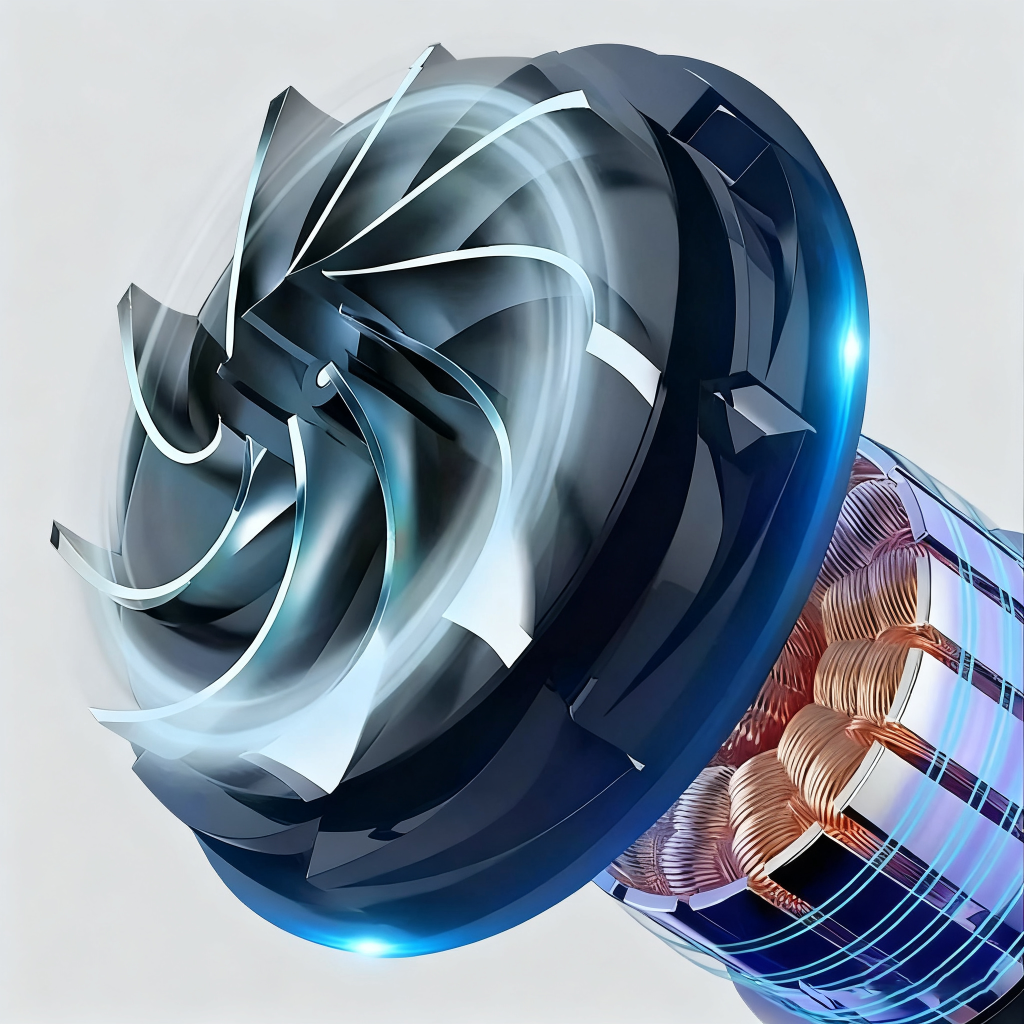
Looking forward, the smarter moves are about sensing and smarter fan control. Modern principles say don’t just build a cage of ducts; give the system a brain. Sensors for differential pressure across filter stages, variable-speed drives tied to actual capture needs, and localized extraction hoods tuned to capture velocity can cut energy and keep the workplace healthy. I’m not pushing buzzwords — this is about measurable wins: lower power draw, fewer filter swaps, and steadier particulate counts. — surprising how much dollars and breaths you save.
What to measure right away?
When you’re comparing upgrades or replacements, I suggest three core metrics: actual capture velocity at the hood, system static pressure (including real duct losses), and downstream particulate levels after filtration. Those three tell a story: whether the hood actually gets the smoke, if the fan can cope, and whether the filter setup and media are doing their job. We used to guess these things. Now we log them. It matters.
To wrap up, weigh systems not by flashy claims but by steady results: measured capture, maintainable filters, and sensible energy use. If you want, start with a short audit — watch the hood during real work, take a few static pressure readings, and check filter differential regularly. That practical data beats any spec sheet. For trustworthy gear and support, I point people toward companies that stand behind measured performance and real-world fixes — like PURE-AIR.