
Introduction
Let’s call it: sound can make or break a meeting, even before the slides land. Today’s boards and councils are going digital fast, and the paperless conference system is now the default playbook in many venues. In that setup, multimedia system sound isn’t just “nice to have”—it’s the backbone that helps people hear, act, and decide. A recent sample from mid-size venues shows up to 28% of meeting time gets lost to audio delays or mic confusion. So here’s the question: when everything else is online and seamless, why does audio still feel like the weak link (especially in hybrid rooms)? We’ll map the scene, ground it with data, and ask what actually fixes it for good—without adding more chaos. Stick with me as we compare what works, what doesn’t, and where your next upgrade should land.
Hidden Friction in Sound: Where Meetings Lose Time
What’s the real bottleneck?
Let’s get technical for a minute. In many rooms, people blame “bad mics,” but the real problem lives in the signal chain. With a paperless flow, voice travels across DSP, codec, and network layers, where latency, jitter buffers, and acoustic echo cancellation either play nice—or don’t. When multimedia system sound hops over unmanaged switches without QoS, packets drop and speech gets choppy. Add poor gain structure and the AEC can’t converge, so you get slapback echo or hollow voices. Even simple choices, like placing a ceiling mic too close to HVAC, can kill beamforming performance. Look, it’s simpler than you think: map the endpoints, set priorities, and treat audio as a first-class network service. Then validate roundtrip latency per seat, not per rack. — funny how that works, right?
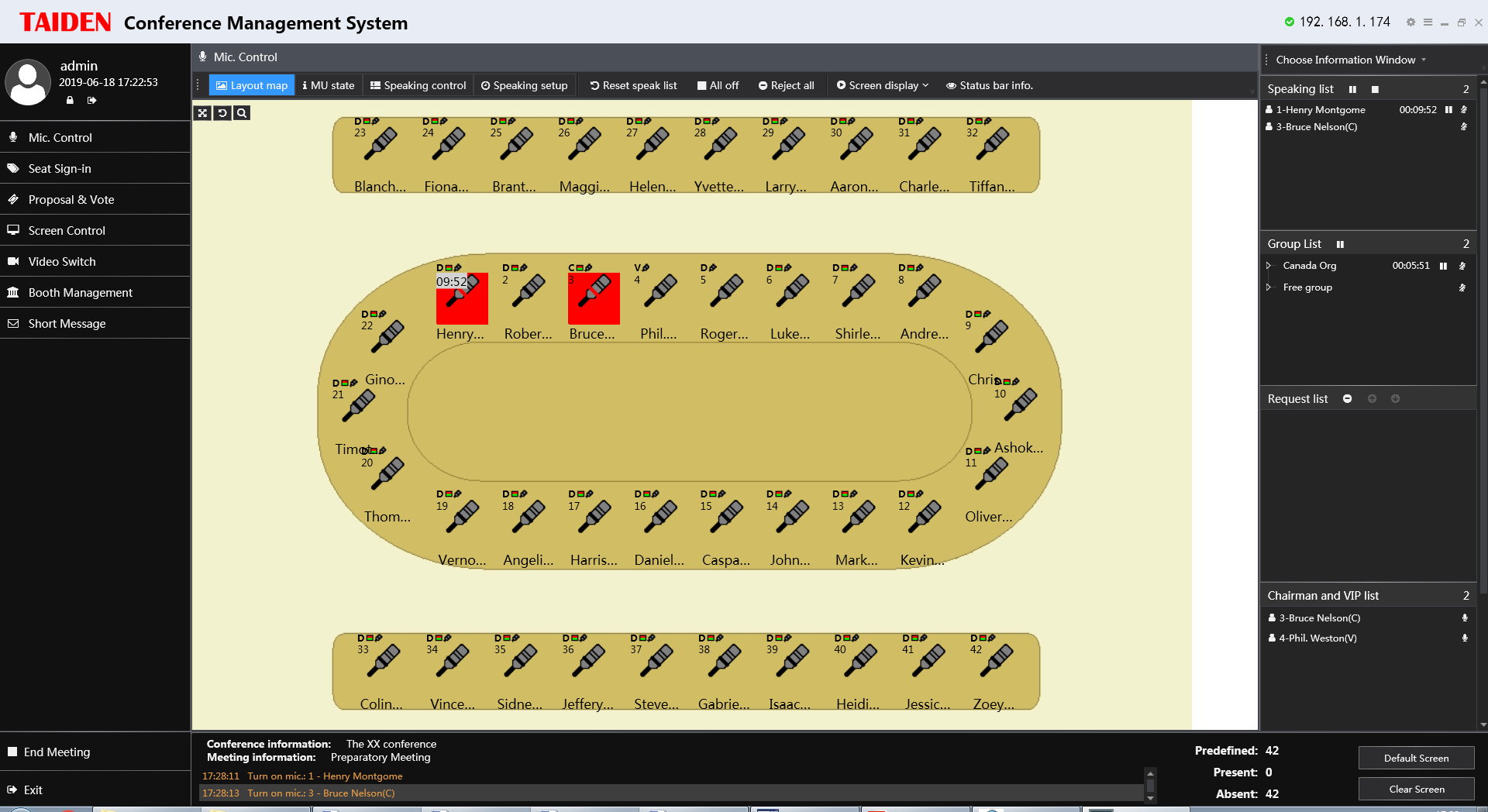
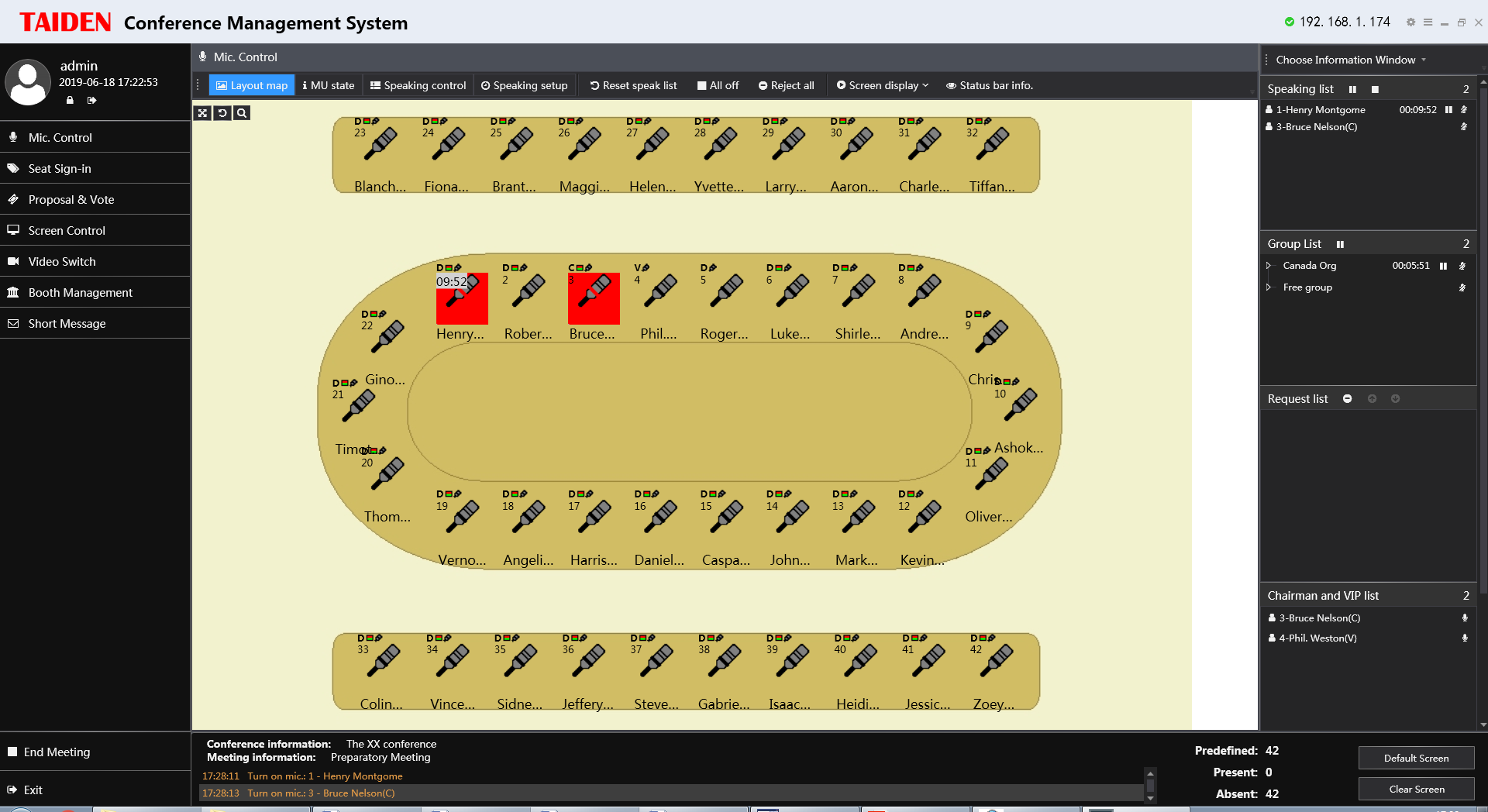
The hidden pain isn’t only in the rack. It’s human. Chairpersons juggle mute states, delegates guess about floor audio, and interpreters fight bleed if the routing matrix is vague. A paperless workflow raises expectations for real-time clarity, yet default presets often ignore room modes and sightlines. Without clear feedback, users over-speak or tap mics, adding noise. What helps? A transparent UI that shows live mic states, a sane preset per seating plan, and edge computing nodes that handle local AEC before traffic hits the core. Add Dante or AES67 with VLAN isolation, and PoE switches sized for burst current so power converters don’t brown out at peak draw. Keep the path short. Keep the logic clear. Keep the user in the loop.
Comparing Futures: Principles That Make Audio “Just Work”
What’s Next
Now, let’s look forward—and compare paths. Old stacks used centralized DSP blocks that scaled poorly. Newer designs spread intelligence. Microphone arrays do pre-mix processing at the edge, then hand clean stems to the core for policy and recording. That means lower end-to-end delay, fewer artifacts, and faster failover. A modern multimedia congress system leans on standards like AES67 for interoperability, while applying QoS tags so speech packets win every time. The principle is simple: treat voice as real-time media with priority routing and visible health metrics. Add auto-mix logic that respects the chair’s floor control, and you cut crosstalk without riding faders all day. Small change, big impact—especially when hybrid attendees depend on clean handoffs.
In practice, the rooms that “feel” effortless share a few traits. They calibrate gain per seat, not per zone. They publish DSP profiles by meeting type. And they expose a minimal UI that mirrors what participants see on tablets in the paperless stack—status, request-to-speak, live interpretation channels. When connectivity dips, local buffers keep speech intact, and redundancy takes over without panic. Compare that to the legacy approach: one big processor, no visibility, and mystery echo. The trend line is clear. Shorter chains. Smart endpoints. Clear control. — funny how that works, right? Before we close, here’s how to pick your next step with less guesswork.
How to Choose: Three Metrics That Matter
Advisory mode, quick and clean. First, measure seat-to-seat latency under load; target under 30–40 ms roundtrip with all mics live and recording on. Second, verify AEC stability: run a stress test with open speakers and track convergence time plus residual echo (keep it below audibility across five seats). Third, audit network health for voice: enforce QoS on every hop, log packet loss under 0.1%, and prove failover within one second. If a vendor can’t demo those three with your room layout, keep looking. Your paperless flow deserves audio that disappears into the background—so people don’t think about it at all. For a benchmark on integrated approaches, you can start your research with TAIDEN.