
Introduction
I remember standing in a small print shop in Lahore, watching blue smoke curl from a fabric printer and thinking, “This cannot be healthy.” In many such workshops across Pakistan and beyond, fume extraction products are treated like optional accessories rather than essential safety gear. (Hum dekhtay hain — the boss nods, but action is slow.) I want to share a few simple observations grounded in real shop-floor experience and some basic numbers: a modest printer can emit VOCs and ultrafine particles that push indoor particulate counts far above safe limits within an hour. So the question becomes: how do we choose solutions that actually work without breaking the bank or creating false comfort?
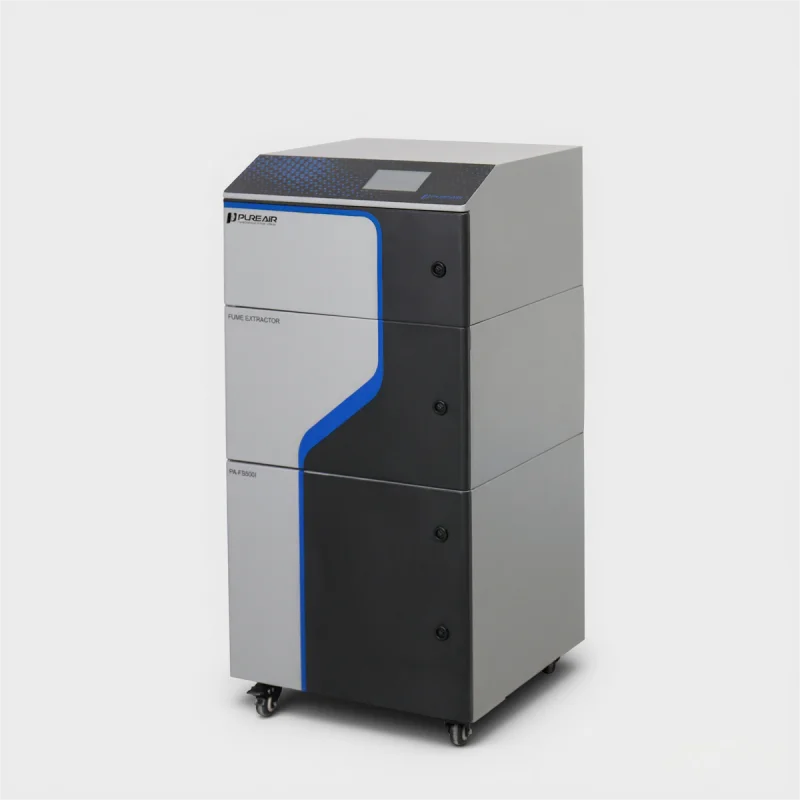
I write as someone who has walked these floors, asked the awkward questions, and tuned machines until they behaved. My aim here is practical — to compare real options, explain why many systems fall short, and point you toward clearer metrics. I will use plain terms like HEPA filter, airflow rate, and activated carbon so you know what to look for. By the end of this piece, you should have a compact set of criteria to evaluate systems and a sensible view of next steps. Let us move on to examine the deeper issues — the flaws that hide in plain sight.
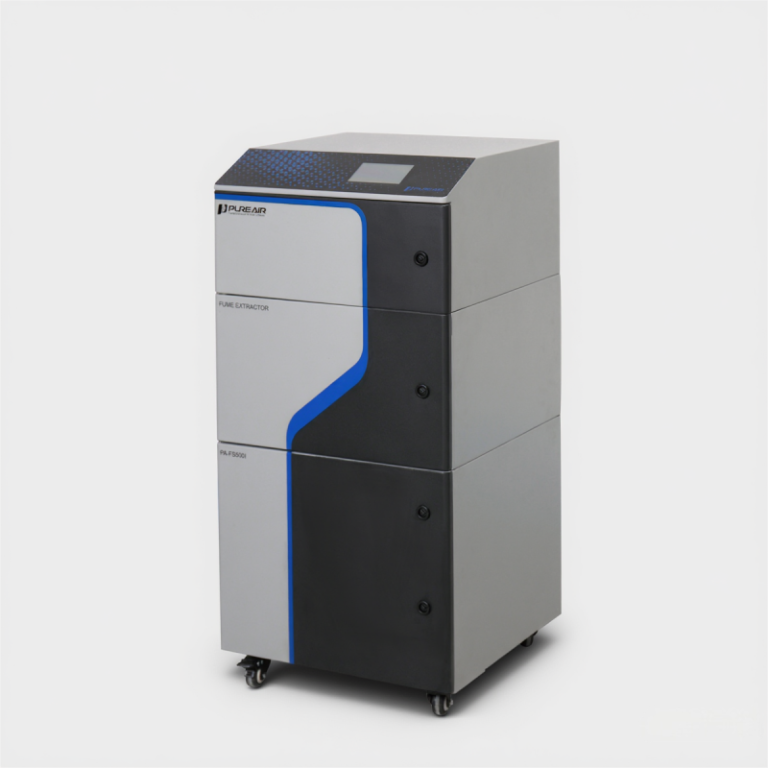
Where Common Systems Fall Short: A Technical Look at Real Flaws
fume collectors often arrive on-site with good intent but with design compromises that show up only after months of use. I have seen units with undersized fans, poor sealing, and filters specified by marketing rather than measurement. The result: low capture efficiency and high maintenance. In technical terms, poor source capture and suboptimal airflow rate lead to turbulent leaks; filtration efficiency falls like a house of cards when pre-filters clog. Look, it’s simpler than you think — if the hood cannot hold the plume, the rest is moot.
What is the main technical failure?
The main failure is mismatch. Manufacturers sell systems by nominal CADR or a filter class; they rarely match hood geometry, ductwork losses, and local process emissions. Poorly sized fans cannot overcome static pressure from long ducts or clogged pre-filters. I’ve measured shops where a rated unit delivered less than half the expected airflow after three months — and that is without considering VOC breakthrough through spent activated carbon. If you are checking spec sheets, insist on real-world numbers: measured airflow at the hood, differential pressure across filters, and VOC sensor logs where applicable. These metrics separate hopeful advertising from dependable performance — funny how that works, right?
New Principles and Practical Steps: What Comes Next
Moving forward, I favour systems designed with systems thinking: source capture first, modular filtration second, and monitoring third. New technology principles emphasize compact source-capture hoods, smarter fans that adjust speed to maintain target airflow rate, and staged filtration combining pre-filters, HEPA, and activated carbon. When I consult, I push for real-time VOC sensors and simple human-readable dashboards — not because I like gadgets, but because data forces action. The modern approach reduces energy use and extends filter life; it also improves worker comfort, which matters to productivity.
What’s Next — real-world impact?
Adopting these principles yields clear advantages. Better designed hoods capture more at the source, reducing airborne load and the strain on downstream filters. Smart fans and pressure sensors warn you before performance drops; automated alerts cut surprise maintenance. In case studies I’ve seen, shops that upgraded to modular, sensor-backed fume collectors halved filter spending over a year and improved measured indoor air quality substantially. This is not magic — it is measured engineering and a bit of discipline.
To choose wisely, weigh three evaluation metrics: 1) Verified hood capture (measured airflow at the source), 2) Filtration staging and replacement cost (HEPA plus carbon life), and 3) Monitoring and maintainability (pressure gauges, VOC sensors, and ease of access). I believe these metrics will help you pick systems that last and protect staff. In short: demand numbers, prefer modularity, and plan for monitoring. For trusted options and support, consider suppliers who back their data with tests — like PURE-AIR.