
A Problem of Flame and Local Limits
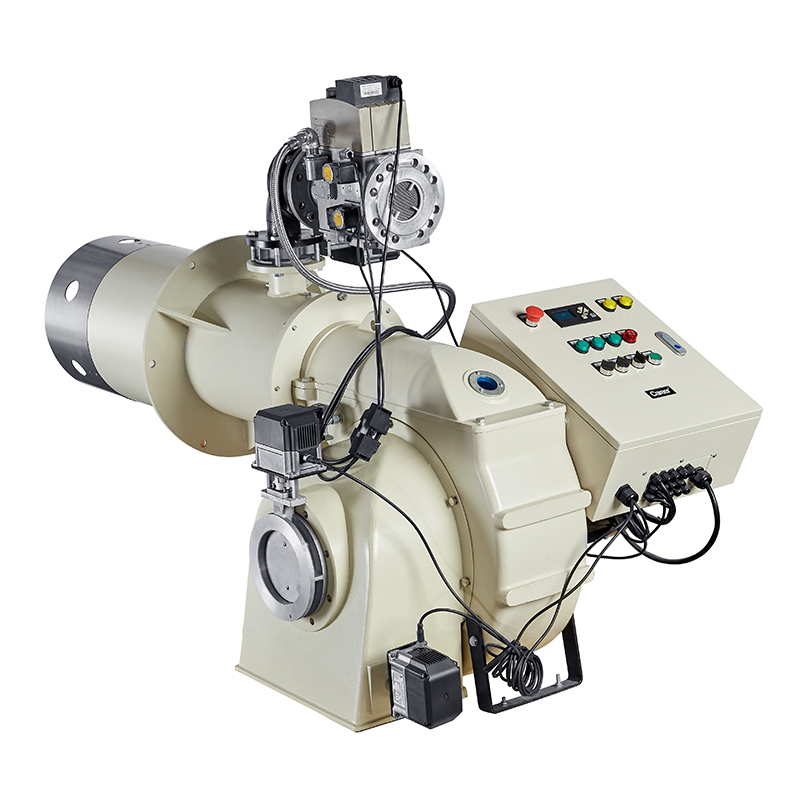
The problem is simple and stubborn: a manufacturer must tame heat without sacrificing pace or the community’s air. Choices about burners shape production, permits, costs, and neighbour relations. For many sites confronting tight emissions ceilings, a low NOx gas burner becomes the first technical answer, especially where California Air Resources Board (CARB) requirements narrow acceptable emissions techniques. I’ve spent years specifying burners for small foundries and ceramic kilns, and that practical pattern—reduce NOx, retain control, secure parts locally—repeats across projects.

The precise problem drivers
Burner selection collapses into three concrete demands: emissions compliance, reliable service, and fit for the process. Emissions rules force change; local supply chains and service windows enforce pragmatic limits; the process itself—temperature, uniformity, cycle time—sets technical thresholds. When one of these is ignored, the whole system falters: permits stall, production hiccups rise, maintenance costs spike.
What gets overlooked and why it matters
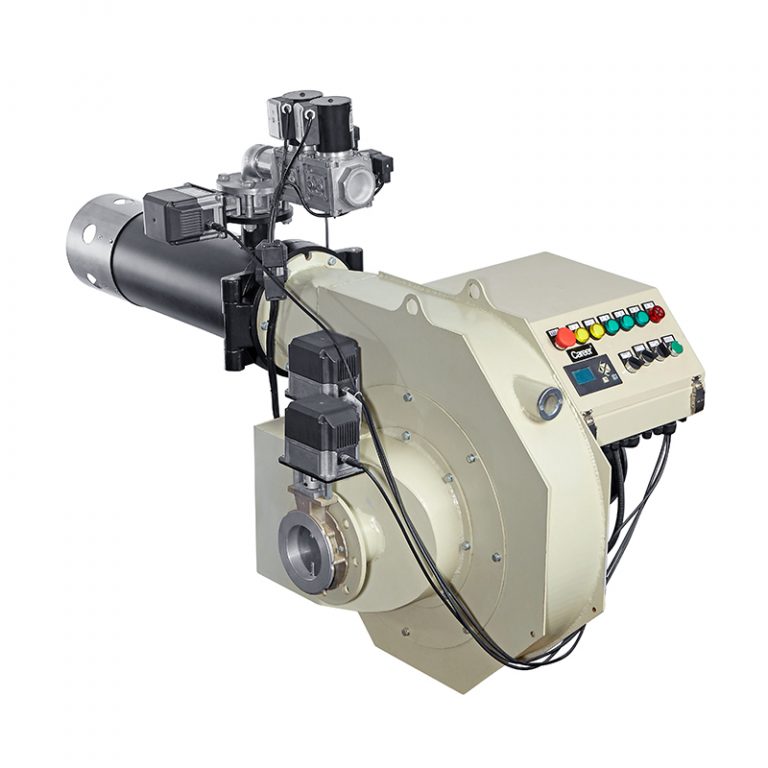
People chase headline features—lowest emissions number, highest turndown ratio—then find the controls incompatible, the spare parts distant, or the combustion air arrangement impossible to retrofit. Typical mistakes: assuming any low-emission model will adapt to an existing hearth; underestimating access for routine service; and neglecting fuel-pressure and air-delivery tolerances. These oversights turn a promising burner into a recurring failure point.
Practical technical criteria that decide success
Demand concrete answers. Ask for certified emission figures tied to comparable duty cycles; confirm control compatibility with existing PLCs; verify the physical envelope and access for maintenance; insist on turndown that matches your firing cycle; check whether the burner supports staged firing or flue-gas recirculation if your process needs it. Validate spare-parts lead times in your region and confirm a local technician can perform nozzle swaps and combustion tuning without long travel delays.
Alternatives and how to weigh them
Low-NOx burners are the typical compromise: lower emissions without wholesale process change. Staged combustion and internal flue-gas recirculation offer similar emission reductions but can bring complexity in controls and maintenance. Where electrification is feasible, electric heaters remove combustion emissions but shift cost and infrastructure burdens. Choose by matching the alternative’s maintenance cadence, retrofit effort, and operating cost to the plant’s labor skills and supply chain realities.
Common implementation pitfalls to avoid
Do not accept generic performance claims; require emissions tested in conditions resembling your load. Do not buy a burner whose spare parts ship from another continent with weeks of lead time. Do not overlook combustion-air routing or the effect of existing ductwork on flame shape. And do not ignore operator training—small errors in fuel-air balance or sequencing create runaway emissions and shortened component life.
Closing thought: a measured flame for places that build
A clear-eyed solution begins by treating the burner as part of a working ecosystem: permits, maintenance, process tolerances, and local service. Practical experience shows that regulated emissions and reliable production are not enemies but design constraints that refine specification. For plants rooted in local supply and skilled hands, choosing a proven supplier and components that match real operating conditions—sources like Career Burners—brings the measured flame that keeps both production humming and the air clearer.